
The Ultimate Guide to Understanding Grid-Tied vs Off-Grid Systems
Share:
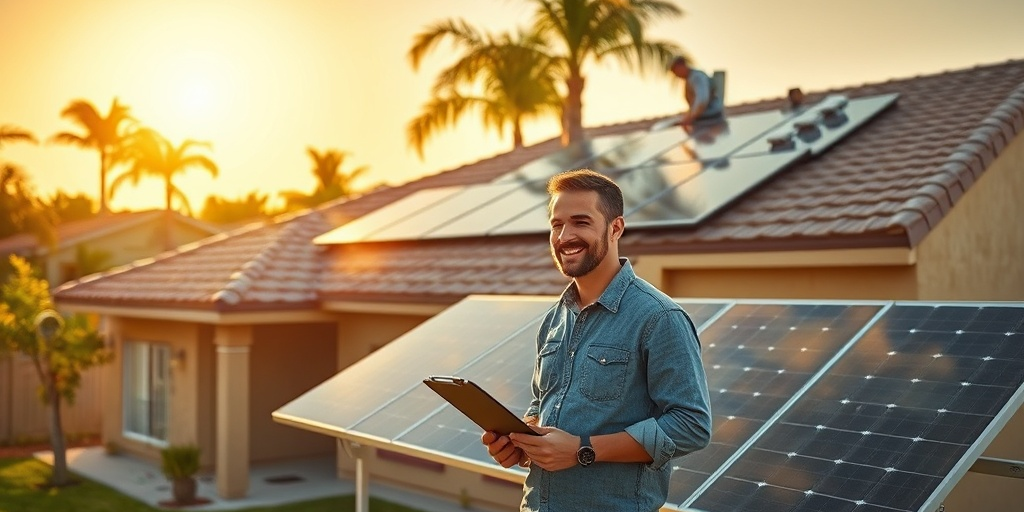
In a world where energy costs are on the rise and climate change remains a pressing global issue, the choice to harness solar energy is not just prudent—it’s paramount. In Florida, the land of sunshine and soaring electricity bills, prospective solar buyers are often torn between two primary options: grid-tied and off-grid systems. Each has its advantages and drawbacks, making the decision a complex one for many homeowners and commercial property owners. Let’s dive into The Ultimate Guide to Understanding Grid-Tied vs Off-Grid Systems, where you’ll learn how these systems work, their financial implications, and the varying operational landscapes of solar energy in Florida. Did you know that data shows residential solar capacity in Florida is expected to exceed 5,000 MW by 2025? Furthermore, incentives for solar installations are increasing in value (SEIA.org). It’s crucial to understand this topic urgently in 2025 as homeowners look for long-term solutions to secure their energy needs while minimizing costs. In this detailed guide, we will explore: the definition and mechanics of grid-tied and off-grid systems, a checklist for selecting the right system for your needs, the common myths surrounding solar energy, a focus on local practices in Florida, and essential technical insights for prospective solar buyers.
Understanding Grid-Tied and Off-Grid Systems: The Basics
To effectively navigate the maze of solar options, it’s critical first to understand what grid-tied and off-grid systems entail. Consider Sarah, a homeowner in Tallahassee, who decided to install solar panels in 2025, seeking an eco-friendly solution and substantial savings on her electricity bill. Sarah opted for a grid-tied system, which allowed her to stay connected to the utility grid while leveraging solar energy. With net metering, she could sell excess power back to the grid, earning credits towards future electric bills. In contrast, her neighbor, Mike, chose an off-grid system to achieve complete energy independence. His choice meant comprehensive autonomy but required a significant investment in battery storage and expensive installation costs.
Case Study: Sarah vs. Mike
As Sarah enjoyed the ease of her grid-tied system, she benefited from lower installation costs and government incentives that made her transition to solar more affordable. She saved nearly 50% on her electric bill, significantly enhancing her financial stability. However, during a hurricane, she lost power when the grid went down, leaving her reliant on backup generators—an inconvenience that couldn’t be ignored.
Meanwhile, Mike reveled in his off-grid setup, which included state-of-the-art battery storage. He relished the freedom of being independent of the utility grid and the security of having power during outages. However, his initial costs were substantially higher, and he constantly monitored his energy consumption to avoid depleting the batteries—challenging for a family of four that loved running multiple devices.
5 Key Factors to Consider When Choosing Between Systems
When contemplating solar energy solutions, consider the following critical factors:
- Energy Needs: Estimate your household’s energy usage. Are you a heavy user, or do you consume power sparsely? This will dictate system size and configuration.
- Budget: Understand your financial situation and what you can afford. Grid-tied systems are generally less expensive to install than off-grid setups.
- Backup Solutions: Consider the reliability of your area’s grid. If you live in a region prone to outages, investing in battery storage may be invaluable.
- Environmental Impact: Evaluate your desire for sustainability. Off-grid systems may seem greener, but their installation footprint needs careful evaluation.
- Available Incentives: Research local and federal incentives. In Florida, programs support homeowners transitioning to solar technology, with many states offering tax breaks and rebates (SEIA.org).
By considering these factors, homeowners like Sarah and Mike can delineate a clearer path to their preferred solar energy solution. With statistics showing that Florida’s solar capacity is expected to heighten in the coming years, now is the time to tap into these opportunities.
Dispelling Common Misconceptions About Solar Energy
Despite the growing popularity of solar technology, several myths and misconceptions can cloud the decision-making of hopeful buyers.
- Myth #1: Solar Panels Don’t Work in Cloudy Weather
Contrary to popular belief, solar panels can still generate power even on overcast days, albeit at reduced efficiency. The technology harnesses any available sunlight, making it viable year-round in sunny Florida. - Myth #2: Off-Grid Systems Are Always Better
While off-grid systems can provide independence from the grid, they often come with higher costs and maintenance responsibilities. Grid-tied systems offer significant financial savings without the need for constant monitoring. - Myth #3: Solar Energy Is Only for the Wealthy
With increasing financing options, tax credits, and financing arrangements, solar energy has become more accessible to a broader demographic, including middle-class homeowners. - Myth #4: Solar Panels Require Constant Cleaning
Most of the time, rain offers an effective cleansing mechanism for dust and debris. In Florida, the occasional rainfall helps maintain panel efficiency, reducing maintenance stress. - Myth #5: Solar Systems Decrease Home Values
Numerous studies show that homes with solar energy systems can sell for significantly more than those without, with buyers willing to pay a premium for energy savings.
By understanding these myths, potential solar buyers in Florida can better navigate their choices and optimize their investment in solar energy. Knowledge is power, and piercing through misconceptions can lead you to a more informed decision.
Florida-Specific Insights for Solar Buyers
The unique climate, regulations, and resources available in Florida make it an intriguing microcosm for solar energy development. With over 260 sunny days per year, Florida is a gold mine for solar power potential.
- Solar Rebate Programs: Various counties and cities in Florida offer solar rebate programs that can help reduce installation costs for homeowners.
- Increased Demand: The growth of solar energy in Florida has resulted in a surge in competition among installers, driving prices down.
- Net Metering: Florida has net metering policies that allow homeowners to sell excess power to the grid, creating a financial incentive for homeowners to invest in solar technology.
- Hurricane Preparedness: Many solar installations come equipped with hurricane-resistant features, making solar not just an eco-friendly choice but a resilient one.
- Advocacy Organizations: Numerous Florida-based organizations work tirelessly to advocate for solar energy policy improvements, ensuring consumers are well-represented in legislative decisions.
A growing body of research suggests that Florida homeowners will increasingly turn to solar as they realize the long-term financial benefits combined with environmental stewardship. As the solar conversation evolves, staying informed with local practices can facilitate smarter investments.
5 Expert Solar Installation Tips for 2025
As you embark on your solar journey in 2025, consider these expert installation tips to ensure a successful transition.
- Choose the Right Installer: Ensure that your installer has a solid reputation, licenses, and customer reviews. A poor installation can compromise your system’s efficiency.
- Don’t Skimp on Panel Placement: Proper orientation and angle can have a significant impact on system performance. Consult with your installer on the optimal positioning for maximum sunlight exposure.
- Evaluate Your Roof’s Condition: Ensure your roof is in good shape before installation. A compromised roof will require repairs, which can complicate your solar setup.
- Consider Battery Storage: Even with a grid-tied system, battery options can offer peace of mind by providing backup capacity during outages.
- Stay Informed on Incentives: Keep abreast of changes in government incentives or utility policies that can influence your investment and savings.
The buying process is dynamic—any opportunity to leverage expert advice will fortify your long-term energy plans. Consider preparing your home for the solar launch by ensuring structural integrity and strategic design thinking.
Your Solar Journey: A Case in Real Life
Imagine the experience of a fictional Florida homeowner, John, who embarked on a solar energy journey. Inspired by rising utility bills and environmental concerns, John researched his options and decided that a grid-tied system was the best fit for his energy needs. He partnered with Florida Electric & Solar, who guided him through the process and installation.
- Assessment and Planning: John underwent an energy usage assessment, realizing he could save 60% of his energy costs with a properly designed system.
- Informed Choices: He asked about different financing options and rebate programs, leading him to utilize a combination of tax credits and local incentives that lessened his upfront costs.
- System Monitoring: John was introduced to monitoring systems that allowed him to track his energy output and identify ways to further reduce consumption.
- Maintenance Commitment: He understood the importance of regular maintenance checks to ensure longevity and efficiency.
This fictional representation of John’s journey illustrates the importance of being involved in the process and proactive about energy management. The experience doesn’t have to be overwhelming when you have the right resources and support available.
Next Steps for Florida Solar Buyers in 2025
Now that you’ve gathered vital information on choosing between grid-tied and off-grid systems, it’s time to take concrete steps toward your solar investment.
- Audit Your Electric Bill: Select a month to analyze your consumption patterns and total costs, which can guide your solar sizing.
- Research Qualification for Incentives: Understand the available federal and state tax credits you may qualify for to ease the financial burden.
- Seek Expert Consultation: Contact a professional installer to evaluate your property and provide tailored recommendations.
- Finalize Financing Options: Explore various financing options that can help you manage your investment efficiently.
- Schedule Installation: Once all factors are in place, schedule your installation and prepare for your transition to solar power!
Through these strategic next steps, homeowners in Florida can position themselves on the path to energy independence and significant cost savings. To explore further, visit floridaelectricandsolar.com for a wealth of resources.
In conclusion, the decision between grid-tied and off-grid systems is essential for Florida homeowners looking to maximize their solar energy investment. By understanding the intricacies of both system types, dispelling common myths, focusing on local factors, and following expert advice, you are empowered to make an informed choice. Remember, transitioning to solar comes with considerable financial and environmental benefits and represents an investment in your family’s future.
Ready to start your solar journey in 2025? Connect with a certified expert at floridaelectricandsolar.com today.
Related Articles
More insights about Grid-Tied Systems

Grid-Tied vs Off-Grid Systems: What You Need to Know

Grid-Tied vs. Off-Grid Systems: The Essential Solar Comparison Guide

Technical Deep-Dive: Understanding Grid-Tied vs Off-Grid Solar Systems
Ready to Go Solar?
Have questions about solar energy? Our experts are here to help you make the switch to clean, renewable energy.