
Grid-Tied vs Off-Grid Systems: A Technical Deep-Dive Guide
Share:
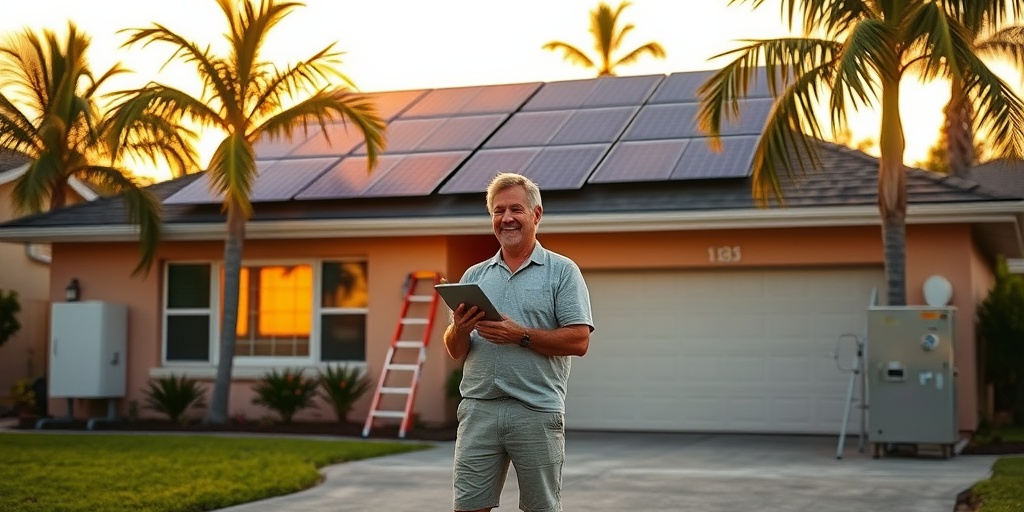
Have you ever felt the pinch from rising energy costs or the helplessness that comes with unexpected power outages? You’re not alone. In fact, a staggering 53% of Florida residents reported concerns over their utility bills, as energy prices continue to rise substantially (Energy.gov). In a state known for its abundant sunshine, the choice to go solar has transformed from a luxury to a necessity for many homeowners and commercial property owners. This necessity brings us to the heart of our discussion: “Grid-Tied vs Off-Grid Systems: A Technical Deep-Dive Guide.” In 2025, the dynamics of solar energy are rapidly evolving, with new solar incentives and the threat of grid instability urging more Floridians to consider which system might best fit their needs. In this guide, we will explore five essential areas: the emotional and ethical case for solar energy, a detailed checklist to help you make informed decisions, myth-busting surrounding common misconceptions, best practices specifically for Florida residents, and actionable next steps for your solar journey.
Understanding the Spectrum of Solar Systems: Grid-Tied vs Off-Grid
Let’s take a closer look at the two fundamental types of solar systems: grid-tied and off-grid. Picture this: a young Florida couple, Sara and Tom, recently bought a home in Orlando. Like many others, they wished to reduce their dependence on the grid for energy. However, their exploration led them down two different paths—Sara chose a grid-tied system, while Tom decided to go off-grid.
- Grid-Tied Systems: These systems are connected directly to the local utility grid. This means they can draw from and input energy into the grid, providing a seamless flow of energy while enhancing the home’s value. In 2023, approximately 90% of new solar installations in Florida were grid-tied systems (SEIA.org).
- Off-Grid Systems: On the other hand, off-grid systems operate independently of the utility grid. They often require larger battery storage solutions, allowing users to harness and use solar energy even when the sun isn’t shining. This choice can be both liberating and costly, with Florida averages showing setup investments reaching upwards of $40,000 (SolarReviews.com).
Sara’s grid-tied installation costs were lower upfront, and she could enjoy immediate savings on her electric bill, which was a surprising 40% reduction according to initial projections. Whereas, Tom faced hefty costs for battery storage and backup systems but was fueled by the desire for complete energy independence. His view was that going off-grid also meant being shielded from potential future energy price spikes, a sentiment echoed by many Florida solar advocates.
This case study exemplifies critical decisions Florida homeowners will make when choosing their solar system. Thankfully, understanding the technical differences can help demystify the process and guide you towards the best solution suited for your specific needs.
Your Solar Installation Checklist: Ensuring the Right Fit
Embracing solar energy is a monumental step towards sustainability, but knowing where to start can feel overwhelming. Here’s a precise checklist to guide you through the grid-tied vs. off-grid decision-making process:
- Step 1: Assess Your Energy Needs: Begin by auditing your electricity usage. Knowing your average monthly bill and power requirements helps you determine which system is more efficient for you.
- Step 2: Evaluate Current Infrastructure: Check whether your home is suitable for solar panel installation. Look for ample roof space and a structure that meets weight and design requirements.
- Step 3: Identify Location-Specific Laws and Incentives: Florida offers various rebates and tax incentives that can significantly reduce your solar costs. Review these options on the floridaelectricandsolar.com website to understand how much you can save.
- Step 4: Consult a Trusted Solar Installer: Engage local experts to understand which system aligns best with your goals. Consulting with a trusted solar expert will clarify technical terms and help navigate your specific conditions.
- Step 5: Calculate Return on Investment (ROI): Analyze your expected savings on energy bills versus the total installation and maintenance costs. A good solar ROI is typically seen within six to eight years.
This checklist can streamline your decision-making process and keep you focused on your energy goals. By carefully assessing your needs, you can avoid potential pitfalls and maximize the benefits of going solar in the sunny state of Florida.
Busting Myths: What You Need to Know About Solar Systems
A common misconception about solar energy can often lead to hesitation among Florida homeowners. Let’s tackle some of these myths head-on:
- Myth #1: Solar is only for sunny states like Florida. While Florida boasts abundant sunlight, even cloudy days can generate energy. Many systems are designed to perform well in varied conditions (Energy.gov).
- Myth #2: Solar panels are too expensive and not worth the investment. On the contrary, federal tax credits and state incentives greatly reduce the upfront costs and often lead to savings that dwarf your initial investment over time.
- Myth #3: I can’t go solar because I live in a shaded area. There are solutions for partially shaded homes, including panel positioning and tree trimming. Many Floridians are shocked to discover their homes can still benefit from solar energy (SolarReviews.com).
- Myth #4: Off-grid is always the best choice for independence. While off-grid systems provide some autonomy, they require more maintenance and higher initial costs. For many, a grid-tied system offers a balanced approach between independence and reliability.
- Myth #5: Solar installations are only beneficial in the long-term. In reality, many homeowners start saving on their energy bills right after installation, making solar an immediate benefit for financial and environmental goals.
By dismantling these myths, we encourage Floridians to embrace the solar revolution without fear or misconceptions. The reality is much less daunting, and the benefits are plentiful.
Best Practices for Solar Installation in 2025
Ready to dive deeper into the realm of solar installation? Here are five expert tips to ensure your project is a success:
- Choose the Right Installer: Not all solar installers are created equal. Always check for credentials, years of experience, and customer reviews. A reputable installer will help illuminate the best options for grid-tied versus off-grid systems.
- Understand Battery Technology: If considering off-grid options, get acquainted with battery technology. Lithium-ion batteries are popular today for their efficiency, weight, and longevity compared to traditional lead-acid batteries.
- Don’t Skimp on Panel Quality: Prioritize high-efficiency panels that come with warranties to ensure maximum performance over time. Look for top-tier manufacturers recognized in the industry, as their panels often outperform lesser options.
- Plan for Maintenance: Maintenance is essential in prolonging your system’s lifespan. Schedule regular inspections and cleanings of your panels and performance monitors, especially in Florida’s humid and storm-prone climate.
- Stay Informed on Policies: Energy policies change frequently. Keep up-to-date with local regulations and incentives to ensure compliance and maximize your benefits.
Embracing these practices can significantly impact your solar journey and optimize your overall experience as a solar owner in Florida.
A Florida Homeowner’s Solar Journey: An Emotional Drive
Imagine Lisa, a retired schoolteacher living in St. Petersburg, who has always been environmentally conscious. Lisa decided in early 2024 that going solar was her next act of sustainability. Initially, she gravitated towards the grid-tied system for its attractive savings and incentives available under Florida’s solar policy. However, as she considered options, the allure of energy independence through an off-grid system beckoned.
- Research: Lisa diligently researched both options, weighing energy reliability against the freedom of creating her own power.
- Community Engagement: She reached out to neighbors, forming a small community group where they shared experiences and discussed their solar decisions.
- Installation Day: On the day of installation, Lisa felt an overwhelming sense of pride. Six men working on her home represented an investment in her future, family, and planet.
- Year Two: By her second year, Lisa’s anticipation transformed into accolades for her decision as her relationship with the utility company changed from dependence to mere supportive energy.
Lisa’s journey is symbolic of many Florida residents who are making the transition to solar energy—each motivated by personal values and economic benefits. According to a study conducted in 2023, residents who switched to solar reported an average 50% decrease in their energy bills, with many achieving full cost recovery within a decade (DSIREUSA.org).
Next Steps for Florida Solar Buyers in 2025
As you stand poised to make a decision on your solar energy path, it’s vital to have a clear action plan for your next steps:
- Step 1: Audit Your Electric Bill: Start by gathering your utility bills for the past year to understand your consumption patterns.
- Step 2: Schedule a Consultation: Meet with a certified solar expert to discuss optimal system choices tailored to your energy use.
- Step 3: Compare Quotes: Don’t accept the first offer. Gather multiple quotes, comparing services and warranties before making a decision.
- Step 4: Review Financing Options: Whether through loans, leases, or cash purchases, ensure you understand all your financial options available, including any potential savings on taxes.
- Step 5: Plan for Future Expansion: Consider choosing a system that can accommodate future additions, like battery storage or electric vehicle charging, making your home even more energy-efficient and sustainable.
Your journey does not end here; these steps are designed to assure a seamless transition to solar energy. Each step forward is a step towards sustainability and independence, often leading to lower utility expenses and increased home value.
Conclusion: The Time for Action is Now
In conclusion, the decision between grid-tied and off-grid solar systems is a nuanced one—one that can greatly affect your finances and lifestyle. By understanding these essential differences and engaging in thorough research, you can make an informed choice that aligns with your values and goals. As demonstrated through real stories like Lisa’s, this decision extends beyond mere monetary savings; it encompasses a lifestyle filled with purpose, pride, and respect for the environment. The urgency is real in 2025—cost-effective solar technology is more accessible than ever, and each passing day of hesitation is a lost opportunity to save money and safeguard your future. Ready to start your solar journey in 2025? Connect with a certified expert at floridaelectricandsolar.com today.
Related Articles
More insights about Grid-Tied Systems

Grid-Tied vs Off-Grid Systems: What You Need to Know

Grid-Tied vs. Off-Grid Systems: The Essential Solar Comparison Guide

Technical Deep-Dive: Understanding Grid-Tied vs Off-Grid Solar Systems
Ready to Go Solar?
Have questions about solar energy? Our experts are here to help you make the switch to clean, renewable energy.