
What Gulf Coast Homeowners Need to Know About Solar Panel Installation
Share:
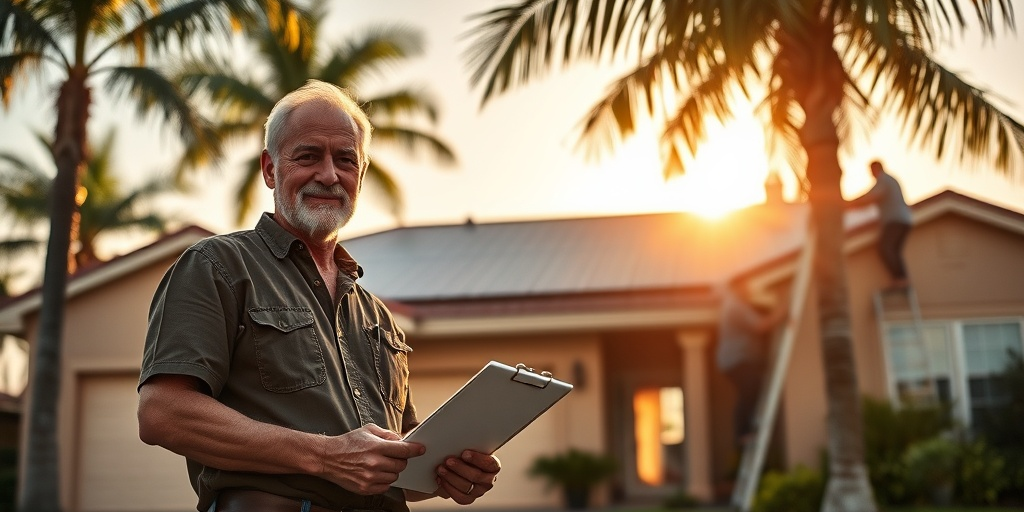
Picture this: It’s a scorching July afternoon in Florida as the sweltering sun bears down relentlessly, and homeowners all across the Gulf Coast are watching their energy bills skyrocket. Did you know that according to recent statistics, Florida is among the top states for residential solar installations, ranking fourth in the nation? In fact, in 2022 alone, Florida saw over 135,000 new solar installations (SEIA.org). With this impressive growth, it’s no surprise that many Gulf Coast homeowners are considering the transformative power of solar panel installation. If you’re one of them, you’ve come to the right place. In this guide, titled What Gulf Coast Homeowners Need to Know About Solar Panel Installation, we will unveil crucial insights on maximizing your savings with local incentives while confronting this growing trend head-on. Urgent change is on the horizon in 2025—rising energy costs, ambitious statewide solar initiatives, and infrastructure changes make this the perfect time for you to explore solar energy. Over the next sections, you will discover a compelling case study that illustrates the solar journey, a comprehensive checklist for installation, a myth-busting segment that addresses common misconceptions, insightful best practices to ensure a smooth transition, and an actionable plan for those ready to adopt solar energy without hassle.
Understanding the Solar Landscape for Gulf Coast Homeowners
Take, for example, the story of the Reynolds family, proud homeowners in Sarasota. Like many families, they struggled with high electric bills, which became increasingly burdensome during the peak summer months. After conducting research, they realized that Tampa Bay Solar, a local installer, provided an attractive financing package coupled with state incentives. Eager to maximize their savings, they finally decided to make the leap into solar. This case study clearly represents a growing sentiment throughout the state, where homeowners are becoming more aware of their energy consumption patterns (Energy.gov).
- Step 1: Evaluate Your Current Energy Costs: Understanding your energy bills is crucial for determining how much you would save with solar panels.
- Step 2: Research Local Incentives: Take advantage of Florida’s net metering policy and state rebate programs to maximize savings.
- Step 3: Choose the Right Installer: Quality installation ensures proper setup and financing options.
- Step 4: Plan Your Solar Energy System: Decide on the right systems such as battery storage and inverter types that suit your needs.
- Step 5: Monitor Your Performance: Post-installation, keep an eye on your solar production to ensure your system operates at its best.
Though the prospect may seem intimidating, there are several misconceptions that can cloud your understanding. Let’s debunk these myths to clarify the reality of solar energy in Florida.
Debunking Common Myths Surrounding Solar Power
While the idea of switching to solar often stirs excitement, it can also evoke skepticism. Let’s break down some prevalent myths surrounding solar panel installation:
Myth #1: Solar Panels Don’t Work in Cloudy Weather
Many believe that solar panels fail to generate energy on overcast days. In truth, solar panels can still operate efficiently with diffuse sunlight—utilizing both direct and indirect sunlight to produce power, making them viable for Florida’s variable weather.
Myth #2: Solar Is Too Expensive
Implementing solar energy has become significantly more affordable due to advancements in technology and supportive financial incentives. Floridians can also use a range of financing options, reducing the financial barrier considerably.
Myth #3: I Need to Replace My Roof Before Installing Solar Panels
While a structurally sound roof is essential, you don’t necessarily have to replace it before going solar. Some reputable installers offer warranties that cover equipment and installation, allowing homeowners to transition without the dread of major renovations.
Myth #4: Once Installed, Solar Panels Require Constant Maintenance
Beyond the occasional cleaning, which is easily manageable, solar panels require minimal maintenance. Manufacturers typically offer warranties for 20 to 25 years, assuring longevity and durability.
Myth #5: Solar Power Is Just a Fad
On the contrary, as evidenced by data from the National Renewable Energy Laboratory, Florida’s solar market continues to expand year after year, signaling a sustainable trend backed by local and federal initiatives.
By dispelling these myths, you can recognize the true potential of solar energy. Now, let’s delve into Florida-specific advantages that make solar power a sound investment for many homeowners.
Never Miss Out on Local Incentives!
Florida offers numerous incentives designed to make solar energy more accessible to homeowners. In addition to a robust net metering policy that allows homeowners to sell surplus energy back to the grid, many local utility companies also provide rebates for solar installations. Furthermore, the federal solar tax credit allows homeowners to deduct 26% of the cost of their solar system from their federal taxes (SEIA.org). To maximize savings, here are a few local incentives and programs:
- Net Metering: A state policy ensuring that you receive credit for excess energy you generate.
- Solar Rebate Programs: Every county in Florida offers rebates or financing for solar installations.
- Federal Solar Tax Credit: A nationwide initiative reducing installation costs significantly.
- Property Tax Exemptions: Solar installations are exempted from property tax increases in many municipalities.
- Local Utility Company Rebates: Utility companies often recognize and encourage solar energy implementation with their own rebates.
By leveraging these advantages, Gulf Coast homeowners can significantly offset initial installation costs. For more comprehensive information, you can visit floridaelectricandsolar.com.
5 Expert Solar Installation Tips for 2025
Transitioning to solar can become a seamless experience with a few expert tips. Adopting best practices ensures optimal efficiency and performance of your solar panel system:
1. Don’t Skimp on Panel Placement
Proper placement maximizes sunlight exposure throughout the day. Consult with your installation team about the best angles and positions to capture sunlight effectively.
2. Invest in Quality Equipment
Always choose high-efficiency panels and inverters from reputable brands. The upfront cost pays off in the long run through increased energy output and longevity.
3. Explore Battery Storage
Battery storage systems allow you to harness excess energy for later use, ensuring you have power even during outages. It’s an advantage that is becoming a staple in smart homes.
4. Monitor Your System Regularly
Installation doesn’t end the relationship with your solar system. Regular monitoring of system performance guarantees that it remains efficient and effective over the years.
5. Work with Qualified Installers
Always opt for licensed installers with experience in your region. This ensures familiarity with local codes, weather conditions, and effective installation techniques.
As you consider these best practices, you are well on your way to becoming part of the solar energy revolution in Florida.
A Homeowner’s Journey to Solar Energy Adoption
Meet Sarah, a single mother living in Destin. Before going solar, high energy bills posed a challenge as she tried to support her two children. One day, while discussing financial responsibilities with a neighbor, she learned how solar energy could reduce her bills drastically. Intrigued, Sarah decided to explore her options after gathering insightful information on local incentives. After reaching out to several installers, she made an informed decision and selected Sunshine State Solar to execute her solar installation.
- Step 1: Sarah evaluated her energy consumption and assessed her electric bill over the past year.
- Step 2: She researched available solar incentives and discovered she could save more than 50% on initial costs.
- Step 3: Sarah gained multiple quotes, research testimonials, and finally settled on an installer recognized for high-quality service.
- Step 4: Following the installation, she secured a home battery system, ensuring reliability despite Florida’s unpredictable storms.
Fast forward three months, and Sarah finds herself pleasantly surprised with a lowered monthly electric bill. Her newfound savings allowed her to invest in family necessities while also contributing to a greener environment—resulting in peace of mind. This personal story encapsulates a typical homeowner’s journey and demonstrates the growing possibilities for those considering solar energy.
Next Steps for Florida Solar Buyers in 2025
Are you ready to join the wave of homeowners making the switch to solar? Here’s your actionable plan:
Step 1: Audit Your Electric Bill
Carefully review your current energy use to evaluate potential savings with solar. Front-load this research to inform your decision-making process.
Step 2: Research State Incentives
Identify the different solar incentives at your disposal to maximize benefits. Understanding the landscape can help you plan financially.
Step 3: Select a Reliable Installer
Prioritize qualifications and experience when it comes to potential installers for your solar panel system. Researching their reputation will save you future headaches.
Step 4: Choose Your Solar System
Debate between purchasing or leasing your solar panels based on your financial goals. Evaluate options with local financial institutions if you need assistance.
Step 5: Monitor Performance
After your system is up and running, keep an eye on its performance to assure optimal web connectivity and energy production. Invest in a monitoring app if necessary.
With these steps in mind, you can reduce friction and ensure a brighter energy future for your home. For more information, explore floridaelectricandsolar.com.
In conclusion, this guide on What Gulf Coast Homeowners Need to Know About Solar Panel Installation has illuminated the pathway to a sustainable energy future. As the urgency surrounding rising energy costs intensifies, Florida homeowners can leverage solar energy to cut bills, contribute to environmental conservation, and influence positive change in their communities. Remember, the rewards of going solar extend beyond immediate savings. They usher in a chance to embrace energy independence for both yourself and future generations. Make your move today to become part of the growing solar community in Florida! Ready to start your solar journey in 2025? Connect with a certified expert at floridaelectricandsolar.com today.
Related Articles
More insights about Solar Panel

Florida Homeowners: Why Solar Panel Maintenance Is Essential

7 Essential Steps for Solar Panel Installation Success

Expert Insights: Key Factors Influencing Solar Panel Lifespan
Ready to Go Solar?
Have questions about solar energy? Our experts are here to help you make the switch to clean, renewable energy.