
Why Gulf Coast Homeowners Should Consider Solar Panel Maintenance
Share:
“`html
As a Gulf Coast homeowner, imagine a world where your energy bills not only decrease but where you also contribute positively to the environment. Did you know that solar energy can lead to substantial savings—averaging around $1,500 annually—while also increasing your property’s value by approximately 4%? The question is: how can you ensure these benefits continue long-term? This brings us to the focus of our discussion today: Why Gulf Coast Homeowners Should Consider Solar Panel Maintenance. Proper maintenance is not just crucial for optimal performance and longevity, but it also protects your investment and maximizes your solar savings! As we approach 2025, it’s important to understand the significance of maintaining your solar energy systems amidst rising energy costs, increasing solar incentives, and the need for grid stability. In this article, we will explore: 1) the importance of solar panel maintenance through a captivating case study; 2) a handy maintenance checklist; 3) common myths about solar maintenance that need debunking; 4) the local benefits for Florida homeowners; and 5) an in-depth technical analysis of the solar systems themselves.
Understanding the Importance of Solar Panel Maintenance
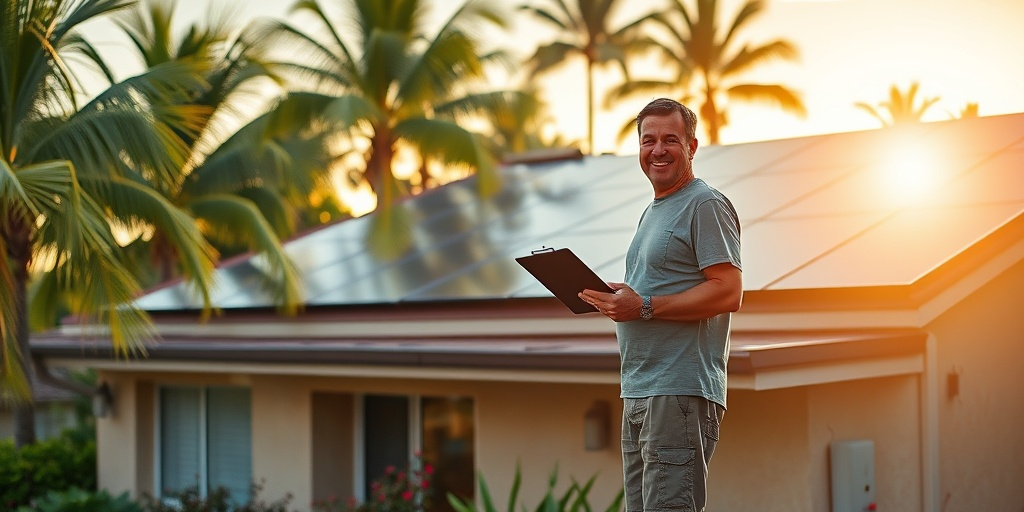
Picture Maria, a Gulf Coast homeowner, who proudly invested in solar panels to harness the abundant Florida sun. Initially thrilled by the reduction in her electric bill, she suddenly noticed an unexpected surge in her monthly costs. Unsure of what went wrong, Maria contacted her solar provider. The technician discovered that several panels had accumulated dirt and debris, significantly impacting their efficiency. This case highlights the necessity of regular solar panel maintenance, which is crucial not only for the optimal performance of your home solar system but also for its longevity.
Timing is critical: Florida’s coastal environment, while perfect for solar energy, presents unique challenges, such as high humidity and salt exposure, which accelerate wear and tear. As reported, solar panels can become less efficient and produce 20% less energy when they are not properly maintained (SolarReviews.com). With the state pushing for a 50% reduction in carbon emissions by 2030, ensuring your solar system operates at peak efficiency should be a top priority for all Gulf Coast homeowners.
Let’s explore the importance of consistent maintenance with a structured approach featuring actionable steps to help keep your systems working like new throughout their lifespan.
Essential Solar Panel Maintenance Checklist for Gulf Coast Homeowners
Step 1: Schedule Regular Inspections
It’s essential to have your solar panels inspected at least once a year. Look for signs of wear and tear from Florida’s weather, including corrosion or discoloration. Known to have over 270 sunny days a year, Florida can be tough on solar installations.
Step 2: Clean Your Panels
Keeping panels clean can lead to a 20% increase in efficiency. Use a soft, non-abrasive sponge with water—never use harsh chemicals, as they can damage the panel surface. To save time and effort, hiring a professional cleaning service is a viable option. Many Florida solar maintenance companies are available, and their services pay for themselves through increased energy production.
Step 3: Monitor Performance Regularly
Keep an eye on your energy production through your monitoring software. If you see a drop in energy output, it might indicate a need for cleaning or professional inspection.
Step 4: Check Inverter Performance
Your inverter converts solar power into electricity that your home uses. Ensure it is functioning correctly by checking for the green light indicator. If it’s off or showing an error message, contact your installer for assistance.
Step 5: Review Your Warranties and Insurance Policies
Regularly reviewing your solar equipment warranties and insurance policies can help protect you from unexpected repair costs. Florida homeowners benefit from the state’s solar policies that provide warranty protection (DSIREUSA.org).
This checklist serves as a practical guide to ensuring your solar panels remain efficient and durable for years to come. A routine maintenance plan not only prolongs the lifespan of your investment but also guarantees continual savings on your energy bills.
Debunking Common Myths About Solar Panel Maintenance
Myth #1: Solar Panels Are Maintenance-Free
One of the biggest misconceptions is that solar panels don’t require any maintenance. While they have no moving parts, external factors like dust, debris, and weather conditions can significantly affect their performance.
Myth #2: Cleaning Solar Panels Wastes Water
Many homeowners believe cleaning panels wastes water, but the reality is that regular cleaning reduces the amount of energy lost due to dirt accumulation, ultimately creating a net-positive impact on water usage compared to higher energy bills.
Myth #3: It’s Fine to Ignore Warranty Care Requirements
Some believe that solar system warranties don’t require specific maintenance. However, many manufacturers stipulate maintenance guidelines to uphold warranty validity. Failing to comply might void your coverage.
Myth #4: Professional Maintenance Is Unnecessary
While you can perform basic maintenance, more complex issues may require a professional’s expertise. Given the financial stakes involved, investing in professional maintenance can save you money in the long run.
Myth #5: Solar Panels Only Need Maintenance in the Winter
Florida’s seasonal weather conditions, such as rain or hurricane threats, necessitate year-round checks. Regular inspections and cleanings throughout the year are essential to keep your system running at peak performance.
Understanding these myths enables Florida homeowners to approach solar maintenance with greater efficacy, ensuring they protect their investments and achieve the intended benefits of solar power.
The Local Benefits of Solar Maintenance for Florida Homeowners
Florida’s unique geographical and climatic conditions significantly influence how solar energy systems can perform over time. As outlined by the Florida Solar Energy Center, Florida ranks third nationally in solar installed capacity, making it a leader in renewable energy (Energy.gov). Given this, maintaining solar energy systems is not just a personal affair; it reflects a broader commitment to sustainability.
- Cost Savings: Regular maintenance can enhance energy production, leading to lower electricity bills. Floridians could save an average of $1,500 per year, contributing to overall family budgets.
- Increasing Property Value: Homes equipped with well-maintained solar installations have been reported to see an increase in property value by up to 4%. Investing in maintenance can lead to lucrative returns when it comes time to sell your home.
- Environmental Impact: With evidence suggesting that solar energy could meet nearly 40% of Florida’s electricity demands by 2030, properly maintained systems can contribute significantly to reducing carbon footprints.
- Enhancing Grid Stability: Consistent maintenance of solar systems can help stabilize the grid during peak use times, reducing dependence on traditional power sources and enhancing energy independence.
By proactively managing your solar energy systems, you not only enhance your own savings and property value but also you contribute to a brighter, more sustainable Florida.
Understanding Your Solar Energy System: A Technical Deep Dive
To fully appreciate the importance of solar panel maintenance, it’s essential to understand how solar energy systems function. At their core, solar energy systems consist of solar panels, inverters, batteries, and the broader energy grid connection. Each component must work in perfect harmony for optimal performance.
- Solar Panels: The heart of your solar system, panels capture sunlight and convert it into direct current (DC) electricity. Maintenance ensures they remain clean and free from debris to maximize absorption.
- Inverters: They convert DC to alternating current (AC), the form of energy used in homes. Regular checks of inverter function can prevent unexpected downtimes and energy losses.
- Batteries: Storing energy for future use is essential, especially in a hurricane-prone state like Florida. Battery maintenance includes checking charge levels and connections to ensure they operate at peak efficiency.
- Grid Connection: A critical element for any solar system, maintaining proper connection with the utility grid can impact energy flow and billing. Understanding how to navigate this with regular maintenance can assure seamless energy usage.
With more than 100,000 solar installations in Florida, knowledge about how each of these components work and the importance of their maintenance cannot be overstressed (SEIA.org). Each element of your solar system functions interdependently; neglecting one can lead to cascading failures affecting your overall energy generation.
Next Steps for Florida Solar Buyers in 2025
Step 1: Assess Your Current Solar System
Conduct a thorough evaluation of your current solar system. Check its political and environmental compatibility under Florida’s regulations. Ensure everything is functioning well, addressing any immediate concerns.
Step 2: Schedule an Annual Maintenance Appointment
Research local services that specialize in solar maintenance tailored for Florida’s unique conditions. This initial step can lead to substantial long-term cost savings.
Step 3: Update Your Insurance Policies
Ensure your insurance covers potential damages to your solar panels, especially with the risks imposed by Florida weather. Speak to your insurance provider about any necessary updates.
Step 4: Educate Yourself on New Technologies
Stay informed about new technologies in the solar industry that could improve efficiency or energy storage systems. Consider investing in upgrading parts of your solar system for enhanced performance.
Step 5: Engage with Local Solar Communities
Engage in local solar energy communities to learn more and share experiences with other Gulf Coast homeowners. These networks can provide insights into best practices, discounts, or service recommendations.
By following these steps, Florida homeowners not only invest in their personal financial futures but contribute positively to the renewable energy landscape of Florida.
As we conclude, we’ve explored the significant aspects of maintaining your solar system as a Gulf Coast homeowner. Emphasizing the importance of upkeep clarifies that solar energy is a robust investment that requires dedication for optimum performance. With emerging technologies and state initiatives facilitating solar energy, maintaining your solar system has never been more critical. Act now to reduce your energy costs, enhance your property’s value, and play a role in a more sustainable future for Florida. Ready to start your solar journey in 2025? Connect with a certified expert at floridaelectricandsolar.com today.
“`
Related Articles
More insights about Solar Panel

Florida Homeowners: Why Solar Panel Maintenance Is Essential

7 Essential Steps for Solar Panel Installation Success

Expert Insights: Key Factors Influencing Solar Panel Lifespan
Ready to Go Solar?
Have questions about solar energy? Our experts are here to help you make the switch to clean, renewable energy.