
Why Gulf Coast Homeowners Need to Understand Solar Panel Lifespan
Share:
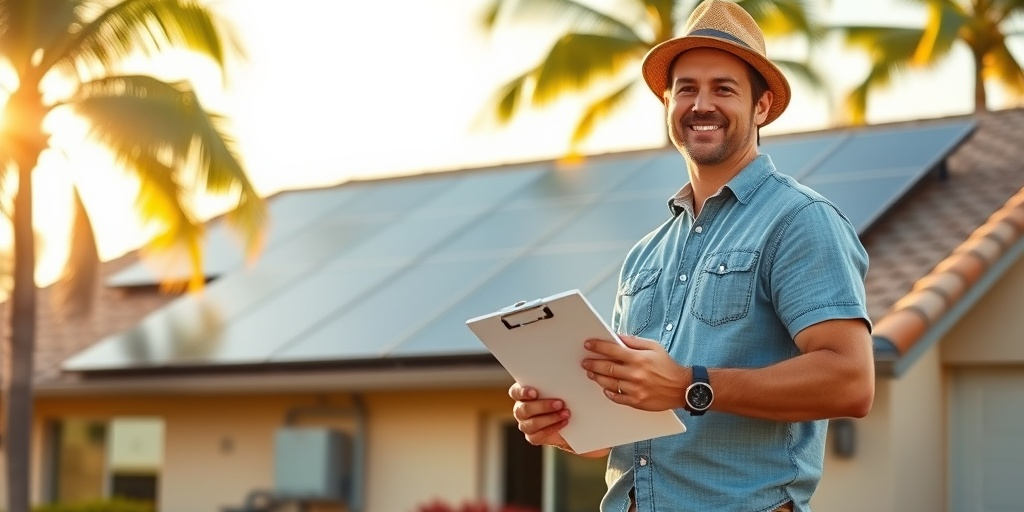
Imagine watching your energy bills consistently rise, month after month, while knowing you could take control of your energy production. In Florida, a state blessed with abundant sunshine, more homeowners are considering solar energy solutions than ever before. However, many are still unaware of one crucial aspect of their investment: the lifespan of solar panels. In this article, titled Why Gulf Coast Homeowners Need to Understand Solar Panel Lifespan, we delve into key insights that will empower you as a Gulf Coast homeowner to maximize your investment. Statistics show that solar panel prices have dropped by 82% since 2010, yet many consumers remain uncertain about how long these panels will last and how best to maintain them (SEIA.org). Additionally, Florida’s solar capacity is expected to increase significantly in the coming years, pushing homeowners to better educate themselves for fiscal responsibility. Understanding solar panel lifespan is urgent, especially with incentives and rebates available in 2025, making now the optimal time to invest in solar. But fear not, as we’ll guide you through this journey with five comprehensive sections: a deep dive into solar panel lifespan, a checklist for homeowners, common myths debunked, local factors affecting your decision, and a technical exploration of the industry.
Uncovering the Lifespan of Solar Panels for Gulf Coast Homeowners
Understanding how long your solar panels will function at peak performance is vital for making an informed investment. Anna and Mike, a couple from Escambia County, made the switch to solar energy five years ago. Initially excited by the prospect of cutting their electric bills by at least 50%, they quickly realized that prolonged performance hinges on several factors. Regular maintenance, system type, and the environmental factors unique to Florida all play a significant role in determining solar panel longevity.
- Regular maintenance is key: Like any home improvement, solar panels require upkeep. Cleaning them periodically and ensuring no debris obstructs them can significantly impact efficiency.
- Types of solar systems: Different solar panel types have varying lifespans. Monocrystalline panels, for instance, often last longer than polycrystalline counterparts.
- Environmental factors: Florida’s weather, including storms and heavy winds, can affect solar panel durability. Knowing how to prepare for and respond to these challenges is critical.
According to a report from the National Renewable Energy Laboratory, the average lifespan of solar panels is between 25–30 years, with many manufacturers providing warranties lasting 25 years (NREL.gov). However, the actual performance may diminish over time, with efficiency loss often seen in modules due to wear and tear from environmental exposure.
In terms of return on investment, savvy homeowners understand how to calculate the payback period based on the lifespan of their systems. Typically, systems that can efficiently produce energy well into their lifespan can result in substantial savings, all while benefiting the environment.
To help navigate these considerations, let’s review some essential steps and factors that Gulf Coast homeowners need to evaluate regarding solar panel longevity.
Five Practical Steps for Maximizing Your Solar Investment
Your decision to invest in solar energy is a positive one, and there are practical steps you can take to maximize your investment. Here’s a checklist that can guide Florida homeowners towards making the most out of their solar panels.
- Step 1: Conduct a Solar Audit – Taking a close look at your home’s energy usage will help determine your system size. Knowing how much energy you use will influence the size and capabilities of your solar system.
- Step 2: Research Different Panel Types – Understand the differences between panel types, such as monocrystalline and polycrystalline. Each type offers varying levels of efficiency and lifespan.
- Step 3: Hire Certified Installers – Choose experienced, certified solar installers from your local area. Quality installation can enhance the lifespan and overall performance of your panels.
- Step 4: Schedule Regular Maintenance – Just as your car requires periodic check-ups, so do your solar panels. Ensure there’s a maintenance schedule in place.
- Step 5: Monitor Performance Regularly – Use apps and monitoring devices to keep tabs on how well your solar panels are performing, which will alert you if something needs attention.
By adhering to this checklist, Florida homeowners can ensure they maximize both efficiency and longevity, thus taking full advantage of the expected solar boom in 2025 and beyond. To delve deeper into the solar journey and learn more about the panels best suited for your needs, visit floridaelectricandsolar.com.
Debunking Common Solar Panel Myths
Misinformation can deter many homeowners from making the leap to solar energy. To help you navigate the complexities surrounding solar energy, here are some common myths debunked.
- Myth #1: Solar Panels Are Too Expensive – While the initial investment can seem daunting, government incentives and rebates significantly reduce costs. The long-term savings on electric bills make solar a financially smart decision.
- Myth #2: Solar Panels Require Constant Maintenance – Aside from occasional cleaning, solar panels are designed to be low-maintenance. Most reputable manufacturers offer warranties, which often cover most maintenance provisions.
- Myth #3: Solar Panels Don’t Work on Cloudy Days – Solar panels can generate energy even on overcast days—though less than on sunny days. This means homeowners can still harness solar power throughout the year.
- Myth #4: Solar Panels Won’t Increase Home Value – In fact, homes with solar energy systems typically see increased property values. Studies show solar panels can raise your home’s value by an average of 4.1% (SolarReviews.com).
- Myth #5: Solar Power is Only for Environmentalists – Solar power is an investment that benefits everyone, regardless of environmental beliefs. It’s about reducing energy costs and providing energy independence.
By uncovering these myths, Gulf Coast homeowners can feel more confident in their journey toward renewable energy solutions. Being informed allows you to make the best choice for your family’s future energy needs.
Understanding Local and Environmental Factors
The Gulf Coast’s unique environmental conditions can significantly impact the lifespan and performance of solar energy systems. Understanding these factors is vital for Florida homeowners who wish to invest responsibly in solar. Here are key points to consider:
- Humidity and Heat: Florida’s warm and humid climate can accelerate the aging of solar panels. Selecting a system designed to withstand such conditions is critical.
- Tree Coverage: If your home is shaded by large trees, consider trimming them back to ensure that your solar panels receive maximum sunlight.
- Hurricane Preparedness: Given Florida’s susceptibility to hurricanes, select durable panels that can withstand high winds. Installations on rooftops must adhere to local building codes that enhance their durability.
In light of these factors, engaging with a local solar provider that understands the regional nuances can make a significant difference in choosing the right system. Panel efficiency, warranties, and installation services tailored for the Gulf Coast region should inform your decision-making.
Next Steps for Florida Solar Buyers in 2025
The path toward adopting solar energy can feel overwhelming, but taking it step-by-step can ensure a smoother transition. Here’s a guided action plan for Florida homeowners ready to go solar in 2025:
- Step 1: Audit Your Electric Bill – Review your last several months’ bills to identify usage patterns and projected costs. This is essential for determining the size of the solar system you’ll need.
- Step 2: Research Incentives and Rebates – Understand the available financial incentives at both the federal and state levels. In 2025, there will be new programs aimed at increasing accessibility to solar energy.
- Step 3: Consult Local Experts – Schedule consultations with reputable local solar firms to obtain estimates and educate yourself on your options.
- Step 4: Apply for Financing Options – Explore various financing options, including solar loans and leases, to find the right fit for your budget.
- Step 5: Make the Switch – Once you’re informed and prepared, you can confidently make the leap into solar energy, knowing you’re making a sustainable decision for years to come.
These steps reduce friction throughout the solar purchasing process, empowering Gulf Coast homeowners to confidently transition to solar energy. For additional information and resources, visit floridaelectricandsolar.com.
Conclusion: The Importance of Understanding Solar Panel Lifespan
Your dedication to discovering solar energy solutions assures not just energy savings, but also a sustainable way of life for you and your family. By comprehensively understanding solar panel lifespan, you can make an informed decision that will benefit your finances and contribute positively to the environment. As we look toward 2025, the availability of benefits like incentives and rebates makes this an ideal time to adopt solar energy. With your newfound knowledge, remember to conduct diligent research and remain engaged with local experts throughout your solar journey. The time to act is now, as countless Florida homeowners are already enjoying the benefits of solar energy.
Ready to start your solar journey in 2025? Connect with a certified expert at floridaelectricandsolar.com today.
Related Articles
More insights about Solar Panel

Florida Homeowners: Why Solar Panel Maintenance Is Essential

7 Essential Steps for Solar Panel Installation Success

Expert Insights: Key Factors Influencing Solar Panel Lifespan
Ready to Go Solar?
Have questions about solar energy? Our experts are here to help you make the switch to clean, renewable energy.