
Why Gulf Coast Residents Should Consider Solar Panel Installation
Share:
“`html
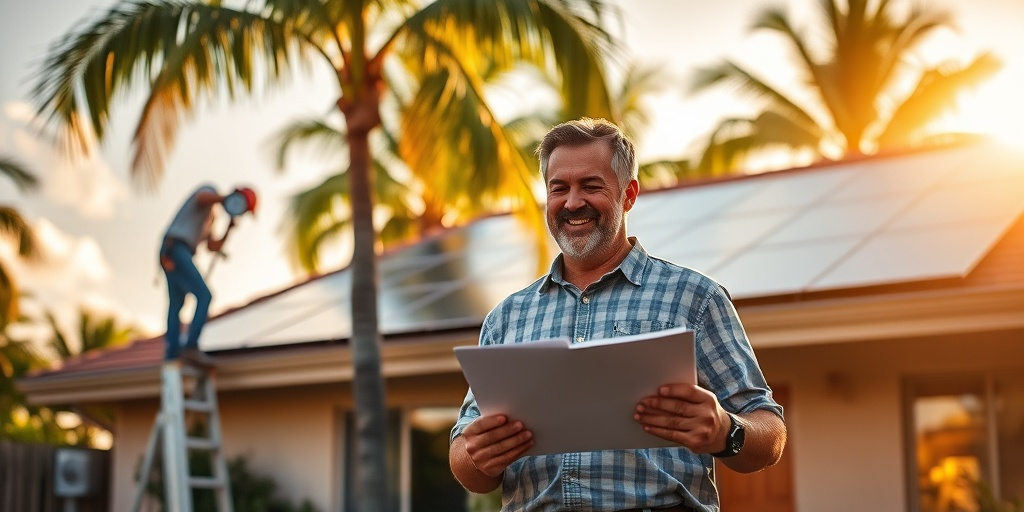
As the sun blazes down upon Florida’s Gulf Coast, its warm rays cast more than just light; they herald an opportunity that residents can no longer overlook. Did you know that solar power can help homeowners cut their energy bills by up to 50%, transforming how they manage electricity costs? With Florida ranking among the top states for solar potential, the case for solar panel installation has never been stronger. In fact, according to the Solar Energy Industries Association, Florida has installed more than 6.2 gigawatts of solar energy, making it the third largest solar market in the country (SEIA.org). Welcome to “Why Gulf Coast Residents Should Consider Solar Panel Installation.”
The year 2025 is pivotal; with rising energy costs, new incentives available, and ongoing concerns about grid stability, the urgency to harness solar energy has escalated. Investing in solar is not just about saving money; it’s about benefiting from an energy source that aligns with modern environmental sensibilities while increasing property value—often as much as 20% (SolarReviews.com). In this comprehensive post, we will explore five key sections that delve deeper into why Gulf Coast residents should consider solar panel installation, featuring a case study for a relatable perspective, a practical checklist to guide your steps, myth-busting to clarify common misconceptions, local insights specific to Florida, and a technical deep-dive into solar technology. By the end, you will understand not only the benefits of solar energy but also how taking this step can transform your life.
Understanding the Solar Landscape in Florida
The transition to solar power is not merely an option for Gulf Coast residents; it’s a significant step towards energy independence. Let’s begin with an inspiring case study that illustrates the transformative power of solar energy.
Case Study: The Millers’ Solar Journey
Meet the Miller family from Naples, Florida. Like many homeowners, they felt the pinch of rising energy bills, which had climbed steadily over the years. After receiving a $300 electric bill in the summer of 2021, they decided it was time for a change. They turned to Florida Electric & Solar for a consultation.
After a thorough evaluation, the experts installed a 10kW solar panel system on their roof and paired it with a storage battery. Fast forward to 2023: The Millers are now enjoying a monthly electric bill of around $50, primarily to cover minimal connection fees. Their $18,000 investment in solar panels is projected to provide them with a remarkable return: over $30,000 in savings within the next 25 years. Beyond savings, the Millers are proud to contribute to a cleaner environment while increasing their property’s value.
Checklist: Key Steps to Install Solar Panels
- Step 1: Assess Energy Needs: Review your electric bills from the past year to determine how much energy you consume.
- Step 2: Get a Solar Evaluation: Consult with a reputable solar provider (like Florida Electric & Solar) to assess your roof’s suitability.
- Step 3: Explore Financing Options: Research various financing models available—from cash purchases to solar loans and leases.
- Step 4: Navigate Permitting and HOA Requirements: Ensure that your installation complies with local regulations and homeowner associations.
- Step 5: Schedule Installation: Once everything is set, book your installation, and prepare to join the solar revolution!
Myth-Buster:
- Myth #1: Solar panels are too expensive to install. In reality, solar panel prices have decreased by nearly 90% over the last decade (SEIA.org).
- Myth #2: Solar only works in sunny areas. While sunshine is ideal, panels can still generate electricity on cloudy days—remember, it’s light, not heat, that powers them!
- Myth #3: Solar panels reduce property value. On the contrary, homes with solar installations can sell for 20% more than their non-solar counterparts (SolarReviews.com).
As we transition to the next section, remember that these stories and facts are just the beginning. The local benefits, efficiencies, and sustainability goals we can achieve by adopting solar energy are evolving rapidly, particularly in Florida.
Understanding Local Incentives and Benefits
Homeowners in Gulf Coast regions have unique advantages when considering solar energy, stemming not just from federal incentives but also from state-specific programs designed to make the switch financially feasible.
Florida is leading the way with incentives for solar panel installations. The state provides the following benefits:
- No State Sales Tax: Solar equipment is exempt from state sales tax, representing immediate savings. This is a powerful motivator for homeowners considering the up-front costs of installation.
- Net Metering: Florida homeowners can take advantage of net metering policies, which allow them to receive credits for excess energy produced. This not only offsets their bills but can lead to significant savings over time.
- Property Tax Exemption: Installations in Florida do not increase property taxes, meaning your investment in solar will directly benefit your wallet without the worry of additional taxes.
In addition to these tangible incentives, consider the broader implications of going solar at a community level:
- Job Creation: The solar sector is a burgeoning industry in Florida, creating thousands of jobs in installation, sales, and manufacturing.
- Energy Independence: Solar energy contributes to less reliance on fossil fuels, enhancing energy security for residents across Florida.
Receiving these tax credits and participating in local energy savings programs makes 2025 an ideal time to transition to renewable energy. As we segue into our third section, let’s explore how to ensure that your solar installation is done correctly and efficiently.
5 Expert Solar Installation Tips for 2025
The journey into solar energy is exciting, but it requires careful planning and expert execution. Here are essential tips to help you navigate your solar panel installation in 2025:
Tip #1: Don’t Skimp on Panel Placement
Installing solar panels in the wrong spot can dramatically reduce their efficiency. Aim for areas that receive the most sunlight throughout the day—typically south and southwest-facing rooftops. Adjusting the angle can also yield better results based on your specific home orientation (Energy.gov).
Tip #2: Consider Battery Storage
A solar battery system allows you to store excess energy generated during the day. This capability means you can power your home at night or during outages without drawing from the grid, significantly enhancing your energy efficiency.
Tip #3: Use a Certified Installer
Quality installation is crucial for the longevity and efficiency of your solar investment. Working with a certified professional ensures that your installation meets local codes and utilizes the latest technology.
Tip #4: Review Contracts Carefully
Understanding what is included in your solar agreement will help you avoid surprises later. Look for warranties, maintenance agreements, and any additional fees or costs. A clear contract will set the tone for a positive solar journey.
Tip #5: Keep an Eye on Incentives
New incentives can crop up regularly. Stay informed about any state or federal programs that might be launched, as these can further lower your financial investment in solar.
With expert tips in mind, let’s move forward and explore a fictional yet realistic journey of a Florida homeowner who embarks on the solar path.
The Solar Journey of the Roberts Family
In the heart of Sarasota, the Roberts family embarked on their solar journey fueled by the desire to reduce their carbon footprint and their ever-increasing electric bills. A typical family of four, they lived comfortably, but their energy consumption was high due to an electric pool heater and air conditioning running almost year-round.
After much research and deliberation, the Roberts decided to install a 13kW solar system and invest in a Tesla Powerwall for optimization. This decision hinged not only on the financial savings—which they calculated to be around $40,000 over the life of the system (NREL.gov)—but also a deep commitment to living sustainably.
Items They Considered During Their Decision:
- Financing Options: They opted for a solar loan that allowed them to pay off the panels over time, preserving their cash flow.
- Community Impact: They joined local solar initiatives to promote solar within their neighborhood, contributing to growing awareness.
- Environmental Impact: Feeling fulfilled in knowing they were reducing their reliance on fossil fuels while promoting renewable energy that influenced future generations.
This commitment paid off within just five years. The Roberts not only enjoyed significantly reduced bills but also felt empowered in their sustainability efforts. They often shared their story with their community, inspiring others to consider making the switch. As we head into the final section, let’s outline a comprehensive action plan for future solar buyers in Florida.
Next Steps for Florida Solar Buyers in 2025
Choosing to go solar is an important decision and requires careful consideration of various factors. Here’s a clear action plan to guide you through the process.
Step 1: Audit Your Electric Bill
Start by reviewing your electric bills to understand your energy consumption—knowledge is power. Highlight averages over the past year to gauge how much solar capacity you might need.
Step 2: Research Local Solar Incentives
Investigate the incentives available to you, both federal and state. The Florida Electric & Solar website is a great place to find resources that can help maximize your savings.
Step 3: Consult with Professionals
Engaging a certified solar provider will ensure you’re getting the best equipment suited for your specific needs and budget.
Step 4: Plan for Installation
Set a timeline for when you want your solar system to be installed, accounting for local weather conditions and permitting timelines.
Step 5: Monitor Your Performance
Once your system is set up, monitor its performance regularly to ensure you’re getting the returns you expect—from savings to energy generation.
As you embark on your solar journey, it’s essential to remember the many reasons why investing in solar energy is not just a trend but a gateway to flipping the paradigm in energy consumption. With the rising costs of utilities and the increasing need to combat climate change, becoming energy independent is more urgent than ever.
In conclusion, the transition to solar power is not only financially rewarding but also environmentally significant. Florida residents can save money, increase their property value, and contribute to a more sustainable future. Make your voice heard by becoming part of the solar community in 2025!
Ready to start your solar journey in 2025? Connect with a certified expert at floridaelectricandsolar.com today.
“`
Related Articles
More insights about Solar Panel

Florida Homeowners: Why Solar Panel Maintenance Is Essential

7 Essential Steps for Solar Panel Installation Success

Expert Insights: Key Factors Influencing Solar Panel Lifespan
Ready to Go Solar?
Have questions about solar energy? Our experts are here to help you make the switch to clean, renewable energy.