
How One Family Achieved Energy Independence with Solar Panel Installation
Share:
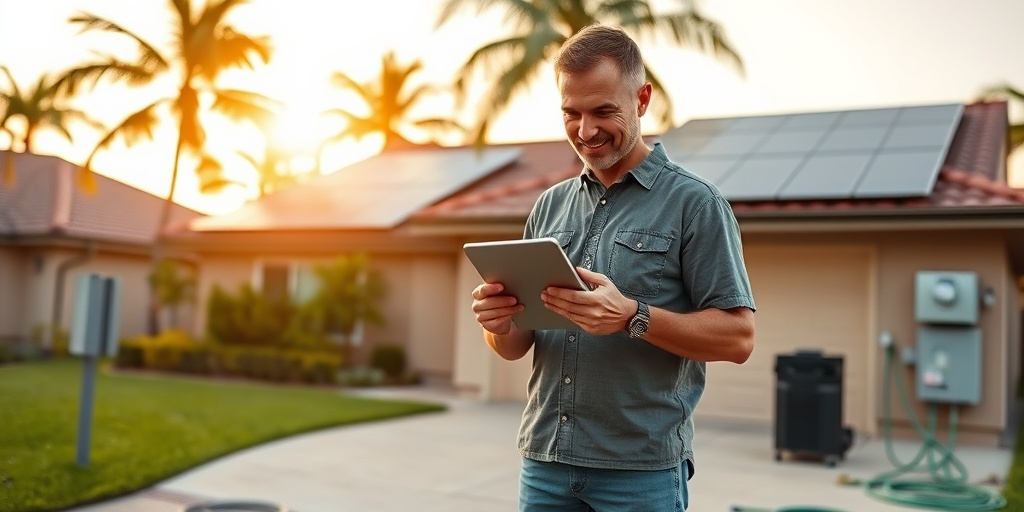
Imagine standing on your porch, watching the sun rise over your house, and knowing that the energy powering your home is yours alone—sourced directly from the sky. A staggering 80% of Florida homeowners expressed interest in going solar, yet only about 20% have made the leap (SEIA.org). This reality can change, and the journey to energy independence is not as out of reach as some may think. In this article, titled How One Family Achieved Energy Independence with Solar Panel Installation, we’ll explore how the Garcia family transformed their home and finances through solar energy. With energy costs on the rise and Florida’s grid becoming ever more unpredictable, understanding solar technology and installation becomes vital as we approach 2025. Today, we’ll uncover the inspiring results of their journey and the vital lessons other Floridians can glean from their experience. Here’s what to expect in the upcoming sections: the Garcias’ case study, a practical checklist for solar installation, a breakdown of common myths surrounding solar energy, local Florida considerations, and a technical deep-dive into the essentials of solar technology. Let’s embark on this illuminating journey.
The Garcias’ Journey to Energy Independence
The Garcia family’s story is one of resilience, hope, and innovation. Located in sunny Fort Myers, Florida, they were like many families, constantly battling rising energy bills and frequent blackouts. Initially skeptical about solar, they were persuaded after attending a community seminar highlighting the benefits of solar energy. They learned that solar installations had increased by over 70% in Florida over the past few years (SolarReviews.com), which ignited their curiosity. Furthermore, they discovered that solar panels can save homeowners an average of $1,500 annually on energy bills (Energy.gov).
After diligent research and consultations with several solar companies, they approached Florida Electric & Solar, renowned for their knowledgeable staff and commitment to customer satisfaction. The Garcias were convinced that this was the partner that could help them achieve their solar goals. They began their journey by assessing their electric consumption and property orientation. With professional guidance, they learned about the various solar panel options available, including monocrystalline versus polycrystalline solutions, and the latest in battery technology for storing excess energy.
On the day of installation, enthusiasm buzzed in the air. Watching the installation team, the family appreciated the meticulousness with which every panel was fixed. In just one day, the Garcias had installed a 10 kW solar power system, aligned perfectly to capture Florida’s abundant sunshine. They had officially begun their journey to energy independence.
- Step 1: Evaluate energy needs and property suitability.
- Step 2: Engage professional solar consultants.
- Step 3: Decide on the type of solar technology best for your home.
- Step 4: Schedule installation and inspections.
- Step 5: Monitor performance and reap the savings!
Once their system was operational, the results were astonishing. Within the first summer, the Garcias noticed a 60% reduction in their electric bills. In the first year alone, they produced more energy than they consumed, resulting in extra credits that rolled over to their family’s next summer season—an overwhelming relief! The solar panels began to pay for themselves far quicker than anticipated. Over time, they would save thousands while reducing their carbon footprint, contributing towards a cleaner, greener Florida.
As energy independence became a reality, the Garcias shared their story with family and friends, quickly debunking myths that had previously held them back. For instance, the notion that solar panels are ineffective in cloudy conditions was put to rest as they basked in the Florida sun, enjoying uninterrupted energy supply through unexpected summer storms. The realization dawned that solar energy could be beneficial for everyone, given the right knowledge and context.
5 Steps to Make Your Solar Dreams a Reality
Feeling inspired to follow in the Garcias’ footsteps? Here is a structured checklist to guide you through the installation process:
- Audit Your Electric Bill: Review your utility bills over the past year to pinpoint your average monthly energy consumption and costs. This will help you understand how large a solar system you’ll need to install.
- Evaluate Roof Condition: Your roof should be assessed for structural integrity and the best orientation (south or southwest) for solar panel placement. Ensure there’s minimal shading from trees or nearby structures.
- Research Solar Financing Options: From leases to loans, investigate financing options available for solar installation. Be sure to check for tax incentives or rebate programs that apply to Florida homeowners.
- Get Multiple Quotes: Don’t settle for the first bid. Compare offers from different solar companies to understand pricing, panel efficiency, and after-sale services. Check reviews and industry standings on platforms like SolarReviews.com.
- Build a Community: Connect with neighbors or local groups interested in solar to foster a supportive environment for your installation. Bringing more homes into the fold can enhance your community’s overall energy independence.
By diligently following these steps, you can begin your journey toward solar energy independence and financial relief. If you want to know more about financing options available for Florida residents, please visit floridaelectricandsolar.com.
Myth-Busting Common Misconceptions about Solar Energy
Despite increasing interest, several prevailing myths about solar energy still prevent many from making the switch. Here, we set the record straight:
- Myth #1: Solar Panels Are Too Expensive for Most Homeowners. While upfront costs can be daunting, financing options and tax incentives available in Florida can drastically reduce overall expenses, making solar accessible for all. Many homeowners see return on investment within a few years.
- Myth #2: Solar Only Works in Sunlight. While solar panels need sunlight to generate energy, they can still function on cloudy days. In fact, many modern panels are designed to capture indirect sunlight efficiently.
- Myth #3: Solar Energy is Harmful to the Environment. The production of solar panels has a carbon footprint, but compared to fossil fuels, the lifecycle emissions of solar energy are significantly lower, contributing to a cleaner planet (NREL.gov).
- Myth #4: Homeowners Lose Power if Their System Fails. It’s crucial to have a properly designed solar energy system that incorporates battery backup for key applications, ensuring continued access to energy even during a blackout.
- Myth #5: Solar Panels Require Constant Maintenance. Solar panels are built to be durable with minimal maintenance. Regular cleaning and an annual inspection usually suffice to ensure optimal operation.
Exposing these myths transforms doubt into clarity, empowering homeowners in the Sunshine State to make informed decisions about solar energy. You can connect with local experts to learn more about the installation process and how it could work for your home.
Key Technical Considerations for Solar Energy in Florida
Transitioning to solar energy involves understanding some technical aspects — spending time on these details can provide clarity and confidence. Here are essential considerations:
- Understanding Net Metering: Florida allows homeowners with solar power systems to benefit from net metering, which credits your account for the excess power generated, significantly reducing monthly energy costs (DSIREUSA.org).
- Solar Batteries: Utilizing solar batteries allows you to store excess energy for use during non-sunny hours or power outages. Depending on preferences and needs, some homeowners find batteries essential for long-term savings.
- Choosing the Right Panel Type: You can choose from monocrystalline, polycrystalline, or thin-film solar panels. Each has distinct advantages and varying efficiency rates. Consult professionals to determine what suites your energy needs best.
- Inverter Technologies: Inverters are vital for converting the DC electricity generated by solar panels into AC electricity, which powers your home. There are different inverter types, including string inverters, microinverters, and power optimizers, each with their unique advantages.
- Community Impact: More homes incorporating solar energy contributes to Florida’s overall sustainability effort, leading to reduced dependence on fossil fuels and healthier communities.
By grasping these concepts, Florida homeowners can avoid common pitfalls and maximize their solar savings. Understanding how solar technology operates will lead to a smoother installation process and more informed decisions. Explore further innovations and opportunities through floridaelectricandsolar.com.
Next Steps for Florida Solar Buyers in 2025
The excitement of going solar doesn’t need to end with a completed installation—what comes next is equally important. Here’s a straightforward action plan for Florida homeowners considering solar energy:
- Step 1: Audit Your Electric Bill: Start by analyzing previous energy bills to determine your current consumption. This foundational step will guide your next decisions.
- Step 2: Consult Experts: Reach out to solar installation professionals to assess which products would best suit your needs. Their expertise can help you make informed choices.
- Step 3: Research Incentives: Investigate Florida state tax credits, federal incentives, or community rebate programs that you may qualify for. This can significantly reduce your costs.
- Step 4: Schedule Installation: Set up an installation date with your chosen solar provider. Project timelines can vary; hence planning ahead will optimize the installation process.
- Step 5: Monitor Performance: Utilize monitoring systems to track energy production and savings over time, optimizing settings as necessary to ensure maximum efficiency.
Taking these steps not only encourages prudent financial planning but also fosters an engaging community experience that can benefit Florida as a whole. As solar energy grows, so does the potential for Florida’s energy landscape. Together, we can forge a sustainable future with solar as our cornerstone.
In conclusion, the Garcias’ inspiring journey to achieving energy independence with solar panel installation is a testament to the potential of solar energy. With a community-wide effort and informed plans, Florida homeowners can take charge of their energy destiny. The transition to solar power is not just a decision; it’s an investment in your family’s future and the well-being of the planet. Don’t let myths deter you from what could be a transformative journey. The benefits of solar energy—financial savings, environmental protection, and energy independence—outweigh the obstacles. Are you ready to explore how solar could change your life for the better? Ready to start your solar journey in 2025? Connect with a certified expert at floridaelectricandsolar.com today.
Related Articles
More insights about Solar Panel

Florida Homeowners: Why Solar Panel Maintenance Is Essential

7 Essential Steps for Solar Panel Installation Success

Expert Insights: Key Factors Influencing Solar Panel Lifespan
Ready to Go Solar?
Have questions about solar energy? Our experts are here to help you make the switch to clean, renewable energy.