
How One Florida Homeowner Boosted Home Value with Solar Panel Installation
Share:
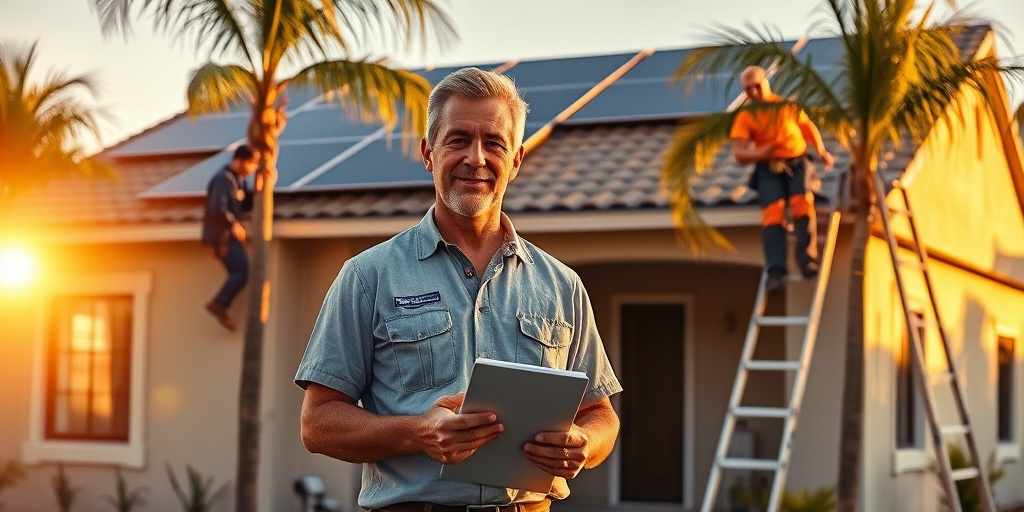
In a state where sunshine reigns supreme, it’s no wonder that solar energy has taken center stage. According to the Solar Energy Industries Association (SEIA), Florida ranks third in the United States for solar power capacity, contributing to over 6,000 megawatts installed by the end of 2023. Additionally, the National Renewable Energy Laboratory (NREL) estimates that homeowners can save an average of $15,000 over the lifetime of their solar panels. However, amidst these impressive figures, one Florida homeowner’s transformative journey stands out: the installation of solar panels not only reduced their electric bills dramatically but also significantly boosted their home’s market value. This illustrative tale unfolds in our article titled, How One Florida Homeowner Boosted Home Value with Solar Panel Installation. As we approach 2025, a year expected to usher in new solar incentives and rising energy costs, this topic has become more urgent than ever. In this blog, we’ll delve into this homeowner’s experience, examine a checklist of steps to ensure a successful solar installation, debunk common myths about solar energy, highlight local policies affecting Florida homeowners, and dissect the technical aspects of solar systems and how they can truly elevate a home’s value. Get ready to discover the invaluable benefits and insights that come from harnessing solar power in Florida!
Transforming Lives and Homes: One Florida Homeowner’s Solar Journey
Meet Sarah, a Florida homeowner whose story epitomizes the growing trend of solar adoption across the state. In 2024, Sarah set out to reduce her soaring electricity bills and explore eco-friendly options for her family. “I was shocked to find out that my electricity bills averaged $300 a month,” she recalls. This frustration prompted her to consider solar panels as a solution, not just for financial relief, but as a step toward sustainability.
After extensive research and consultation with Florida Electric & Solar, Sarah decided to proceed with the solar panel installation. The entire process took about three months, including assessments and permitting. Initially, uncertainty loomed over the financial aspect. Nevertheless, with the federal solar tax credit reducing initial costs by 30% and Florida’s net metering policy allowing her to receive credits for excess energy produced, the investment began to look more favorable.
Ultimately, Sarah’s decision not only allowed her to cut down her monthly bill by 70% but also enhanced her home’s market value by approximately $25,000, according to a report from Zillow. The statistics bolster her assertion: homes with solar energy systems tend to sell for about 4.1% more than comparable homes without such systems. Besides financial savings, she relished the idea of contributing to a greener planet, embracing renewable energy sources.
Sarah’s experience is a powerful case study that inspires others to harness the sun’s energy. Here’s a checklist of actionable steps reflecting her journey:
- Research Financing Options: Investigate available tax credits and local incentives.
- Assess Your Rooftop: Ensure your roof is solar-ready and can support the installation.
- Choose a Reputable Installer: Work with certified professionals who have a proven track record.
- Select Appropriate Technology: Assess the best panels and inverters for your energy needs.
- Understand Your Local Laws: Familiarize yourself with state-specific regulations and policies.
However, skepticism still lingers in the minds of many potential solar adopters. Thus, it’s essential to dispel common misconceptions surrounding solar installation. As we journey deeper, let’s tackle a few myths prevalent within the community.
Myth-Busting: Common Misbeliefs About Solar Power
Myth #1: Solar Panels are Too Expensive — Many prospective buyers believe that the upfront cost of solar panels is prohibitive. While an installation can range from $15,000 to $30,000, tax incentives allow homeowners to significantly decrease these costs. Florida offers additional programs that provide financing options and rebates, easing this initial burden.
Myth #2: Solar Energy Only Works in Sunny States — Interestingly, solar panels can generate energy even on cloudy days. While sunny states like Florida do experience better production, cold and cloudy climates account for a mere 10% reduction in output. Solar technology continues to improve, guaranteeing performance even under less-than-ideal conditions.
Myth #3: Solar Panel Maintenance is Complicated — Many people misjudge the upkeep required for solar technologies. In reality, solar panels are quite durable, requiring minimal maintenance, primarily routine cleaning and occasional inspections. In Florida, rains often wash away debris, further reducing maintenance needs.
Myth #4: Solar Energy Won’t Increase My Home’s Value — On the contrary, studies have shown that homes outfitted with solar panels command higher selling prices. Real estate platforms like Zillow highlight that homes with solar installations sell for an average of $15,000 more than similar homes without them (Zillow.com).
Myth #5: Solar Panels are Ineffective in Tropical Storms — Florida’s weather may raise questions about durability, but modern solar panels are engineered to withstand extreme weather. They are tested rigorously to meet standards for high winds and heavy rains, making them reliable assets for Florida homeowners.
Armed with knowledge, you can now evaluate the viability of solar energy for your home. Knowing what the local climate allows is essential for making informed decisions, particularly in Florida. Let’s proceed further into how to navigate solar adoption effectively.
The Local Focus: Understanding Florida’s Solar Landscape
Solar adoption has grown exponentially in Florida, a state richly endowed with sunlight. The pivotal factor driving this growth is Florida’s commitment to solar policies, cementing its position as a leading state for solar energy production.
- The Sunshine State’s Solar Capabilities: Florida is the third-largest solar market in the U.S., with over 6,000 MW installed capacity as of 2023 (SEIA.org).
- Net Metering Benefits: Florida homeowners benefit from net metering, which allows them to sell back unused energy to the grid at retail rates, helping generate savings over time.
- Renewable Energy Programs: The state also runs programs like the Renewable Energy Technologies Grant Program, which allocates funds for solar installation and enhances accessibility for homeowners.
- Community Solar Initiatives: Community solar programs enable residents to partake in solar-generated energy without needing to own panels, making renewable energy accessible to all.
Additionally, with updates in renewable energy policies expected in 2025, including possible increases in state financial incentives for solar installations, the time to act is now. The more you know about local regulations and opportunities, the better positioned you are to maximize your solar investment.
In the realm of solar technology, understanding the systems available in Florida is crucial. Let’s delve deeper into the technical components that make solar installations feasible and efficient.
Technical Deep-Dive: Understanding Solar Systems
When contemplating solar installation, it’s essential to grasp the basic components that form the backbone of a system:
- Solar Panels: These photovoltaic (PV) panels convert sunlight directly into electricity. The efficiency of panels has significantly improved over the years, with many now capable of producing 20% more energy than earlier models.
- Inverters: Solar inverters convert the direct current (DC) generated by the panels into alternating current (AC) that can power your home. Advanced inverters can also optimize energy production by monitoring the performance of individual panels.
- Battery Storage: For homeowners seeking to maximize their energy independence, battery storage allows you to store excess energy for later use, particularly during peak hours or power outages. Tesla’s Powerwall is a popular choice in Florida, providing reliable storage options.
- Monitoring Systems: Most solar setups come with monitoring systems that allow homeowners to track their energy production and usage in real-time, helping to optimize energy consumption and detect issues if they arise.
The interaction between these components assures that your solar system runs optimally, contributing to significant savings over time. Furthermore, Florida’s favorable weather conditions make solar energy an attractive long-term investment for homeowners. As you consider moving forward, it’s crucial to create a comprehensive strategy that encompasses both logistical and technical aspects. Let’s look at the next actionable steps for prospective solar buyers in 2025.
Next Steps for Florida Solar Buyers in 2025
As solar energy continues to pave the way for financial savings and sustainability, it is essential that homeowners understand the actionable steps to effectively transition to solar energy. Here’s a checklist to guide you:
- Audit Your Electric Bill: Analyze your energy consumption and spending patterns to determine potential savings from solar energy installations.
- Consult with a Solar Provider: Speak with experts for personalized assessments and quotation options, ensuring they factor in local incentives and rebates.
- Get Multiple Quotes: Encourage competition for the best pricing and service by soliciting proposals from several reputable solar installation companies.
- Review Performance Warranties: Understand your potential provider’s warranty coverage terms for equipment and performance guarantees to safeguard your investment.
- Start the Installation Process: Once you’ve carefully selected your installation partner, start the process and ensure you clearly understand the timeline, scope, and any follow-up requirements.
By following these steps, you set yourself on a path toward transitioning to solar energy while maximizing your savings and home value. Florida’s solar landscape is evolving rapidly, and with a few deliberate moves, you can take full advantage of the trend driving your community.
As you can see through Sarah’s inspiring story, making the switch to solar can catalyze significant financial benefits while contributing positively to our planet. Solar power is no longer just a good idea – it’s a smart investment that many Florida homeowners are embracing now more than ever.
In conclusion, the choice to implement solar energy is no longer a luxury but a necessity in today’s economy. Not only does it promise long-term savings and an increase in property value, but it also steers us toward a sustainable future. With unprecedented opportunities lining up in 2025, it is essential to act with urgency. After experiencing the empowering effects of harnessing the sun, it’s time for you to embark on your solar journey.
Ready to start your solar journey in 2025? Connect with a certified expert at floridaelectricandsolar.com today.
Related Articles
More insights about Solar Panel

Florida Homeowners: Why Solar Panel Maintenance Is Essential

7 Essential Steps for Solar Panel Installation Success

Expert Insights: Key Factors Influencing Solar Panel Lifespan
Ready to Go Solar?
Have questions about solar energy? Our experts are here to help you make the switch to clean, renewable energy.