
How Can Florida Homeowners Benefit from Solar Panel Lifespan?
Share:
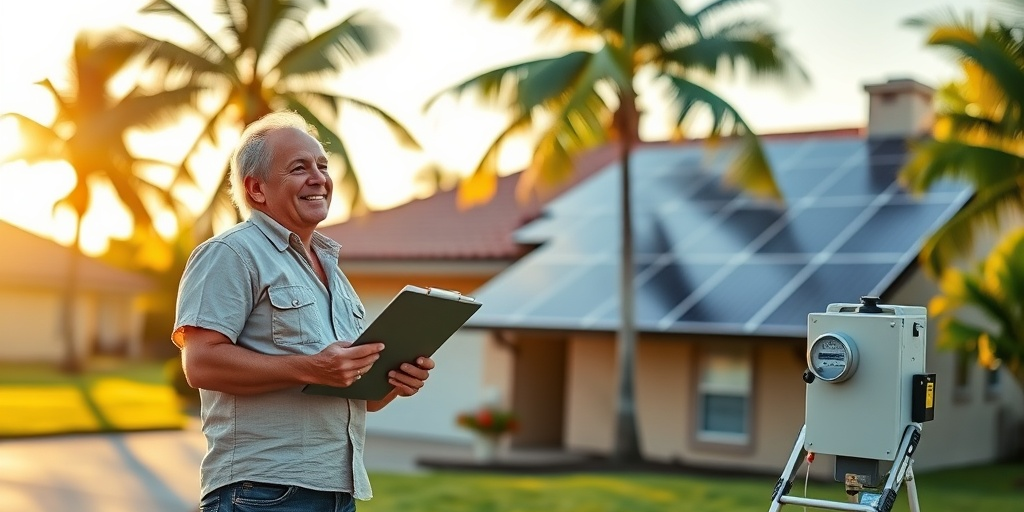
Have you ever wondered how long your investment in solar panels will last, and how much it could save you over time? The concept of solar panel lifespan is not just a technical detail; it’s a powerful factor influencing the financial sanity of Florida homeowners. Did you know that the average lifespan of solar panels is around 25 to 30 years, with many still operating efficiently beyond this period? That’s 25 years of cut electric bills, energy independence, and increased home value. In fact, studies indicate that solar energy installations can increase property resale value by approximately $15,000 (Energy.gov). As 2025 rapidly approaches, rising energy costs and new solar incentives are driving more homeowners to consider this eco-friendly technology. The question becomes: **How Can Florida Homeowners Benefit from Solar Panel Lifespan?**
In 2025, going solar will not only be a viable option but a crucial necessity for many. Electricity prices are forecasted to rise by an average of 3% annually, meaning you could be paying significantly more for your utility bills as time progresses. Additionally, Florida aims to incentivize solar energy adoption, including net metering credits which can lower overall costs. All these factors lead to an urgent need for homeowners to understand the benefits of solar panel longevity, not just in terms of environmental impact, but for economic gain as well.
In the following sections, we will explore the topic in depth, covering:
- Real-life stories illustrating the long-term savings from durable solar panels
- A practical step-by-step checklist for maximizing solar benefits
- Common myths surrounding solar panel usability and lifespan
- The unique advantages of solar energy specific to Florida
- A technical deep dive into how solar technology works to provide value over its lifespan
Real-Life Stories: A Deeper Look at Solar Panel Lifespan and Its Benefits
Consider the case of the Thompson family from Orlando, Florida. After years of rising electricity costs, they decided to invest in solar panels in early 2021. They understood that the initial investment was not just a financial decision; it was a step towards energy independence. Within the first month, their solar installation offset nearly 80% of their electricity bills. Over time, as the state of Florida has continued implementing incentives for solar energy, they have seen even more value from their investment.
Here’s how the Thompsons maximized their savings through the solar panel lifespan:
- Opted for Quality Panels: They chose high-efficiency solar panels with a 25-year warranty, ensuring performance and longevity.
- Monitored Their Usage: They regularly checked their energy consumption patterns and adjusted their habits to get the most from their solar setup.
- Utilized Net Metering: Florida’s net metering laws allowed them to sell excess energy back to the grid, providing additional savings.
- Regular Maintenance: The Thompsons conducted annual inspections and maintenance to ensure their system operated at peak efficiency.
In doing so, they not only benefited financially but enjoyed the peace of mind that came from knowing they were contributing to a sustainable future. Data shows that residential solar can save homeowners an average of $10,000 over 20 years (SEIA.org). This aligns closely with the Thompsons’ experience, showcasing the potential of investing in solar energy.
However, there are prevalent myths and misconceptions about the lifespan of solar panels that can raise doubts. Many people believe that solar panels degrade significantly after a decade. In reality, reputable panels typically lose only around 0.5% to 1% of their efficiency per year after the initial few years. Most manufacturers provide warranties that guarantee performance for 25 years, and many panels can last well beyond that, often having production rates that still exceed 80% of their original capacity even after 25 years.
It’s also important to consider how Florida’s climate affects solar energy systems. The Sunshine State is famous for its sunny days—averaging 261 sunny days a year—which translates to more potential energy generation. Additionally, innovative technologies, such as high-efficiency inverter systems, continuously evolve to maximize energy conversion and storage, helping to enhance the lifespan and performance of renewable energy systems in Florida households.
Every homeowner considering solar energy should be aware of these critical factors. Investing in panels is only the beginning; understanding how they operate, monitoring performance, and proper maintenance are key to unlocking their full potential over time. As you navigate your solar journey, keep in mind the importance of quality products and the ongoing support from experienced professionals.
Checklist: Maximize Your Solar Energy Savings
Step 1: Research Quality Solar Products – Invest in reliable brands with proven track records. Look for panels that have a warranty lasting 25 years or more, as they are more likely to provide long-term savings and efficiency.
Step 2: Engage a Certified Installer – Choose a contractor who has expertise in solar panel installation and familiarity with Florida-specific incentives and regulations. Proper installation maximizes efficiency and longevity. Seek out companies like floridaelectricandsolar.com that specialize in local solutions.
Step 3: Understand Your Energy Needs – Monitor and analyze your energy consumption habits. This will help you determine the size of your solar system, tailored to your unique needs.
Step 4: Keep Up with Maintenance – Schedule regular inspections and cleaning to ensure your system operates as efficiently as possible. Occasional cleaning can boost production levels, especially during the pollen-heavy spring months in Florida.
Step 5: Take Advantage of Incentives – Familiarize yourself with available tax credits, rebates, and net metering programs that can significantly lower your upfront costs.
By following these steps, Florida homeowners can create a seamless transition to solar energy that maximizes their savings over the lifespan of their solar installation.
Myth-Busters: Common Misconceptions About Solar Panel Lifespan
Despite the intimate connection many homeowners are forming with solar energy, certain myths still persist. Let’s debunk a few of these:
Myth #1: Solar Panels Lose Efficiency and Become Useless Quickly – In reality, solar panels degrade at a slow rate, making them viable for many decades. The average efficiency loss is between 0.5% to 1% per year.
Myth #2: Solar is Too Expensive to Consider – While installation costs can be significant, factoring in savings from energy bills, tax credits, and incentives often reveal that solar energy is a financially sound decision over the long run.
Myth #3: Solar Panels Require Too Much Maintenance – Solar systems generally require minimal maintenance. Simple cleaning and inspections are usually enough to keep them functioning efficiently over their lifespan.
Myth #4: All Solar Panels are the Same – There is a wide variety of solar products on the market, varying in quality, efficiency, and lifespan. Researching and selecting reputable brands is crucial for ensuring optimal performance.
Myth #5: Solar Panels Will Damage My Roof – Professionally installed systems are designed to be lightweight and non-invasive to your roof structure. With quality installation, they can actually protect your roof beneath them.
Understanding truth from myth allows Florida homeowners to approach solar energy with confidence, reinforcing the benefits of investing in solar panels over the long term.
Florida’s Solar Advantage: Local Benefits and Insights
Florida’s unique geographical and legislative environment provides specific advantages when it comes to solar energy adoption. The state is blessed with ample sunlight, which is a fundamental requirement for efficient solar energy generation. In fact, Florida ranks third in the nation for total installed solar capacity, boasting over 4,000 MW at the end of 2022 (SEIA.org). This bountiful sunlight translates into more energy production for homeowners.
Furthermore, Florida homeowners benefit from a variety of policies aimed at incentivizing solar adoption:
- Net Metering Policy: This allows homeowners to earn credits for excess solar energy fed back into the grid, thereby offsetting future electricity costs.
- Property Tax Exemption: Solar installation increases property value without increasing property taxes, making the investment even more appealing.
- Federal Tax Credit: Homeowners can deduct 26% of the installation cost from their federal taxes, significantly lowering upfront costs.
Moreover, Florida has numerous solar cooperatives that enable homeowners to band together and negotiate bulk purchase discounts on solar systems, empowering more residents to realize the benefits of solar.
Collectively, these factors contribute not only to reducing energy bills but also to foster a more sustainable community. By harnessing the power of solar energy, homeowners are investing in their futures while contributing to a healthier environment for all Floridians.
Technical Deep-Dive: The Mechanics Behind Solar Longevity
Understanding how solar panels work is essential to appreciating the benefits of their lifespan. At the core of solar energy systems are photovoltaic (PV) cells. These cells convert sunlight into electricity, employing materials like silicon combined with high-efficiency technology that enhances energy conversion.
Solar cells typically consist of several components: the solar panel itself, an inverter for conversion of DC to AC electricity, and a battery system for energy storage. Here’s a closer examination of each:
- Solar Panels: These contain multiple solar cells linked together, responsible for energy conversion. Modern panels can achieve efficiency rates upwards of 20% or higher.
- Inverters: These devices convert direct current (DC) energy generated by the panels into alternate current (AC) for home usage. The durability of the inverter is paramount, as it typically has a lifespan of about 5 to 10 years before requiring replacement.
- Batteries: For solar energy storage, batteries secure energy that can be used when solar production is low or usage spikes. Investing in higher quality batteries can significantly impact system longevity and reliability.
Technological advancements have continuously improved the durability and efficiency of solar systems, contributing to their prolonged lifespan. Proper oversight, regular monitoring, and effective maintenance are key in ensuring that your solar system operates at optimal levels for decades. Furthermore, energy policies that favor renewable technology align with economic trends aiming for sustainability, reinforcing the drive toward solar energy adoption.
Next Steps for Florida Solar Buyers in 2025
Ready to capitalize on the long-term benefits of solar energy? Here’s your actionable plan:
- Step 1: Audit Your Electric Bill – Review your past utility bills to get a sense of your consumption patterns. Knowing your energy usage will help you size your solar system appropriately.
- Step 2: Compare Solar Options – Meet with multiple solar providers in Florida to gather quotes and discuss available technology options. Focus on companies with a strong local presence.
- Step 3: Research Financing Options – Explore available financing plans, tax credits, and rebates, which can significantly reduce the cost of your solar project.
- Step 4: Schedule an Installation – Once you’ve chosen a provider and finalized your details, set up a timeline for installation. Ensure that all permits are secured beforehand.
- Step 5: Monitor Your System – Once installed, regularly check the performance of your solar array through monitoring software. Understanding how your system tracks energy production is crucial.
Following these steps will empower Florida homeowners to navigate the solar landscape efficiently, making informed decisions that align with their personal and environmental goals. For expert assistance throughout this journey, visit floridaelectricandsolar.com.
The journey of transitioning to solar power is not just about embracing a sustainable lifestyle; it’s about securing financial freedom and independence. As we have reviewed, solar panel lifespan presents numerous long-term benefits for Florida homeowners, from increased savings to enhanced property values.
Ultimately, investing in solar energy today means diversifying tomorrow’s energy possibilities. A sound decision now can create lasting impacts for generations to come. The time to act is now—solar energy is not only an environmentally responsible choice, but a financially astute one as well. So, let your home shine with the power of the sun.
Ready to start your solar journey in 2025? Connect with a certified expert at floridaelectricandsolar.com today.
Related Articles
More insights about Solar Panel

Florida Homeowners: Why Solar Panel Maintenance Is Essential

7 Essential Steps for Solar Panel Installation Success

Expert Insights: Key Factors Influencing Solar Panel Lifespan
Ready to Go Solar?
Have questions about solar energy? Our experts are here to help you make the switch to clean, renewable energy.