
How Florida Homeowners Can Maximize Their Solar Panel Lifespan
Share:
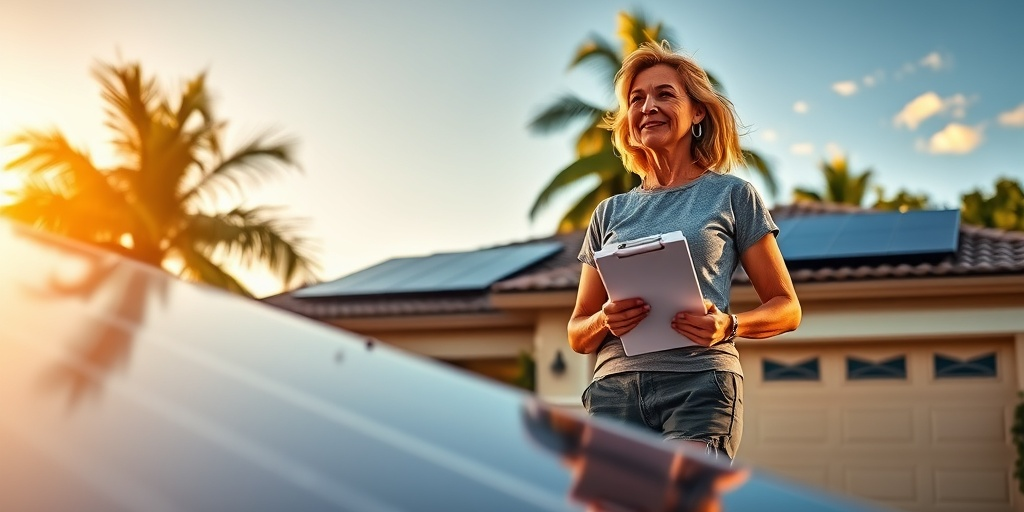
Imagine a bright, sunny morning in Florida—your solar panels gleaming under the radiant sun, efficiently harnessing energy while you enjoy countless benefits including lower utility bills and increased home value. The backdrop to this idyllic scene? An impressive statistic: solar energy usage in Florida has increased by over 38% in recent years, making it the third-largest state for solar installations in the U.S. (SEIA.org). Yet, there’s a critical aspect that many Florida homeowners overlook: how to maximize their solar panel lifespan. This pivotal topic is addressed in our article, How Florida Homeowners Can Maximize Their Solar Panel Lifespan.
As we move into 2025, countless homeowners are being drawn to the prospect of solar energy—spurred not only by rising electricity prices but also by lucrative state incentives, which can offset installation costs significantly. Interestingly, solar panel technology has reached a level of reliability, with many systems lasting 25 years or more provided they are properly maintained (Energy.gov). However, this longevity and performance don’t happen by accident; it requires informed actions from homeowners.
In this article, we will explore five insightful sections aimed at helping you take full advantage of your solar investment:
- Section 1: An In-Depth Look into the Realities of Solar Panel Longevity
- Section 2: Essential Solar Panel Maintenance Checklist
- Section 3: Common Myths Busted About Solar Panel Lifespan
- Section 4: The Importance of Local Conditions on Solar Equipment
- Section 5: Technical Insights and Actionable Steps for Maximum Efficiency
Let’s embark on this enlightening journey, ensuring that your solar energy system doesn’t just survive, but thrives in the sunny state of Florida!
A Deep Dive into How to Boost Your Solar Panel Lifespan
Imagine yourself in the home of a typical Florida family, the Ramirez family, who made the decision to install solar panels three years ago. Since the installation, they have enjoyed not only substantial savings on their energy bills but also increased engagement with sustainable practices. However, they were surprised to find that just installing the panels was not the end of their journey. To truly maximize the benefits and lifespan of their solar system, they learned that regular maintenance and informed decisions are paramount. This realization led them to become advocates for solar energy in their community.
To effectively prolong the lifespan of your solar panels, consider the following actionable steps:
- Step 1: Invest in Quality Equipment
The longevity of your solar panels greatly depends on their initial quality. Always work with reputable manufacturers that offer warranties extending to 25-30 years. This ensures that you are protected against potential defects and performance declines over time. Reputable brands often have extensive testing and performance data available for review. - Step 2: Ensure Proper Installation
A professional installation is crucial. Poor installation practices can result in damage and premature failure. Engage local Florida contractors who are familiar with state regulations and best practices to ensure your panels are optimally positioned and secured against the unique weather challenges of the region. - Step 3: Routine Maintenance Checks
Conducting regular maintenance is non-negotiable. This includes cleaning the panels, checking for debris or shading that could impede performance, and ensuring the inverter is functioning correctly. A simple cleaning can boost efficiency by as much as 20% (SolarReviews.com). - Step 4: Monitor Performance
Utilize monitoring software to keep track of your solar panel output. This enables you to quickly spot any discrepancies which may indicate issues. Florida has seen an increase in the number of applications utilizing IoT technology for real-time energy monitoring, improving both performance and longevity (NREL.gov). - Step 5: Understand Local Climate Impacts
Florida’s diverse climate can impact solar energy systems. High humidity and extreme weather events require specific considerations for installation and maintenance. Familiarize yourself with local weather patterns and consult your installer about routine checks following storms or heavy seasonal rains.
By implementing these steps, the Ramirez family transformed their solar experience and became vocal advocates for solar panel longevity, sharing their knowledge with neighbors and friends. They exemplify how early intervention leads to significant long-term benefits and savings—showing exactly how Florida homeowners can maximize their solar panel lifespan.
Essential Solar Panel Maintenance Checklist
Protecting your solar investment is essential, especially as the landscape of energy needs continues to evolve. The maintenance of solar photovoltaic systems is essential for optimizing performance and extending their working lifespan. Here’s a handy checklist to guide you:
- Regular Cleaning: Schedule cleanings at least twice a year, more frequently if dirt or algae accumulation is observed. A clean panel will generate more power.
- Weather Readiness: Inspect your system after severe weather events to ensure there’s no physical damage or debris.
- Inverter Functionality: Regularly check inverter indicators. Systems with microinverters allow for individual panel monitoring, which can reveal performance issues.
- Records and Documentation: Keep track of maintenance logs, energy production, and expenses related to repairs or cleaning services.
It’s crucial to remember that each of these checklists contributes to your solar panels’ overall health and longevity. By ensuring your system is well-kept, you prevent more costly repairs down the line and keep your energy efficiency high. If you need more personalized advice, visit floridaelectricandsolar.com for tailored maintenance plans.
Common Myths Busted About Solar Panel Lifespan
The solar industry is rife with misconceptions that could mislead even the most earnest Florida homeowner when considering the longevity of their solar panels. Here, we debunk some of the most common myths:
- Myth #1: Solar Panels Don’t Function in Cloudy Weather
While solar panels are most efficient under direct sunlight, they still generate energy in overcast skies. It’s a common misconception that performance ceases entirely; however, studies show that solar panels can produce 20-30% of their rated capacity even in cloud cover (Energy.gov). - Myth #2: Solar Panels Only Last for a Decade
Contrary to this belief, many solar panels are designed to last for 25 to 30 years, with performance warranties often available. Warranty claims related to defects are seldom seen within this timeframe. - Myth #3: Installing Solar is Too Expensive
With state and federal incentives available, including tax credits and rebates, the initial cost of solar installations is significantly reduced. Moreover, the savings on utility bills eventually make up for the initial expenditure. - Myth #4: Solar Panels Don’t Work Well in Florida Heat
In fact, while excessive heat can slightly lower efficiency, solar panels are designed to withstand high temperatures and continue producing power. With proper installation, they are perfectly suited for Florida’s climate. - Myth #5: Maintenance Isn’t Necessary
This is a dangerous misconception. While solar panels are relatively low-maintenance, neglecting regular check-ups could lead to efficiency drops and costly repairs. Regular maintenance ensures optimal performance and longevity.
As a proud Florida homeowner, relying on accurate information is essential when considering solar investments. Being informed allows you to make responsible decisions, ensuring that your commitment to solar energy pays off immensely.
The Importance of Local Conditions on Solar Equipment
Understanding Florida’s unique conditions is paramount for homeowners looking to maximize the lifespan of their solar panels. Local environmental factors impact not only the efficiency but also the durability of solar arrays. Here’s a closer look at how these factors play a crucial role:
- Humidity Levels: Florida’s high humidity can cause a quicker accumulation of grime and algae on panels, necessitating more frequent cleanings.
- Storm Patterns: With Florida’s susceptibility to hurricanes and severe thunderstorms, panels must be installed to withstand high winds and are often accompanied by warranties that account for storm conditions.
- Sun Exposure: Maximizing exposure through strategic placement can enhance efficiency, especially considering that Florida ranks as one of the sunniest states in the nation.
- Wildlife Interactions: The local fauna, such as birds, may cause physical damage by nesting underneath solar panels. Utilizing protective screens or barriers can negate this issue.
Being mindful of these local specifics can shield you against common pitfalls and ensure your solar panels thrive in Florida’s unique environment. Consult experts who understand these local nuances and can help you tailor your system for optimum performance.
Next Steps for Florida Solar Buyers in 2025
As you embark on your solar journey, it’s essential to create an actionable roadmap. The solar landscape is rapidly evolving, making it vital to approach energy independence systematically. Here’s your compact action plan:
- Audit Your Electric Bill: Start by analyzing your current energy usage. Understanding your electricity consumption will help size your solar system correctly.
- Research Incentives: Look into Florida’s solar incentives, tax credits, and financing options which can make installation more affordable.
- Consult Local Experts: Don’t hesitate to reach out to professionals for tailored advice. Sites like floridaelectricandsolar.com provide valuable resources and services.
- Explore Installation Options: Investigate different solar panel models, installation methods, and financing options to navigate what fits you best.
- Plan for Maintenance: Schedule regular check-ups and cleaning to keep your solar system in peak performance; setting reminders for seasonal maintenance will ensure longevity.
This structured approach to navigating the solar landscape ensures that you are making informed, impactful decisions that lead to a sustainable future.
In conclusion, maximizing your solar panel lifespan is an essential investment not only for your home but also for the environment. From understanding local climatic conditions to dispelling myths and implementing a robust maintenance plan, each step plays a crucial role in extending the life and performance of your solar investment. With rising energy costs and environmental concerns at the forefront, there has never been a more crucial time to embrace solar energy.
Ready to start your solar journey in 2025? Connect with a certified expert at floridaelectricandsolar.com today.
Related Articles
More insights about Solar Panel

Florida Homeowners: Why Solar Panel Maintenance Is Essential

7 Essential Steps for Solar Panel Installation Success

Expert Insights: Key Factors Influencing Solar Panel Lifespan
Ready to Go Solar?
Have questions about solar energy? Our experts are here to help you make the switch to clean, renewable energy.