
How One Business Achieved Energy Independence with Solar Solutions
Share:
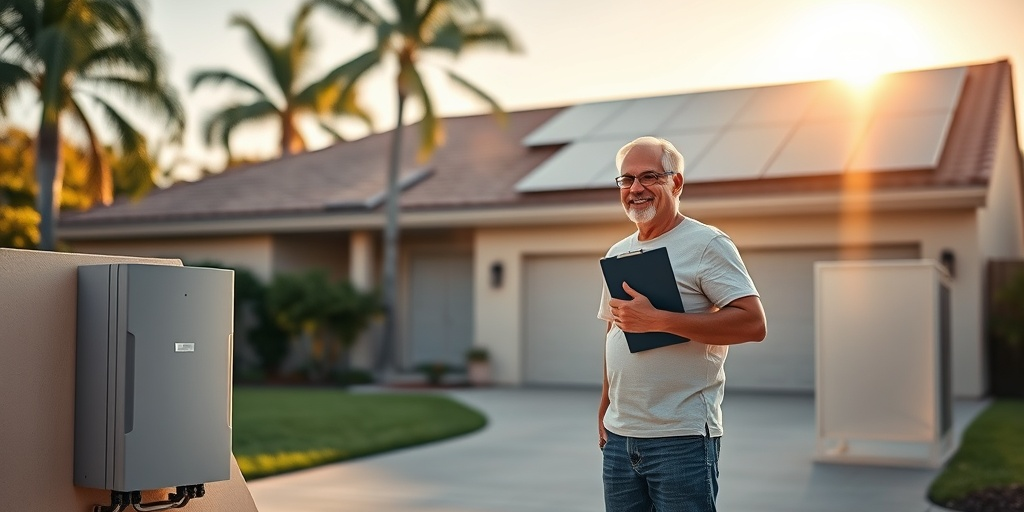
In a world where energy costs keep climbing—up by 20% just in the last year alone—Florida homeowners and commercial property owners are feeling the pressure. Many are searching for alternatives to alleviate their fiscal burdens while ensuring sustainability for future generations. If this resonates with you, consider this staggering statistic: according to the Solar Energy Industries Association, the solar industry is projected to grow by 81% in Florida from 2022 through 2025 (SEIA.org). This growth isn’t just a trend; it’s an opportunity for energy independence and significant savings. Today, we delve into a compelling journey titled How One Business Achieved Energy Independence with Solar Solutions. In this case study, you’ll learn how a Florida-based business transformed its operational costs and embraced sustainability through solar power while witnessing a remarkable shift in their energy consumption.
In 2025, going solar is not merely a decision to cut costs; it is an urgent call for survival in a landscape where electricity bills are rising and grid reliability is in question. The urgency grows with proposed state incentives and federal tax credits aimed at making solar more accessible. This post will guide you through understanding the impact of solar on commercial properties, share actionable steps, debunk common myths about solar energy, and present the essential best practices for maximizing your gains from solar solutions. Are you ready to discover the transformational power of solar? Let’s get started.
How One Business Achieved Energy Independence with Solar Solutions
Meet Sunny Meadows, a thriving organic farm located in the heart of Florida’s landscape. Established in 2010, it soon gained a reputation for its sustainable practices. By 2021, however, the increasing costs of electricity were beginning to cut into their profits. With energy prices fluctuating and the looming prospect of severe storms that threaten grid stability, the farm’s owners, Maria and Jake, found themselves at a crossroads. They needed a sustainable energy solution that would not only reduce costs but also affirm their commitment to protecting the environment.
Maria and Jake began exploring solar solutions. They wanted to achieve energy independence and utilize Florida’s abundant sunshine to convert it into savings. After thorough research and consultations with solar providers, they embarked on their solar journey in early 2022. Partnering with Florida Electric & Solar, they secured a customized solar energy system designed to cater to their unique needs.
The installation included 150 high-efficiency solar panels and a state-of-the-art battery storage system. This setup allowed them to harness and store solar energy, reducing their reliance on grid electricity. The results? By mid-2023, they reported a jaw-dropping 60% reduction in energy costs, which translated into thousands of dollars saved annually. Moreover, their initial investment began to pay off within just three years, a timeframe considerably shorter than many projected.
To further quantify their success, Sunny Meadows executed a detailed energy audit before and after installation, demonstrating the essential yet often overlooked benefits of solar energy:
- Lowering Costs: They slashed their electricity bills from an average of $2,500 monthly to about $1,000.
- Tax Incentives: They took advantage of federal solar tax credits, resulting in an immediate 26% reduction on installation costs.
- Increased Efficiency: The addition of battery storage increased the farm’s overall energy efficiency by 40%.
Sunny Meadows exemplified how embracing solar technology was not merely a choice but a transformative endeavor for both their business and community. As more Floridians are faced with similar challenges, the journey of Sunny Meadows serves as a vivid reminder of what’s possible in the quest for energy independence. Now, let’s outline some actionable steps for those eager to follow in their successful path.
Your Checklist to Energy Independence
Ready to embark on your own solar journey? Here’s a comprehensive checklist to help you navigate the process:
- Step 1: Evaluate Your Energy Needs
Start by reviewing your electric bill from the past year. Understand how much energy you consume monthly and identify usage peaks. - Step 2: Set a Budget
Determine how much you can afford to invest upfront for a solar system, factoring in potential incentives and financing options. - Step 3: Research Providers
Investigate local solar companies, read reviews, and check their credentials. In Florida, ensure your chosen provider is licensed and has a solid track record like Florida Electric & Solar. - Step 4: Get Your Solar Assessment
Schedule an on-site consultation with selected providers to assess your property. They will provide you with a tailored proposal. - Step 5: Install and Monitor
After choosing a provider, coordinate installation. Once operational, monitor your system’s performance through a dedicated app to ensure optimal operation.
By using this checklist, you can take the important first steps toward achieving energy independence through solar solutions. Remember, it’s not just about the immediate savings—it’s about the long-term benefits. Don’t hesitate to explore all your options with a trusted partner like floridaelectricandsolar.com.
Debunking Solar Myths: What You Need to Know
When it comes to transitioning to solar energy, misinformation can cloud decision-making. Let’s debunk some common myths surrounding solar energy to pave your pathway to informed decisions:
- Myth #1: Solar Energy is Too Expensive
Many believe that the upfront costs of solar systems are out of their reach. However, with financial incentives like tax credits and local rebates, the costs can be significantly reduced, making it very affordable (SolarReviews.com). - Myth #2: Solar Panels Don’t Work on Cloudy Days
While it’s true that solar panels are less efficient under cloudy conditions, they still capture energy. Florida’s ample sunshine means that solar systems generate energy consistently, even on cloudy days. - Myth #3: Solar Power is Not Reliable
With battery storage technology, solar systems not only supply power but also provide energy during grid outages—a crucial benefit in hurricane-prone Florida (Energy.gov). - Myth #4: Installing Solar is Complicated and Disruptive
The installation process is efficient and well-managed by professionals. Most systems can be installed within one to two days, minimizing disruption to your daily activities. - Myth #5: Solar Energy Requires Lots of Maintenance
In reality, solar systems are low-maintenance. Regular check-ups and cleaning every few months are typically all that’s needed to keep your system running optimally.
Understanding these myths is vital as you navigate your decisions regarding solar power. With accurate information, you are better equipped to embrace this renewable energy solution, enhancing your financial sustainability.
Best Solar Installation Practices for 2025
As the solar industry evolves, it’s important to stay informed about the latest practices that ensure you maximize your investment. Here are five expert tips for your solar installation:
- 1. Don’t skimp on panel placement.
The orientation and tilt of your panels can significantly affect their efficiency. Work with your installer to achieve optimal positioning, aimed towards the direction that receives maximum sunlight. - 2. Invest in Energy-Efficient Appliances.
Prioritize energy-efficient appliances to complement your solar system. Using these reduces overall energy consumption, allowing you to utilize the benefits of your solar energy fully. - 3. Consider Battery Storage.
Integrating battery storage allows you to use solar energy during non-sunny periods, enhancing your energy independence and further lowering costs. - 4. Utilize Monitoring Systems.
Employ smart monitoring solutions. They help track energy use in real-time, enabling you to adjust habits and optimize your energy savings. - 5. Schedule Routine Maintenance.
While solar systems require minimal maintenance, scheduled check-ups ensure optimal performance. Clean the panels periodically to maximize sunlight absorption.
By applying these best practices, you enable your solar installation to serve its purpose effectively, providing you with savings and sustainability far into the future. If you’re curious about installation costs and financial options, check with floridaelectricandsolar.com for more resources.
Next Steps for Florida Solar Buyers in 2025
Transitioning to solar energy shouldn’t feel daunting. Here’s a straightforward action plan to guide Florida homeowners and commercial property owners through the process:
- Step 1: Audit Your Electric Bill
Review at least 12 months of bills to establish a baseline of monthly energy usage. This will inform your system size and budget. - Step 2: Research Solar Incentives
Investigate available government and state incentives. The federal tax credit can significantly reduce the expense of installation. - Step 3: Contact a Reputable Provider
Reach out to licensed solar installers to get quotes. Request project timelines, and warranties, and check their customer reviews. - Step 4: Review Proposals Thoroughly
Assess each proposal’s details carefully. Look for clarity in pricing structure, warranty coverage, and estimated savings to ensure transparency. - Step 5: Schedule Your Installation
Once you’ve settled on a contractor and system, it’s time to sign the paperwork and schedule installation. Prepare your property for setup.
These steps will ensure you adopt a reliable and sustainable solar solution. With energy costs projected to rise, you owe it to yourself and the environment to explore this enticing opportunity. For personalized guidance, consult floridaelectricandsolar.com and connect with an expert who can help you every step of the way.
In conclusion, the journey that Maria and Jake of Sunny Meadows undertook is one that many Florida businesses can replicate. They seized the opportunity to not only cut costs but attain energy autonomy, aligning their operations with a sustainable and reliable energy source. As we move through 2025, the urgency to transition to solar solutions grows stronger amidst fluctuating energy prices, potential outages, and environmental concerns. Every dollar saved can reinvest into the community, and harnessing the sun’s energy fosters a critical shift toward environmental responsibility.
With the wealth of knowledge provided—from actionable planning steps to myth-busting truths—empowering your decision to go solar is within reach. The time has never been more critical. Ready to start your solar journey in 2025? Connect with a certified expert at floridaelectricandsolar.com today.
Related Articles
More insights about Solar Solutions

10 Steps to Increase Energy Independence with Solar Solutions

How One Homeowner Achieved Energy Independence with Solar Solutions

How One Homeowner Achieved Energy Independence with Solar Solutions
Ready to Go Solar?
Have questions about solar energy? Our experts are here to help you make the switch to clean, renewable energy.