
How One Homeowner Achieved Energy Independence with Solar Solutions
Share:
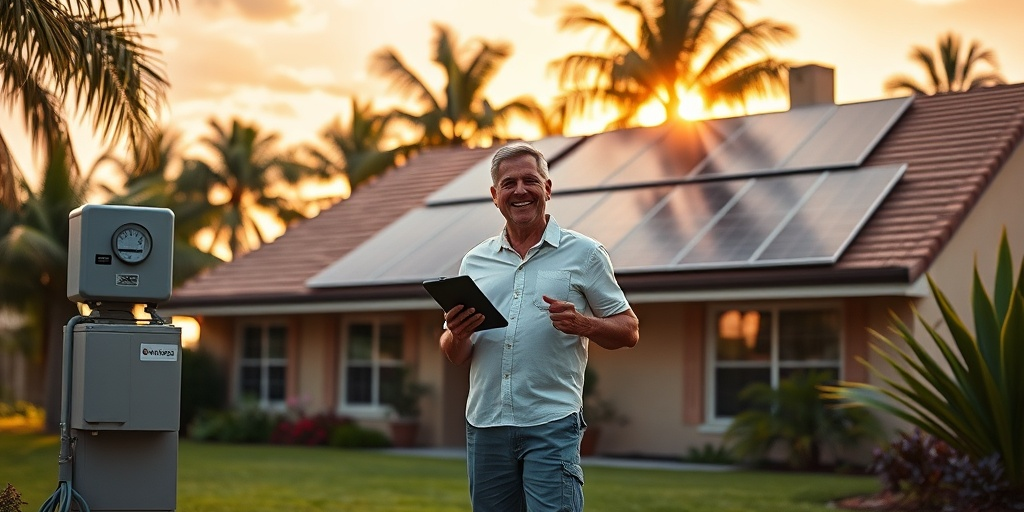
In a state bathed in sunshine, why are so many Florida homeowners still tied to the grid? A staggering 90% of Florida’s energy comes from fossil fuels, leaving residents at the mercy of rising utility costs, looming climate crises, and grid instability. Enter the remarkable story of one homeowner’s transformative journey to energy independence with solar solutions. This enlightening case study, titled How One Homeowner Achieved Energy Independence with Solar Solutions, illustrates not only the incredible potential for solar power but also the tangible return on investment (ROI) it can deliver. With the federal solar investment tax credit (ITC) set to phase down by 2026, 2025 is the year to act. This blog will guide you through key insights from this homeowner’s journey, a checklist for solar success, myths surrounding solar energy, Florida’s unique landscape, and a technical analysis of the equipment needed to achieve energy independence. Together, we’ll uncover how solar not only transforms homes but builds a sustainable future for all.
Case Study: One Homeowner’s Journey to Energy Independence
Meet Laura and Jeff, a couple living in sunny Sarasota, Florida. They were tired of unpredictable electricity bills that soared each summer, reaching upwards of $300 a month (SEIA.org). Unbeknownst to them, their solution was right above their heads. After researching solar solutions, they decided to take the plunge. What followed was a transformative journey from skeptical homeowners to enthusiastic advocates for solar energy.
Initially, Laura had doubts. The common myths surrounding solar energy weighed heavily on her mind. “Will we even save that much?” and “What if we can’t recoup our costs?” These questions echoed in her head as she feared making a wrong investment. However, they found that advancements in technology and local incentives could drive down costs significantly. In fact, homeowners in Florida can receive up to 26% back on installation costs through the solar ITC (Energy.gov), making solar much more attractive than it ever was before.
- Step 1: Research local solar providers – They compared options to ensure they selected a reputable company.
- Step 2: Schedule a consultation – A solar professional assessed their home and provided a tailored proposal.
- Step 3: Understand financing options – They learned about zero-down financing options and state incentives.
- Step 4: Installation process – They were amazed at how quickly their solar panels were installed.
- Step 5: Monitor energy production – Laura monitors their system’s performance through an app.
Throughout the process, they experienced the emotional rollercoaster of anticipation, anxiety, and finally, relief. Once the solar panels started generating electricity, Laura and Jeff felt the immediate impact: their energy bills dropped significantly. On a trial month, they reported a savings of over $200 (SolarReviews.com). Over the entire year, their savings nearly equated to the average Florida family’s annual grocery bill.
More than just financial relief, the couple felt empowered. Their home became an eco-friendly sanctuary, and they proudly shared their story with neighbors. In their local community, they observed a growing trend of solar installations unfolding, leading to a collective effort toward sustainability.
For Laura and Jeff, their journey didn’t end with the installation. They actively educated others on the benefits of solar, noting that Florida has some of the best conditions for solar power production due to its long sunlight hours year-round. In fact, Florida ranks third in the nation for solar capacity, trailing only California and Texas (SEIA.org), and has a goal of achieving 40% of its energy from renewable sources by 2030.
Their story is a reminder that energy independence is not only a worthy goal but an achievable reality for countless Florida homeowners. In the coming years, the state is poised for a solar boom, fueled by policy shifts, financial incentives, and rising public awareness. As our case study reveals, decisions made today will resonate through 2025 and beyond.
Transitioning to solar not only helps combat climate change but also strengthens local economies. It contributes to job creation in installation and maintenance industries, making solar a powerful engine for change in Florida.
Essential Checklist for Your Solar Transition
Embarking on your solar journey can be daunting, but with careful planning and the right checklist, you can streamline the process. Below, we present vital steps to consider:
- Step 1: Audit Your Energy Needs – Before diving into solar solutions, evaluate your energy usage for the past year. Look at your electric bills and consider whether you want to generate enough energy to cover 100% of your usage. This understanding will set the stage for the size and composition of your solar system.
- Step 2: Research Local Incentives – Every penny counts! Florida offers homeowners various incentives for going solar. Be sure to check local policies that may offer unique programs, grants, or rebates to make your transition even more affordable.
- Step 3: Compare Solar Companies – Don’t settle on the first offer you receive. Collect quotes and compare the warranty, installation process, and company reputation. Look for reviews and testimonials to ensure you partner with a credible provider.
- Step 4: Understand Your Financing Options – There are different ways to go solar: purchase, loan, lease, or power purchase agreements (PPAs). Discuss these with potential solar providers to understand which option fits your financial landscape.
- Step 5: Monitor System Performance – After installation, use monitoring tools to track your solar system’s production and savings. Apps can offer insights into how your system performs and any needed maintenance.
Utilizing this checklist can demystify the solar process, ensuring you’re well-equipped to make informed decisions. As you begin planning, remember: floridaelectricandsolar.com is a valuable resource available to assist in your solar journey.
Solar energy is not just a trend—it’s becoming a staple in homes across Florida. Public sentiment is shifting, with more residents recognizing the benefits of claiming their energy independence. The urgency to act has never been greater as federal incentives are set to diminish, compounded by rising utility costs and the ongoing discussion surrounding climate resilience. Confirming your interest now places you ahead of the curve.
Debunking Common Solar Myths: What Every Florida Homeowner Should Know
In the pursuit of energy independence with solar solutions, misinformation can cloud judgment. Thankfully, dispelling commonly held myths about solar energy is a significant step toward clarity. Let’s tackle five of these myths head-on:
- Myth #1: Solar Panels are Too Expensive – While the initial investment can appear daunting, consider the long-term savings. With incentives and financing options, solar systems often pay for themselves within a few years. A recent report shows that more than 90% of customers report satisfaction with their solar investment (SolarReviews.com).
- Myth #2: Solar Isn’t Worth It in Cloudy Weather – Florida’s geographic advantage means consistent sunshine, but even in less sunny conditions, solar panels still produce energy. In fact, modern solar technology utilizes a variety of wavelengths, ensuring production from sunny and cloudy days alike.
- Myth #3: All Roofs are Suitable for Solar Panels – Not every roof is suitable for solar panel installation. Factors such as orientation, pitch, and age play a role in its viability. Have a professional assess your roof’s suitability before committing to a solar system.
- Myth #4: Solar Energy Requires Constant Maintenance – Solar systems are generally low-maintenance. Routine cleanings and inspections are recommended, but once installed, they require few interventions beyond this. Most systems come with warranties covering parts and labor for decades.
- Myth #5: Solar Energy is Only for Homeowners – Many misconceptions lead to the belief that only homeowners can benefit from solar. In reality, renters can access solar power through community solar programs, providing them with a sustainable energy source without owning a home.
Understanding these myths enables homeowners to navigate the process with confidence, enabling a more informed decision while propelling Florida toward a cleaner energy future.
Understanding Florida’s Solar Landscape and Your Role
As Florida continues to position itself as a leader in renewable energy, understanding the local landscape is critical for homeowners considering solar solutions. The state has made significant strides in recent years, with clear policies encouraging solar adoption and sustainable development. As of 2023, Florida ranks among the top three states for solar power, with approximately 16% of its electricity generated from solar energy (SEIA.org).
Here are four essential considerations Florida homeowners should take into account:
- Incentives and Subsidies: Florida homeowners are eligible for various state and federal incentives that can reduce the cost of solar installation, making it more accessible.
- Net Metering Policy: Florida operates under a net metering system, allowing homeowners to receive credits for excess electricity generated by their solar panels, further enhancing the ROI.
- Local Weather Patterns: Although hurricanes and extreme weather can pose challenges, modern solar technology is engineered to withstand high winds and adverse conditions.
- Community Engagement: The push towards renewable energy in Florida involves grassroots events, community efforts, and educational workshops. Engaging with community organizations contributes to a culture of sustainability.
Each homeowner’s choice to adopt solar contributes to a larger movement towards energy independence and sustainable living in Florida. By harnessing the power of the sun, you are signaling a commitment to a resilient future, not just for yourself, but for generations to come.
Next Steps for Florida Solar Buyers in 2025
As 2025 looms on the horizon, the urgency for Florida homeowners to make informed decisions regarding solar energy cannot be understated. Here’s a succinct action plan to help you navigate the solar transition:
- Step 1: Audit Your Electric Bill – Begin by collecting your utility bills over the past year to analyze your energy consumption. This will help you understand how much energy you need your solar system to offset.
- Step 2: Conduct a Home Assessment – Make an assessment of your property. Is your roof in good condition? Do you have shading issues? An expert can help you identify suitable areas for installation.
- Step 3: Research Solar Providers – Identify credible local solar installers. Read reviews, check credentials, and get several quotes to compare solutions tailored to your home’s needs.
- Step 4: Evaluate Financing Options – Explore all available financing options, including loans, leases, and cash purchases to determine what fits your budget and financial goals best.
- Step 5: Schedule Your Installation – Once you’ve selected your provider, schedule your installation at a time that works for you, keeping in mind the best weather conditions.
Following these steps will ease the transition into solar energy. Connecting with the right professionals can make all the difference. Don’t forget that resources like floridaelectricandsolar.com are available to assist you as you embark on this journey.
Conclusion: Your Path to Energy Independence Awaits
From understanding the process to embarking on your journey, homeowners in Florida have the opportunity to transform their lives through solar energy solutions. Laura and Jeff’s story is just one of many that illustrates how energy independence is attainable. With rising energy costs and the invaluable incentives available in 2025, your journey towards solar energy begins now.
As you weigh the decisions ahead, consider not just the financial implications but the long-term benefits for the environment. By choosing solar, you’re investing not only in sustainable living but also in the future of Florida’s energy landscape.
The urgency to act is now—2025 is filled with opportunities for those ready to embrace change. Are you prepared to take the leap? Reach out to a certified expert and start your solar journey in 2025. An empowered future awaits—connect with a certified expert at floridaelectricandsolar.com today!
Related Articles
More insights about Solar Solutions

10 Steps to Increase Energy Independence with Solar Solutions

How One Business Achieved Energy Independence with Solar Solutions

How One Homeowner Achieved Energy Independence with Solar Solutions
Ready to Go Solar?
Have questions about solar energy? Our experts are here to help you make the switch to clean, renewable energy.