
How One Family Achieved Energy Independence with Solar Panel Installation
Share:
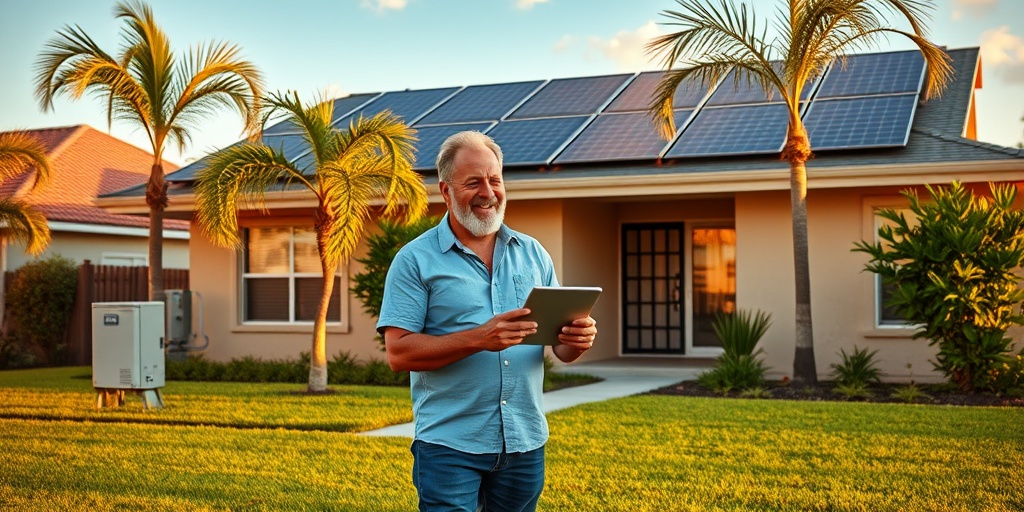
Did you know that solar energy could significantly reduce your electric bills, allowing your family to achieve true energy independence? In fact, homeowners with solar panels in Florida have reported up to a 70% decrease in their energy costs (SEIA.org). As utilities continue to increase their rates, choosing solar power could be your best financial decision of 2025. In this post titled How One Family Achieved Energy Independence with Solar Panel Installation, we’ll unveil the inspiring journey of a Florida family who transformed their energy consumption and discovered the benefits of solar ownership. The urgency to switch to solar has never been more palpable, with the Inflation Reduction Act still impacting incentives for clean energy projects. There’s no better time than now, as solar incentives will expire in the coming years. With the combination of a rising cost of living and a daunting energy market, Florida homeowners have a pressing reason to consider solar power.
In our journey through this case study, we’ll cover the emotional ride of this family, breaking it down into five structured sections:
- A deep dive into the family’s case study, showcasing their specific challenges and solutions.
- An actionable checklist designed for those looking to achieve similar energy independence.
- A myth-busting segment that dispels common misconceptions about solar energy in Florida.
- An exploration of local incentives and programs designed specifically for Florida homeowners.
- An in-depth look at solar technology, policies, and best practices for 2025.
Now, let’s begin the journey of how one family achieved energy independence with solar panel installation, showing you how you can benefit too!
From Skepticism to Solar Power: The Smith Family’s Journey
The Smiths had always been wary of new technologies—especially those made out to be environmental saviors. Living in sunny Miami, they paid much attention to their growing electric bills as new utility rates rolled in. With an average monthly bill of around $250, their skepticism about solar energy began to dwindle as they heard stories from neighbors who were reaping the benefits. Little did they know, their journey toward energy independence was just around the corner.
Determined to make an informed decision, the Smiths scheduled consultations with a few different solar companies. They learned that Florida offers an array of incentives for solar panel installation. For instance, the state of Florida offers a property tax exemption for solar energy systems, meaning increased savings for homeowners (SolarReviews.com). After seeing how much their neighbor saved after implementing solar over the previous year, they finally took the plunge.
But how exactly did the Smiths achieve energy independence? Here’s a concise checklist to guide you through the steps they undertook:
- Step 1: Assess Energy Consumption: The Smiths first reviewed their past utility bills to calculate their energy load.
- Step 2: Research Solar Installation: They researched various solar installation companies in Florida for their options.
- Step 3: Financial Incentives: The family discovered and applied for the federal tax credit, further enhancing their financial viability (NREL.gov).
- Step 4: Installation Decisions: The Smiths selected a high-efficiency solar panel system coupled with battery storage for maximum energy independence.
- Step 5: Monitor and Optimize: Finally, they used an app to monitor their system and adjusted usage habits to optimize solar savings.
Notably, one of the myths the Smiths encountered during their research was the belief that solar power was only feasible for those with large roofs or financial freedom. This myth often prevents many families from exploring solar options. In reality, assessing the home’s orientation, roof type, and local climate plays a pivotal role in determining solar viability.
Common Myths About Solar Energy: Debunking the Misconceptions
Myth #1: Solar is too expensive. Many homeowners think that going solar requires a hefty upfront investment, but financing options and state incentives can significantly reduce initial costs.
Myth #2: Solar panels are not efficient. Innovations in solar technology have dramatically improved efficiency ratings, with some panels achieving over 22% efficiency (Energy.gov).
Myth #3: Solar systems only produce energy during the day. Although solar panels do generate most electricity during the day, battery storage systems can store energy for use after sunset.
Myth #4: Solar energy isn’t beneficial in cloudy areas. Florida’s ample sunshine makes it one of the best states for solar; even on cloudy days, panels capture sufficient sunlight for efficiency.
Myth #5: You need a perfect roof to install solar. There are options available even for homes with less-than-ideal roofs, such as ground-mounted solar systems.
Breaking down these myths helped the Smith family feel more informed about their options. They learned firsthand that solar energy isn’t just a trend; it is a long-term investment that allows families to own their power and curb energy dependence.
Florida-Specific Benefits for Solar Buyers
Florida is known for its sun-rich climate, but what does that mean for solar buyers in 2025? Here’s a focused list highlighting specific benefits available to Florida homeowners:
- Net Metering: Florida has a net metering policy that allows homeowners to receive credits for excess energy produced, translating to lower bills and savings.
- Sales Tax Exemption: Solar panel installations are exempt from sales tax, making the investment even more affordable.
- Increased Property Value: Homes with solar energy systems can have higher property values (Zillow.com).
With these incentives and benefits, the Smith family felt confident knowing they were making a sound investment that would pay off both financially and environmentally.
To further enhance their knowledge, the Smiths relied on resources from floridaelectricandsolar.com to help navigate the complexities of solar energy. The abundance of information helped them formulate a concrete plan towards energy independence.
5 Expert Solar Installation Tips for 2025
As you navigate your solar journey, consider these best practices to ensure an effective installation that maximizes your returns:
Select the right installer: Choose a trusted, experienced solar installation company with strong verifiable reviews and a history of successful installations.
Understand your energy needs: Begin by auditing your energy consumption and understanding peak usage hours to optimally size your solar system.
Research financing options: Explore multiple financing avenues, including leases, power purchase agreements, and loans. Each has its benefits depending on your financial situation.
Don’t skimp on equipment: Invest in high-quality solar panels and inverters tailored to your needs. The upfront cost may be higher, but the long-term benefits are substantial.
Stay informed on incentives: The solar industry is dynamic; always check for updates on local, state, and federal incentives to ensure you maximize your return.
By adhering to these expert tips, you can navigate the pathway toward achieving energy independence with confidence, just like the Smith family.
Next Steps for Florida Solar Buyers in 2025
Feeling inspired by the Smith family’s solar journey? Here’s a concise action plan to help you get started:
- Step 1: Audit Your Electric Bill: Analyze your electric consumption and peak usage times to understand what your solar system needs to produce.
- Step 2: Research Installation Companies: Look for reputable solar installers in Florida, reading reviews and checking credentials.
- Step 3: Assess Your Financing Options: Evaluate your budget and financing options, comparing prices and features of different policies.
- Step 4: Explore Incentives: Keep updated on current state, local, and federal incentives related to solar energy installations.
- Step 5: Schedule an Installation: Once you’ve made your informed choice, set a timeline for installation and begin your journey toward energy independence.
Engaging with resources can be invaluable. Don’t hesitate to reach out to floridaelectricandsolar.com for personalized support and guidance on your solar journey.
Conclusion
The Smith family’s story is one of determination, curiosity, and ultimately, inspiration. Their quest for **energy independence** serves as a beacon for millions of Florida homeowners searching for practical solutions to mitigate escalating utility bills. Transitioning to solar isn’t just about cutting costs; it’s about taking control of your energy future. The personal benefits extend beyond financial savings, like contributing positively to the environment and supporting sustainable energy practices.
As we approach 2025, the urgency to embrace solar power is amplified by rising energy costs and dwindling incentive timelines. Homeowners who act swiftly will enrich their lives with sustainable savings while investing in their family’s future.
Ready to start your solar journey in 2025? Connect with a certified expert at floridaelectricandsolar.com today.
Related Articles
More insights about Solar Panel

Florida Homeowners: Why Solar Panel Maintenance Is Essential

7 Essential Steps for Solar Panel Installation Success

Expert Insights: Key Factors Influencing Solar Panel Lifespan
Ready to Go Solar?
Have questions about solar energy? Our experts are here to help you make the switch to clean, renewable energy.