
How One Florida Business Benefited from Solar Panel Installation
Share:
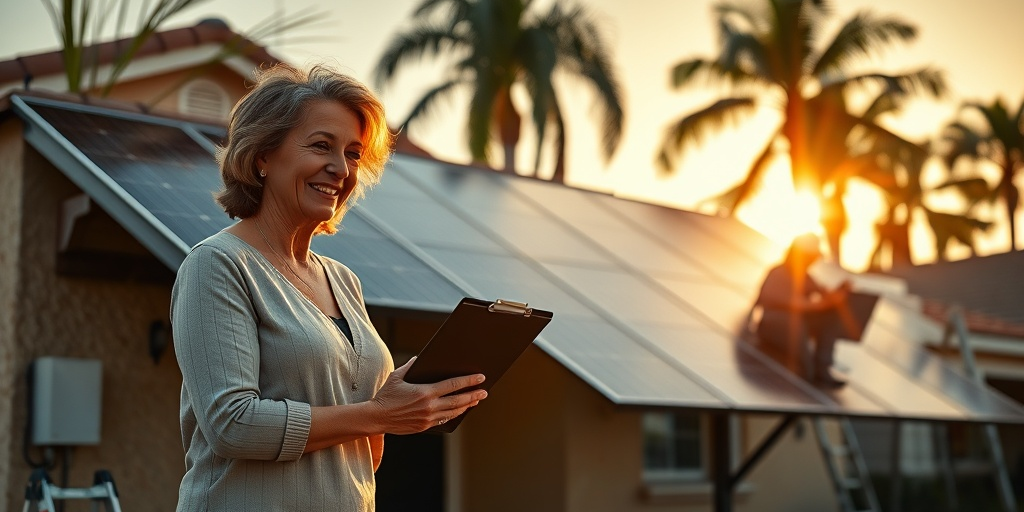
Did you know that solar energy adoption in Florida has surged by more than 160% in the last five years? This astounding figure highlights not only the growing interest among homeowners and businesses but also the tangible benefits of solar power, including lower energy bills and greater sustainability. If you’re a Florida property owner considering the switch to solar in 2025, you’re not alone in your curiosity about how effective these systems can truly be. In this article, titled How One Florida Business Benefited from Solar Panel Installation, we delve into a compelling case study of a Florida-based business that transformed its energy strategy through solar panel installation. This story is particularly relevant today against the backdrop of rising energy costs and expanding solar incentives, urging Florida homeowners and commercial property owners to take action now.
In this comprehensive piece, we will explore how this business embraced solar energy, the steps they took to get there, and how you can implement similar strategies in your own journey. We’ll also debunk common myths about solar power, delve into technical aspects, and outline best practices for installation and maintenance. As energy demands continue to evolve, understanding the value of solar energy is not just beneficial—it’s essential for your financial future and the environment.
Get ready to unpack the following sections:
- The transformative case study highlighting one Florida business’s switch to solar.
- A checklist for evaluating your readiness to go solar.
- Myth-busters addressing common misconceptions about solar power.
- Insights specific to Florida’s solar landscape and policies.
- A technical deep dive into how solar installations work.
Real-World Impact: How One Florida Business Benefited from Solar Panel Installation
Imagine a bustling Florida café known for its artisanal brews and delicious pastries. Located in the heart of a vibrant neighborhood, this business faced a concerning challenge—rising electricity costs that threatened to eat into their profits. In 2022, the owner, Sarah Lane, began exploring alternatives to alleviate her escalating energy expenses. After much research and consultation, she decided to invest in solar panel installation.
Sarah’s first step in this journey was analyzing her energy consumption. She discovered that her café consumed about 20,000 kWh annually, leading to electricity bills soaring over $2,500 each month. Taking a leap of faith, Sarah contacted Florida Electric & Solar for a detailed proposal tailored to her business needs. The initial assessment revealed that with an optimal solar panel system and incentives available in 2025, Sarah could potentially reduce her electricity costs by an impressive 75% within the first few years.
After careful consideration, Sarah moved forward with a 50 kW solar panel system that included battery storage. The integration of batteries meant that her café could store excess energy generated during sunny days for use at night or during cloudy periods. This not only provided energy savings but also enhanced her resilience against power outages, which are not uncommon in Florida’s stormy seasons. Such foresight paid off remarkably, allowing the café to operate smoothly even during energy-sapping summer months.
The decision wasn’t without its doubts. Many small business owners are apprehensive about upfront costs, which can be a substantial hurdle for investing in solar energy. However, Sarah took advantage of several existing policies, such as the Federal Solar Investment Tax Credit (ITC), allowing her to claim 26% of the installation costs back as a tax credit. In addition, local solar incentive programs further eased the financial burden. Ultimately, her café’s upfront investment was significantly minimized, tipping the scales in favor of the solar transition.
Since installing the solar panels, Sarah has not only noticed a massive drop in her energy bills, but the café has also experienced a surge in clientele who appreciate her commitment to sustainability. In the first year, her business saw over a 30% increase in customers, partly due to vigorous marketing about their environmentally friendly practices. According to a survey by the Solar Energy Industries Association, 67% of consumers prefer supporting businesses that employ renewable energy sources (SEIA.org).
As a result of these changes, Sarah’s café now operates with an average monthly electricity bill of less than $500—an enormous savings that directly contributes to keeping her prices competitive and maintaining staff employment during economic fluctuations. The benefits have extended beyond mere dollars; by utilizing solar energy, Sarah has reduced her company’s carbon footprint by an estimated 35 tons of CO2 emissions per year, which resonates strongly with eco-conscious customers.
This inspiring story of transformation showcases not just the financial impact, but the larger implications of going solar for Florida businesses. With energy prices continuously shifting and solar technology becoming more advanced, anticipation for the industry in 2025 is at an all-time high. If Sarah’s experience has shone a light on the advantages of solar energy for businesses, what might it mean for you as a Florida homeowner?
Now, let’s explore the actionable steps you can take to start your own solar journey and make a meaningful impact on your finances and the environment.
Your Solar Journey: A Step-by-Step Checklist to Get Started
Transitioning to solar power is a journey, and to help you navigate it successfully, we’ve crafted a useful checklist, detailing the actionable steps for every Florida homeowner considering solar in 2025.
- Step 1: Evaluate Your Energy Needs
- Step 2: Research Incentives and Loans
- Step 3: Choose the Right Installer
- Step 4: Design Your System
- Step 5: Understand Maintenance and Monitoring
Before venturing into the world of solar, take the time to audit your energy consumption. Review previous utility bills to understand your average monthly usage and peak times. This evaluation will serve as the basis for determining how much solar power you’ll need.
2025 is a critical year for solar incentives. Familiarize yourself with the Federal Solar Investment Tax Credit (ITC), state-specific programs, and financing options. Securing financial support can significantly reduce the upfront costs. For instance, with the ITC, you can receive up to 26% of your system cost back as a credit on your taxes.
Select a reputable solar installer with experience in Florida’s unique climate and regulations. Look for companies that are licensed, insured, and have a track record of successful installations, like Florida Electric & Solar.
Work with your installer to design a solar system tailored to your energy needs and roof configuration. Consider including battery storage for greater energy resilience and optimal utilization of solar power, based on Sarah’s success at her café.
After installation, it’s essential to establish a maintenance routine. Familiarize yourself with the monitoring systems to ensure your setup operates efficiently. Regular checks can prolong the lifecycle of your solar equipment and maximize your return on investment.
Each of these steps is crucial as you venture into the world of solar energy. With proactive planning, you stand to benefit significantly from reduced electric bills while contributing positively to the environment.
Myth-Busting: Separating Fact from Fiction in Solar Energy
As you consider the benefits of solar energy, you might encounter a variety of myths that could deter you. Let’s clear up a few common misconceptions about going solar and outline the facts that you should know.
- Myth #1: Solar Panels Don’t Work in Florida’s Humid Climate
Contrary to popular belief, Florida’s hot, sunny climate is ideal for solar panels. In fact, the average solar panel efficiency in Florida is reported to be around 20% (Energy.gov), making it an excellent environment for solar energy production. - Myth #2: Solar Energy is Too Expensive
The initial costs can be daunting, yet local and federal incentives significantly offset these expenses. In addition, Florida homeowners often see a return on investment within 5 to 7 years, due to lowered energy bills and the increasing value of their homes (SolarReviews.com). - Myth #3: Solar Panels Require Constant Maintenance
While it’s true that maintenance is necessary, solar panels are among the most low-maintenance renewable energy technologies. Regular cleaning and periodic inspection typically suffice to keep them functioning optimally (NREL.gov). - Myth #4: You Can’t Go Solar if You Rent
Even if you are a renter, there are options such as community solar programs or agreements with building owners to utilize shared solar systems (DSIREUSA.org). You can still participate in the solar revolution. - Myth #5: Solar Panels are Bad for Your Roof
Properly installed solar panels can actually protect your roof by providing a shield against the elements. As long as the installation is done by a qualified professional, your roof’s lifespan could be extended (SEIA.org).
Understanding the truth behind these myths can empower you to make informed decisions about solar. Don’t let misinformation hold you back from exploring the incredible savings and environmental benefits that solar power can provide.
Best Practices for Solar Installation in 2025
Thinking about going solar in 2025? Here are five expert tips to ensure a seamless installation process and maximize your solar savings.
- Start Early
Begin your solar journey as soon as possible. Planning ahead allows time for research, securing incentives, and choosing the right installer. Delaying could mean missing out on crucial benefits available in 2025. - Assess Your Roof’s Condition
Your roof must be in good condition before installing solar panels. If your roof needs repairs, address those first to avoid unnecessary costs and complications later on. - Invest in Quality Components
Choosing high-quality solar panels, inverters, and batteries may have higher initial costs but often yields better performance and efficiency over the lifespan of the system. Evaluate warranties and manufacturer reliability as these are significant indicators of quality. - Optimize Your Energy Usage
While transitioning to solar power, inspect your energy habits. Simple changes, such as using energy-efficient appliances and LED lighting, can enhance your overall savings. The less energy you consume, the quicker you’ll recoup your investment. - Monitor Your System Regularly
Once your solar system is installed, monitor its performance actively. This helps identify potential issues early on and ensures your system continues to perform efficiently.
Practicing these tips can empower you to navigate your solar journey successfully, helping you maximize your savings and make a positive impact on the planet.
Next Steps for Florida Solar Buyers in 2025
Taking the leap into solar energy can be daunting, but with a clear action plan, you can navigate the process smoothly. Here’s a concise roadmap for Florida homeowners to confidently adopt solar power in 2025.
- Audit Your Electric Bill
Understand your monthly energy usage and costs. Separate peak and off-peak usage to optimize your solar setup. - Explore Solar Incentives
Research various local, state, and federal incentives available to offset installation costs. Use tools to evaluate how these benefits can reduce your overall expenses. - Engage with a Trusted Installer
Contact a reputable installer—such as Florida Electric & Solar—who can guide you through the entire process and provide an accurate quote tailored to your needs. - Plan Your Installation Timeline
After selecting an installer, discuss a timeline for installation and be prepared for inspection schedules that may impact your business or home life. - Stay Informed About New Developments
As solar technology and policies evolve, remain informed about industry trends and legislative changes that could benefit your setup in the future.
These steps not only make the transition to solar manageable but also empower you to act decisively in implementing your solar power system.
Conclusion: Seize the Solar Opportunity in 2025
Transitioning to solar energy isn’t just a financial decision; it’s an impactful lifestyle choice that affects your community, environment, and future generations. Just like Sarah’s café, which successfully transitioned to solar energy and reaped the multiple benefits, Florida homeowners can seize a similar opportunity to make a lasting impact—as energy prices march ever upward, we keep our electric bills in check while promoting sustainable practices.
The collective growth of businesses and homeowners embracing solar power creates a ripple effect that contributes to a cleaner, greener Florida. In 2025, with an array of incentives and groundbreaking advancements in technology, there has never been a more favorable time to embark on this journey. Remember, every bit of energy we save contributes to a brighter future.
Ready to start your solar journey in 2025? Connect with a certified expert at floridaelectricandsolar.com today.
Related Articles
More insights about Solar Panel

Florida Homeowners: Why Solar Panel Maintenance Is Essential

7 Essential Steps for Solar Panel Installation Success

Expert Insights: Key Factors Influencing Solar Panel Lifespan
Ready to Go Solar?
Have questions about solar energy? Our experts are here to help you make the switch to clean, renewable energy.