
How One Florida Family Maximized Savings with Solar Panel Installation
Share:
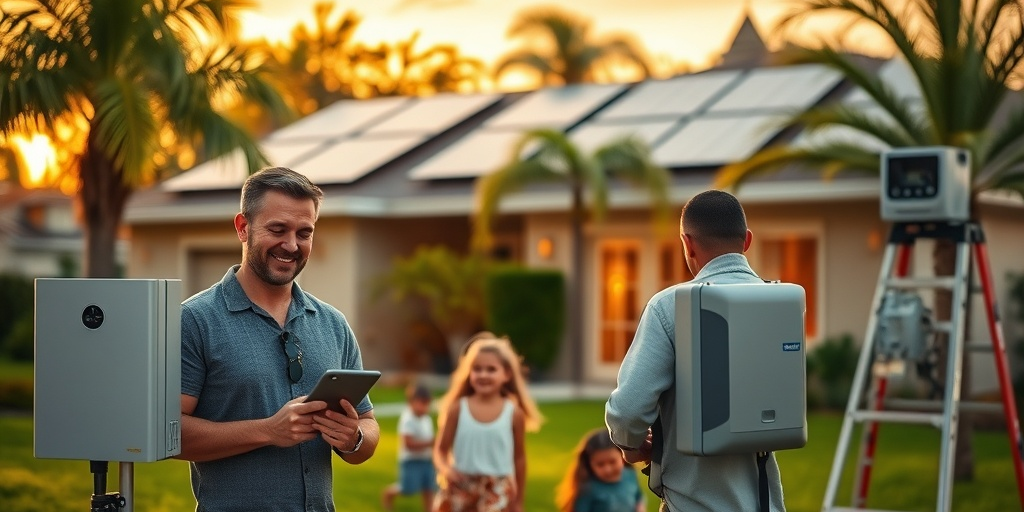
In the sunny state of Florida, where the average energy bill can soar up to $250 per month, it’s no wonder homeowners are increasingly turning to solar power for a sustainable and cost-effective solution. Did you know that, on average, solar energy systems can save families around $1,500 annually on their electricity costs? And as of 2025, the federal tax credit for solar installations can still provide a healthy 30% rebate, making now the perfect time to consider transitioning to solar energy. In this article titled How One Florida Family Maximized Savings with Solar Panel Installation, we’ll delve into the inspiring journey of the Rodriguez family, who successfully made the switch to solar—and how you can follow in their footsteps to achieve similar financial benefits.
The urgency to embrace solar energy in 2025 is more pressing than ever. With energy prices projected to rise by nearly 25% over the next decade (Energy.gov), Florida homeowners are presented with an opportunity to not only save money but also create a reliance on renewable energy sources. Additionally, recent changes in legislation are making solar energy more accessible and user-friendly, especially in regions like Florida, where sunshine abounds.
In this post, we will explore five critical sections: 1) A comprehensive case study of the Rodriguez family’s solar journey, 2) A checklist on the steps you need to take for a solar installation, 3) A myth-busting segment addressing common misconceptions about solar energy, 4) A local focus on Florida-specific data that reinforces the benefits of going solar, and 5) A technical deep dive into the hardware and financing options available for solar systems. By the end of this article, you’ll have all the information needed to confidently embark on your own solar journey.
Transformative Solar Experiences: The Rodriguez Family’s Journey
In mid-2023, the Rodriguez family found themselves burdened by rising electricity costs and concerns about environmental sustainability. Living in Sarasota, Florida, the Rodriquez family of four faced monthly utility bills that regularly hit $300. The family orchestrated a meeting to discuss their energy consumption and alternatives. It was during this discussion that they first encountered the idea of installing solar panels.
The Rodriguez family was skeptical at first, holding reservations about the initial costs and potential return on investment. However, after reaching out to Florida Electric & Solar for a consultation, they learned that the long-term financial benefits significantly outweighed any upfront investments. Their customized quote revealed that they could save up to $1,500 annually through reduced energy bills, as supported by the National Renewable Energy Laboratory (NREL). Furthermore, with Florida’s net metering policies, they could sell excess energy back to the grid, further enhancing their savings.
- Step 1: Evaluate your energy consumption. The Rodriguez family began this journey by analyzing their electricity usage over the past year.
- Step 2: Research solar installation companies in Florida. They compared several providers, focusing on customer reviews and testimonials.
- Step 3: Understand financing options. They found a suitable financing plan allowing them to reduce initial costs without sacrificing quality.
- Step 4: Survey your property. The solar company conducted a site assessment to determine the optimal panel placements based on their roof angle and shading.
- Step 5: Installation and setup. After signing contracts, the installation took just two days!
The Rodriguez family’s experience highlights a growing trend in too many Florida homes: a transition facilitated by a comprehensive understanding of renewable energy solutions—a vital factor in combating rising energy costs. Not only did their new solar panels reduce their monthly utility bills, but they also felt a sense of pride knowing they were contributing positively to the environment.
The decision to go solar is now more accessible than ever, especially for Florida homeowners. According to the Solar Energy Industries Association (SEIA), Florida ranks third in the nation in installed solar capacity, highlighting the growth of this clean energy source within the state. Transitioning to solar energy allows families to take control of their energy future while maximizing savings.
Essential Steps in Your Solar Journey
Switching to solar is an exciting adventure that can lead to substantial savings and benefits for your family and the environment. To help you navigate this process, here are five key steps you should consider before embarking on your solar installation:
- Conduct an Energy Audit: Start by understanding your current energy usage. Review your electricity bills to determine your average monthly cost and peak usage times. This will give you a baseline to work from when considering a solar system.
- Research Solar Providers: It’s essential to choose a reputable solar installation company. Look for companies with positive reviews, quality customer service, and solid warranties. A reliable provider like Florida Electric & Solar can guide you to the best choices.
- Evaluate Financing Options: There are various financing options available, including solar loans, leases, and power purchase agreements (PPAs). Each has its pros and cons, so consider what makes sense for your financial situation.
- Assess Your Home’s Solar Potential: The orientation, angle, and shading of your roof significantly affect how much energy your solar panels will generate. A solar assessment will help you determine if your home is suitable for solar installation.
- Schedule Installation: Once you’ve signed the necessary paperwork and secured financing, schedule the installation. Most systems can be installed in just a few days, and you’ll start seeing savings almost immediately.
By following these steps with careful attention to detail, you can ensure a smooth transition to solar energy. The Rodriguez family documented their journey and shared it with relatives, encouraging them to consider making the switch as well—a testament to the growing trend of solar adoption across Florida.
Myths About Solar Energy Debunked
As you consider making your own transition to solar energy, it’s essential to separate fact from fiction. Here are some common myths about solar energy that the Rodriguez family also encountered early in their research:
Myth #1: Solar Panels Are Too Expensive.
Many homeowners believe that the upfront costs of solar panels are insurmountable. However, with financing options and federal tax credits, the initial investment becomes much more manageable. In fact, the SEIA reports that the average cost of solar systems has dropped by over 70% since 2010, making solar an increasingly affordable option.
Myth #2: Solar Power Only Works in Sunny Areas.
While Florida does indeed enjoy ample sunshine, solar panels can still generate electricity on cloudy days. The technology has advanced significantly to ensure efficiency even in less than ideal weather conditions.
Myth #3: Solar Energy Requires Constant Maintenance.
In reality, solar panels require minimal maintenance, primarily the occasional cleaning to ensure efficiency. Most solar providers, including Florida Electric & Solar, offer warranties that cover maintenance and repairs, providing peace of mind.
Myth #4: Solar Is Just a Fad.
Solar energy is not a trend; it’s a fundamental shift towards sustainable energy solutions. With governmental incentives and increasing public awareness of climate change, solar energy adoption is expected to grow steadily over the next decade.
Myth #5: I Own My Home, So I Can’t Use Solar Energy.
This misconception can deter homeowners from even considering solar solutions. Even renters can benefit from community solar programs in Florida, allowing them to access solar energy without owning their rooftops.
By debunking these myths, you can approach the idea of solar energy with a more informed perspective, just like the Rodriguez family did. They took their research seriously and became advocates for renewable energy, demonstrating how dissemination of knowledge can empower change.
Florida-Specific Advantages of Going Solar
Solar energy is particularly advantageous for residents of Florida, given the state’s commitment to renewable energy and its abundant sunlight. Here’s a closer look at some Florida-specific benefits that many homeowners are now leveraging:
- Net Metering: Florida allows for net metering, which means homeowners can sell excess energy their solar panels produce back to the power grid. This policy significantly enhances the potential financial benefits of switching to solar energy, which was a deciding factor for the Rodriguez family.
- State Incentives: In addition to the federal tax credit, the state of Florida offers various incentives for solar installations. Many counties have property tax exemptions for solar energy systems, which can further reduce financial burdens.
- Reduced Electricity Costs: On average, solar panels can reduce energy bills by 70% for homeowners, offering significant savings. The Rodriguez family is just one example of how transitioning to solar can dramatically lower monthly expenses.
- Environmental Impact: By adopting solar energy, Florida homeowners contribute to a reduction in greenhouse gas emissions. In 2020, the NREL reported that solar power resulted in the offset of over 66 million metric tons of CO2 emissions nationwide.
- Increasing Property Values: Homes equipped with solar energy systems typically see an increase in market value by 4.1% compared to homes without them. This statistical proof was vital to the Rodriguez family when considering their long-term investment.
These facts demonstrate that Florida is not just a great place to install solar energy systems due to abundant sunshine, but also thanks to favorable policies and economic benefits. With ongoing incentives and a supportive community, homeowners can make the transition to solar energy with confidence.
Creating Your Action Plan for Solar Installation
Are you ready to make solar energy a reality for your family? Here’s a comprehensive step-by-step action plan to ensure a seamless transition to solar power:
- Step 1: Audit Your Electric Bill. Analyze your past electricity bills to determine your average usage and how much you can potentially save by switching to solar.
- Step 2: Research Local Solar Providers. Look for reputable companies in your area and read customer reviews. Check what services they offer, including financing options and warranties.
- Step 3: Get Multiple Quotes. Don’t settle for the first quote you receive. Gather several estimates from different solar companies to compare options and determine the best fit for your budget.
- Step 4: Understand Your Financing Options. Decide what financing mechanism works best for you—loans, leases, or PPAs. Each has unique benefits, so consider your financial situation carefully.
- Step 5: Schedule Your Installation. After selecting a company and signing the contracts, work with your solar provider to schedule installation at a time that works for you.
By taking these steps, you will be well on your way to maximizing your savings and securing a cleaner energy future. The Rodriguez family not only improved their quality of life with solar energy, but they also continue to advocate for others in their community, underscoring how pivotal their decision has been.
In 2025, taking the plunge into solar energy is not just a wise financial move; it’s a smart investment in our planet’s future. The journey might have its challenges, but the rewards are immense. Whether it’s lowering your bills, increasing your home’s value, or engaging in environmental victory, the time to act is now. Are you ready to make a similar leap?
As the Rodriguez family discovered, making the transition to solar energy is much more than just an investment in technology; it’s investing in your family’s future and the planet. Their story can be your story!
Ready to start your solar journey in 2025? Connect with a certified expert at floridaelectricandsolar.com today.
Related Articles
More insights about Solar Panel

Florida Homeowners: Why Solar Panel Maintenance Is Essential

7 Essential Steps for Solar Panel Installation Success

Expert Insights: Key Factors Influencing Solar Panel Lifespan
Ready to Go Solar?
Have questions about solar energy? Our experts are here to help you make the switch to clean, renewable energy.