
How One Florida Homeowner Achieved Energy Independence with Solar Panel Installation
Share:
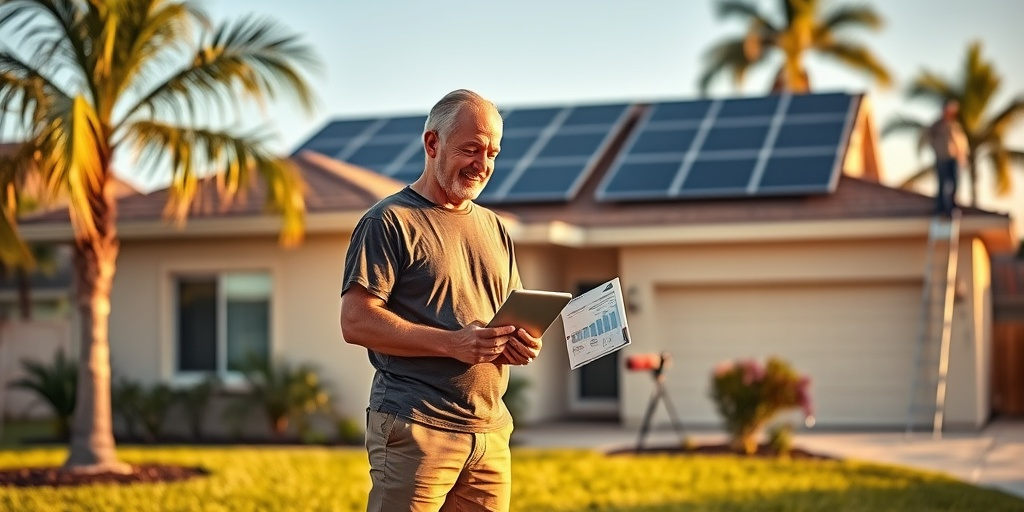
In the sunshine state where the sun shines bright for most of the year, one bold statistic continues to compel Florida homeowners: over 80% of Floridians believe that solar energy is the key to reducing their energy costs and securing a sustainable future (SolarReviews.com). So, what if we told you that one Florida homeowner took that belief to heart and transformed their life with a solar panel installation? The story of how one Florida homeowner achieved energy independence with solar panel installation serves as an inspiring case study for those still sitting on the fence. Not only did this homeowner enjoy substantial savings on their utility bills, but they also contributed positively towards fighting climate change. In 2025, as Florida braces itself for rising energy costs and potential grid instability due to climate change, exploring such stories has become more urgent than ever. In this blog post, we will delve into the journey of this homeowner and reveal how they navigated the solar landscape. Learn about the steps involved, challenge common myths, discover best practices, grasp essential technical details, and find actionable insights tailored for you. Here’s what you can expect to read next: the detailed case study of a real homeowner’s journey; a practical guide to take the plunge into solar; a myth-busting session revealing the truth behind common misconceptions; a focus on notable Florida-specific regulations; and finally, a technical deep dive into how solar panels work to benefit homeowners.
Case Study: One Florida Homeowner’s Journey to Energy Independence
The moment you step into Emily’s home in Ocala, Florida, it becomes evident that she is not just another typical homeowner; she’s a visionary. Several years ago, juggling rising utility costs and a deep-seated concern for the environment, she decided to make a drastic change by installing solar panels. Little did she know, this decision would lead her on a rewarding journey toward energy independence.
Emily’s journey began in early 2024 when she grew frustrated with her steadily increasing electric bills, which averaged a staggering $250 a month. Like many Floridians, she was tired of feeling beholden to the utility company while being unaware of how renewable energy solutions could alleviate this concern. While searching for viable solutions, she discovered that solar panels could not only significantly reduce her costs but also provide an environmentally friendly energy source. Florida boasts one of the highest solar potentials in the U.S, with a median system payback period of about 4.5 years (SEIA.org).
With excitement, Emily began her research on trusted solar providers in the region. After receiving many quotes, she decided to partner with Florida Electric & Solar, known for their exceptional customer service and competitive pricing. Their specialists helped her identify her energy needs and offered a customized solar configuration that could produce enough electricity to power her entire home. They explained how installing a solar battery would enable her to store excess energy for use at night or for cloudy days, further amplifying her savings.
Following expert guidance, Emily made an informed decision to proceed with a 9kW solar panel system coupled with a 10kWh battery storage solution, bringing her initial investment to around $20,000 before incentives. Thanks to Florida’s Solar Energy System Incentives, she secured a 26% federal tax credit (at that time) and additional state rebates that significantly reduced her upfront costs. Colorado found itself on the brink of solar policy changes; therefore, her decision could hardly have been better-timed. In the years to come, the tax incentives along with favorable net metering regulations would only make the system more financially viable.
As the panels were installed, excitement peaked. Emily watched as her 36 sleek solar panels adorned her roof. The installation took just two days, and by the end of the week, she was generating power. What wasn’t just a monetary savings started to evolve into lifestyle changes; she found herself experimenting with new ways to engage her family in energy conservation activities. Furthermore, her home value increased, as real estate reports indicated that homes equipped with solar systems sold for 4.1% more compared to non-solar homes (Energy.gov).
Months rolled by, and after her first full year of operation, Emily’s investment paid off: her utility bill had plummeted to as low as $30 per month, covering only the grid connection fees. She started saving over $2,000 annually—money that now goes toward her daughter’s college fund. Emily no longer fears price hikes from utility companies; her decision to invest in solar energy had not only made her home self-sufficient but had also instilled confidence in facing future energy uncertainties.
Despite weather-related blackouts in areas across Florida, Emily’s battery storage has ensured she and her family remain unaffected. Her home has become a sanctuary, showcasing the transformational power of solar energy. Today, Emily advocates for renewable energy in her community, encouraging others to take the leap just like she did—proving that energy independence isn’t just a dream, but rather a tangible reality that can be achieved.
Emily’s commitment to sustainable living proves beyond a doubt how energy independence can lead to profound benefits, both personally and environmentally. For other Florida homeowners contemplating solar installation, let her journey serve as a catalyst to spark action.
5 Key Steps to Going Solar
Embarking on the journey towards solar energy can feel overwhelming, but fear not! Here’s a simple checklist to guide you through the process and help ensure you enjoy the same magnificent results that Emily did. By following these five key steps, you’ll maximize solar savings, optimize your energy usage, and move towards energy independence.
- Step 1: Audit Your Electricity Consumption
Start by reviewing your electricity consumption over the past year. This includes examining your monthly utility bills and determining peak energy usage times. This information is crucial to understanding the size of the solar install needed. - Step 2: Research Solar Providers
Search for reputable solar companies in your area, focusing on their customer reviews, certifications, and portfolio of past installations. Engage in conversations and gather multiple quotes to feel empowered in making the best choice for your needs. - Step 3: Understand Available Incentives
Familiarize yourself with federal and state incentives available for solar installation. For instance, as of 2025, the recently extended federal tax credit provides a unique opportunity that could significantly lower your initial costs (SEIA.org). - Step 4: Choose Your System
After talking to several providers, identify the system configuration that best suits your energy profile. Consider the balance between solar panels, inverters, and battery storage for optimal performance and savings. - Step 5: Monitor and Maintain
Once installed, regularly monitor your solar system’s performance. Utilize apps or monitoring services offered by your provider to track energy production, and schedule routine maintenance checks to ensure your system continues to perform efficiently.
Each step in this checklist is crucial to ensure a seamless transition to solar energy, reducing any friction in your solar buying journey. If you want to get started or have questions, consider visiting floridaelectricandsolar.com for more resources and assistance.
Myths About Solar Energy: Busted!
As the solar energy landscape continues to evolve, common misconceptions often make potential buyers hesitate. Here, we’ll unpack some prevalent myths and provide clarifying truths supported by data to advocate for switching to solar energy. It’s time to dispel some of these myths for good.
- Myth #1: Solar Panels are Too Expensive
Many believe that solar panels are not worth the investment. However, average costs have dropped over 70% since 2010, and with solar tax incentives, the initial costs may be recouped in as little as 4.5 years (SEIA.org). - Myth #2: Solar Panels Require Too Much Maintenance
In actuality, solar systems are built to last for decades with minimal maintenance required. Basic cleaning and occasional inspections are sufficient to keep panels functioning efficiently. - Myth #3: Solar Energy Isn’t Reliable
Some people assume solar isn’t dependable during cloudy or rainy days. In truth, solar panels continue to work at reduced capacity during cloudy weather, and battery storage can provide necessary backup power. - Myth #4: You Can’t Benefit from Solar if You Rent
Even renters can benefit through power purchase agreements or community solar programs, allowing access to solar grids without needing to buy solar panels outright. - Myth #5: Solar Panels Cause Damage to Your Roof
Installing a solar system does involve penetrating your shingles, but when installed correctly by professionals, the chances of causing damage are minimal, and warranties typically cover the roof for future installation considerations.
Debunking these myths creates clarity for Florida homeowners regarding solar energy’s ample benefits. Challenges faced by new adopters can be mitigated while making informed choices, leading to solid decisions in favor of solar.
Florida-Specific Insights on Solar Energy
When considering solar energy, understanding the local landscape, incentives, and regulations is crucial for any homeowner. Florida has positioned itself as a favorable location for solar development, and homeowners stand to gain from unique offerings. Explore the critical aspects that make Florida an excellent state for solar energy integration.
- State Tax Savings: Florida doesn’t impose state tax on the installation of solar energy systems, further lowering the cost of going solar.
- Net Metering: Under Florida’s net metering laws, homeowners with solar energy systems can sell excess power back to the grid, effectively offsetting costs even more.
- Growing Solar Market: Florida has established itself as one of the leading states for solar capacity, with significant growth expected as market demand increases (Energy.gov).
- Community Solar Initiatives: Many jurisdictions are rolling out community solar programs, allowing even homes without ideal roof conditions to access solar energy.
- Environmental Impact: Embracing solar energy aids in combating Florida’s climate vulnerabilities, which makes investing in solar an ecological concern beyond the financial benefits.
Making the choice to harness solar power doesn’t just provide financial benefits; it also demonstrates a commitment towards building a greener, cleaner planet.
Next Steps for Florida Solar Buyers in 2025
As the year 2025 unfolds, intent on stepping into the solar energy realm requires a strategic action plan. Are you ready to embrace energy independence and start saving? Here’s a detailed action plan to ensure you lay the groundwork effectively.
- Step 1: Analyze Your Electric Bill
Collect and evaluate your electric bills for the past 12 months. This will assist in forecasting your future energy needs. - Step 2: Choose Your Solar Company
Take the time to select a reputable solar company with a strong track record and excellent customer reviews. Get multiple quotes and understand their service offerings. - Step 3: Schedule a Home Assessment
Invite solar professionals for a site analysis to determine the best solar design tailored to your home. They will help clarify any local policies that could impact the installation process. - Step 4: Review Financing Options
Discuss financing alternatives, including loans, leases, or power purchase agreements, to find the option that best meets your financial situation. - Step 5: Prepare for Installation
Plan your installation date and prepare your home accordingly. Follow any specific requests from the contractor to ensure a smooth installation process.
The insights you gather through these steps will optimize your experience and facilitate a positive transition to solar energy. For someone eager to advocate for renewables while gearing toward looking ahead, check out floridaelectricandsolar.com to gain further resources and connect with solar experts.
In conclusion, the path to energy independence is incredibly achievable, as exemplified through Emily’s journey. Transitioning to solar reflects a commitment not only to curtail rising energy bills but also a dedication to sustainability that future generations can benefit from. These collective decisions foster a thriving market that may soon become the norm rather than the exception. Florida homeowners in particular stand to gain immensely by exploring their options: whether it’s saving money, increasing property value, or contributing positively to the environment, the advantages are undeniable. It’s an urgent moment to act in 2025. Ready to start your solar journey? Connect with a certified expert at floridaelectricandsolar.com today.
Related Articles
More insights about Solar Panel

Florida Homeowners: Why Solar Panel Maintenance Is Essential

7 Essential Steps for Solar Panel Installation Success

Expert Insights: Key Factors Influencing Solar Panel Lifespan
Ready to Go Solar?
Have questions about solar energy? Our experts are here to help you make the switch to clean, renewable energy.