
How One Florida Restaurant Achieved Solar Panel Installation Success
Share:
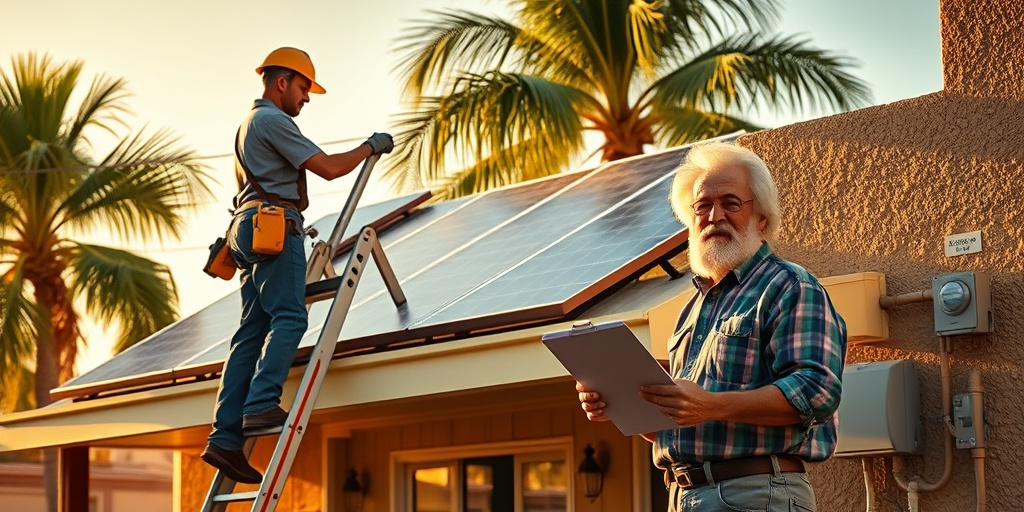
In 2025, energy costs are expected to rise by as much as 30%, prompting homeowners and business owners alike to seek sustainable alternatives to traditional power sources. Solar energy is not just a buzzword; it’s fast becoming a necessity for anyone looking to save money and contribute to a healthier planet. But how does one navigate the complexities of solar panel installation? The story of one Florida restaurant illuminates the pathway to success in this journey. In our exploration of How One Florida Restaurant Achieved Solar Panel Installation Success, we will dissect this inspiring case study while addressing common myths, best practices, and actionable steps for you to follow. Did you know that nearly 80% of Florida residents believe in the efficiency of solar energy? Furthermore, a report from the Solar Energy Industries Association reveals that Florida ranks among the top states in solar capacity. These statistics underscore the urgency and relevance of making the switch to solar power in 2025. In this blog, we will delve into:
- Section 1: A Deep Dive into the Case Study
- Section 2: Essential Steps for Successful Solar Installation
- Section 3: Debunking Common Solar Myths
- Section 4: Local Focus on Florida’s Solar Potential
- Section 5: A Technical Overview of Solar Power Components
If you’re ready to explore how solar energy can transform not only your home’s energy costs but also contribute to a sustainable future, then read on.
Turning Sunshine into Savings: A Case Study of Solar Success
Meet “Blue Wave Café,” a local seafood restaurant in sunny St. Petersburg, Florida, that decided to take a leap into the world of solar energy in early 2023. Faced with rising energy bills that consumed nearly 20% of their operating costs, the restaurant’s management realized a change was needed. The owners set out to transform this challenge into an opportunity for sustainability and profit. Their journey begins with a comprehensive energy audit, highlighting the potential savings that a solar power system could provide. With an investment backed by a combination of state incentives and federal tax credits, they planned for an 80-kilowatt solar array that promised to cut their electricity costs by up to 70%.
As part of this installation project, they carefully selected high-efficiency solar panels known for their durability and performance in Florida’s humid, coastal conditions. According to the National Renewable Energy Laboratory (NREL), Florida’s solar potential is enormous, with an average solar insolation rate that regularly exceeds 5.5 kWh/m² per day (NREL.gov). By considering the specific needs of their establishment, the owners chose to make their rooftop space not just functional, but a key contributor to their bottom line.
With this strategy, Blue Wave Café not only reduced its carbon footprint but also established itself as a leader in environmental responsibility within the community, attracting a new customer base interested in sustainability. Their story serves as a beacon of hope for other restaurant owners in Florida thinking about solar. Here’s how you can navigate your own solar installation journey alongside their successes:
- Conduct an energy audit to understand your consumption.
- Explore available state and federal incentives to ease upfront costs.
- Choose high-quality solar panels that perform well in humid conditions.
- Work with reputable solar installation experts to ensure compliance and quality.
- Monitor your system’s performance to maximize returns on investment.
Blue Wave Café’s successful pivot to solar power serves as a case study in intentional planning and community engagement. However, misconceptions about solar energy still abound. In the next section, let’s debunk some of the most common solar myths that could deter you from embracing this sustainable energy source.
5 Steps to Solar Success: Your Actionable Checklist
Transitioning to solar power can feel overwhelming, but it doesn’t have to be. Here’s a straightforward checklist that can simplify the process and set you on the path to success:
- Step 1: Audit Your Electric Bill – Start by reviewing your electricity usage and expenses. This will help you understand the potential impact of solar energy on your budget.
- Step 2: Research Incentives – Check what federal and state solar incentives are available in Florida. The Solar Energy Industries Association notes that programs like the Federal Investment Tax Credit (ITC) can substantially lower your costs (SEIA.org).
- Step 3: Choose a Reputable Installer – Opt for an experienced solar installation company. Research customer reviews and ask for recommendations to ensure you make an informed choice.
- Step 4: Understand Your Financing Options – Be sure to explore various financing options, including buying outright, loans, or leasing. Each has its benefits and challenges that require consideration.
- Step 5: Don’t Forget Maintenance – After installation, keep an eye on your solar system’s performance. Regular maintenance can ensure longevity and efficiency.
Each step is critical in navigating your solar journey. As you plan your solar transition, knowing the myths surrounding solar could save you time and hassle. Let’s clear up some common misconceptions.
Myths About Solar Energy: Fact vs. Fiction
While solar energy can seem promising, many myths can influence one’s decision-making process. Let’s debunk some of the most prevalent misbeliefs.
- Myth #1: Solar Panels Are Too Expensive – While the initial investment can be high, the long-term savings and available incentives often outweigh this cost. Studies show that most homeowners see a return on investment in under five years.
- Myth #2: Solar Energy is Not Efficient in Cloudy Weather – Solar panels can still function effectively during cloudy days, generating between 10% and 25% of their typical output. Florida’s climate is optimally suited for solar power (Energy.gov).
- Myth #3: Solar Panels Require Too Much Maintenance – Solar systems are designed with durability in mind and need minimal maintenance; occasional cleaning is often sufficient.
- Myth #4: Solar Will Damage My Roof – When installed by professionals, solar panels can be safely integrated into your existing roof without causing harm.
- Myth #5: Solar Energy Isn’t Renewable – Conversely, solar energy is one of the most sustainable energy sources available, being inexhaustible in the long term.
By debunking these myths, we hope to open your eyes to the potential solar energy has for your Florida home or business. Now, let’s explore the specific advantages that Florida’s unique landscape and policies can provide for solar enthusiasts.
Florida’s Solar Landscape: Local Insights
The sunshine state isn’t just famous for its beaches; it’s also a haven for solar energy development. Not only does Florida receive ample sunlight throughout the year, but its laws and regulations are also becoming increasingly favorable for solar investments. As of 2023, approximately 24% of Florida’s electricity comes from solar energy, propelling the state into the spotlight for clean energy initiatives. With incentives such as the Property Assessed Clean Energy (PACE) program, homeowners can finance energy improvements through property taxes, making solar installations more accessible than ever.
Understanding Florida’s regulatory landscape is critical for anyone considering a solar installation. Here are five pivotal aspects of Florida’s solar regulations:
- Net Metering – Homeowners can receive credits for excess electricity generated, which can offset future energy bills.
- Solar Access Laws – These laws ensure that homeowners maintain access to sunlight for their solar panels.
- Property Tax Exemption – Solar installations are exempt from property taxes, meaning your property value can increase without financial penalties.
- State Rebates and Incentives – Various programs exist to aid residents in offsetting installation costs and enhancing affordability.
- Interconnection Standards – Regulations that ensure your solar system can be easily connected to the utility grid.
The unique structure of Florida’s solar incentives and laws provides an inviting environment for both homeowners and businesses to pursue solar power. However, it is crucial to understand the technical aspects of solar systems. Let’s dive into some of the components that make up an effective solar panel system.
The Technical Deep-Dive: Components of a Solar System
To effectively embrace solar power, you’ll want to familiarize yourself with the critical components of a solar energy system. Understanding these elements will empower you to make informed choices as you consider installation:
- Solar Panels – The heart of your solar system. They convert sunlight directly into electricity. Different types include monocrystalline, polycrystalline, and thin-film panels.
- Inverters – These devices convert DC electricity generated by solar panels into AC electricity, making it usable for your home.
- Battery Storage – Batteries can store excess electricity for later use, ensuring energy availability when sunlight is scarce.
- Mounting Systems – These support the solar panels on your roof or ground installations, critical for maximizing exposure to the sun.
- Monitoring Systems – Tools that keep track of the solar energy production and help assess your energy consumption patterns.
An in-depth understanding of these components ensures that you are better equipped to manage your energy usage effectively. With this knowledge, the next steps in your solar journey are crucial for maximizing your benefits from the system.
Next Steps for Florida Solar Buyers in 2025
Now that you’re equipped with a wealth of information on solar energy, it’s time to take tangible steps toward adopting this eco-friendly solution. Here’s an actionable checklist to help guide you:
- Step 1: Audit Your Electric Bill – Determine your energy consumption. Understanding your usage will help guide your solar system’s size and configuration.
- Step 2: Research Local Solar Providers – Look for companies that specialize in solar installations, especially those with experience in Florida’s unique climate.
- Step 3: Explore Incentives and Financing Options – Take full advantage of all available grants, rebates, and financing options to help alleviate upfront costs.
- Step 4: Schedule a Consultation – Meet with a solar expert to discuss your specific needs, possible layouts, and any other questions you may have.
- Step 5: Make the Leap – Once you’ve gathered all the information and feel confident, go ahead with your solar installation. The benefits are worth it!
Each of these steps is designed to ensure a seamless transition to solar energy, tailored to your specific needs in Florida. A final reminder: in an age where every penny counts, especially with projected energy cost hikes, going solar isn’t merely an option; it’s becoming increasingly vital.
As we wrap up our exploration into How One Florida Restaurant Achieved Solar Panel Installation Success, it’s essential to acknowledge that transitioning to solar energy is not just a decision based on immediate finances but a long-term investment that could serve generations. By committing to solar energy, you are making a statement about environmental responsibility, community support, and sustainable future practices.
Ready to start your solar journey in 2025? Connect with a certified expert at floridaelectricandsolar.com today.
Related Articles
More insights about Solar Panel

Florida Homeowners: Why Solar Panel Maintenance Is Essential

7 Essential Steps for Solar Panel Installation Success

Expert Insights: Key Factors Influencing Solar Panel Lifespan
Ready to Go Solar?
Have questions about solar energy? Our experts are here to help you make the switch to clean, renewable energy.