
How One Homeowner Boosted Property Value with Solar Panel Installation
Share:
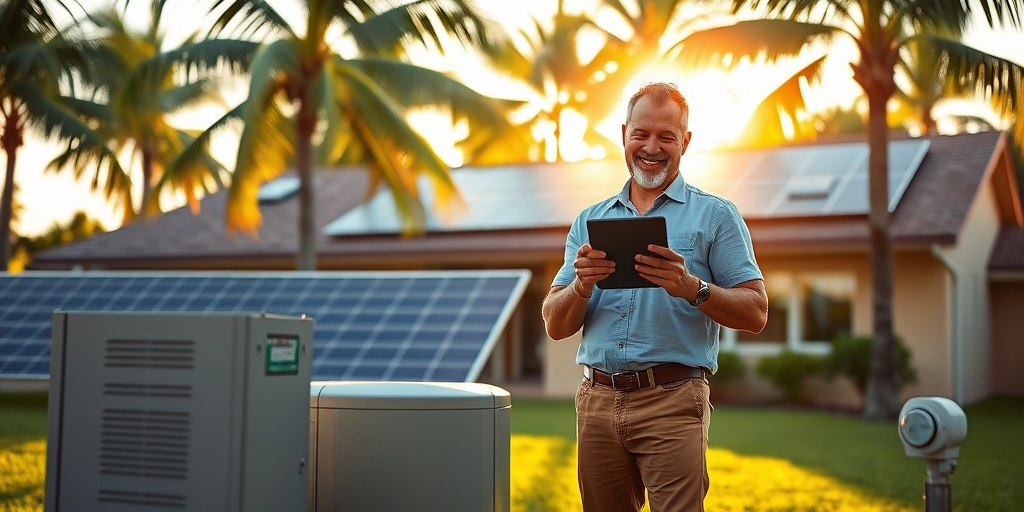
Imagine standing in your backyard, the sun glistening on the solar panels installed atop your roof, while monthly savings on energy bills become a reality. In fact, studies show that homes equipped with solar panels appreciate significantly—up to 4% more than comparable homes without solar (Energy.gov). Yet, despite these benefits, many homeowners remain skeptical about the true value of solar technology. In this illuminating post titled How One Homeowner Boosted Property Value with Solar Panel Installation, we’ll explore the transformative journey of a Florida homeowner who made the leap into solar energy, showcasing how investing in solar can elevate your home’s worth and savings, especially as 2025 approaches. With the increasing costs of electricity and the introduction of state incentives aimed at encouraging renewable energy usage, there has never been a better time to consider solar power. In the sections that follow, we will dive into a remarkable case study, walk through actionable steps, debunk common myths, examine Florida-specific factors, and dissect the technology behind these systems.
Case Study: The Transformative Impact of Solar Installation
Meet Sarah, a devoted Florida homeowner residing in sunny Tampa. With a family of four, Sarah had watched her monthly electric bills soar steadily, reaching unsustainable heights. In early 2023, she decided to explore the potential of solar energy, hoping not only to reduce expenses but also to boost her property value. The appeal of solar power quickly became evident as she began her research, discovering that homes with solar installations typically sell for more and are in higher demand, especially in energy-conscious markets like Florida.
Sarah’s journey started with a detailed consultation with a certified solar expert from floridaelectricandsolar.com. Here, she learned that installing solar panels could increase her home’s value by an average of $15,000 (SEIA.org), with an ROI gap increasingly narrowing as energy costs continued to rise. Moreover, the 2025 trends suggested more homeowners would be turning to solar, meaning the time to jump on board was now or risk falling behind.
Checklist of Sarah’s Solar Journey:
- Step 1: Conduct a thorough financial audit of her energy consumption.
- Step 2: Schedule a professional solar energy consultation.
- Step 3: Analyze different financing options available in Florida.
- Step 4: Complete the solar panel installation with trusted contractors.
- Step 5: Reap the benefits of clean energy and savings on monthly bills.
One of the key takeaways from Sarah’s initial research was the impactful Sunshine State legislation set in place; Florida homeowners can take advantage of the state’s net metering policies, ensuring they receive credit for excess electricity generated by their solar panels (SolarReviews.com). This was a crucial factor in Sarah’s decision-making process, as it added even more value to her prospective solar investment.
As installation day arrived, the buzz of excitement surrounded the house. Within hours, her old roof became a beacon of sustainable energy. The panels were seamlessly integrated, and just weeks later, Sarah began to see the tangible benefits. Her monthly electric bill was reduced drastically, allowing her to allocate savings toward her children’s education. These benefits would only compound over the years, as her home now had a competitive edge in the real estate market.
Myth-Buster: Common Misconceptions About Solar Energy
- Myth #1: “Solar panels won’t work in cloudy weather.” While it’s true that solar panels are more efficient during sunny days, they can still generate energy during overcast conditions and with sufficient natural light.
- Myth #2: “Solar energy is too expensive.” With various financial incentives and financing options available, many homeowners can install solar panels without a significant upfront cost. In fact, the long-term savings can far outweigh initial investments.
- Myth #3: “Solar panels require a lot of maintenance.” Modern solar panels are designed to be durable and require minimal upkeep—usually just occasional cleaning and inspections.
In Sarah’s case, these misconceptions were easily debunked through expert research and consulting, reinforcing her decision to invest in solar. She embraced the reality that solar energy is not only feasible but beneficial for homeowners looking to improve their property values and cut energy costs.
The energy market in Florida is evolving at a remarkable pace. With advancements in technology and competitive pricing, the initial investment in solar is likened to a financial safety net for homeowners. As property values surge, especially for homes outfitted with eco-friendly amenities, investing in solar is not merely an option—it’s becoming imperative for homeowners like Sarah looking to protect their assets for the future.
Understanding the Economic and Environmental Benefits of Solar
Investing in solar energy is not just about saving money; it’s a pathway to supporting a sustainable future. Solar power significantly reduces carbon footprints, which is attractive not only to potential buyers but also to conscientious homeowners. With a growing emphasis on eco-friendly living, homes equipped with solar installations send a powerful message about sustainability and responsibility.
- 1. Increased Home Value: Homes with solar panels typically see an increase of $15,000 in property value.
- 2. Financial Incentives: Various tax credits and state incentives available, particularly in Florida, contribute to improved ROI.
- 3. Reduced Energy Bills: Homeowners report up to 70% reduction in monthly energy expenses.
- 4. Energy Independence: Solar panels allow homeowners to generate their own electricity, lessening reliance on the grid.
- 5. Positive Environmental Impact: Solar energy provides a clean alternative to fossil fuels, leading to decreased greenhouse gas emissions.
Sarah’s experience exemplifies how one can reap both immediate and long-term benefits from the solar investment. Despite some concerns about the upfront costs and efficiency, analysis shows that not only do installations return value, but they often appreciate faster compared to conventional homes. A report from the National Renewable Energy Laboratory indicates that solar adopters can recover their investments typically within five to seven years (NREL.gov), making it a lucrative decision in the long run.
This increasing awareness about financial savings and environmental responsibility has drawn many Florida homeowners towards solar solutions. As climate change and energy security remain prominent issues, more families are welcoming the possibility of taking control of their power, reducing their bills, and enhancing their property values.
5 Expert Solar Installation Tips for 2025
Ready to embark on your own solar journey? Here are five expert tips to ensure your experience is smooth and rewarding:
- 1. Don’t Skimp on Research: Before moving forward, explore various solar providers and systems. Diverse options are available, and thorough research will yield the best fit for your needs.
- 2. Assess Roof Condition: Ensure your roof is in good shape for solar panel installation. This can prevent future costs related to roof repairs once the panels are installed.
- 3. Understand Financial Options: Familiarize yourself with the financial incentives that could be available in Florida. Whether it’s tax credits, loans, or leasing options, choose one that aligns with your financial goals.
- 4. Optimize Placement: Discuss panel placement with your contractor. The angle and positioning of panels can significantly influence energy yield.
- 5. Regularly Monitor Performance: Post-installation, ensure to monitor your system’s performance through available apps or services. It’s crucial for maximizing efficiency and savings.
As Sarah reflected on her solar journey, she found that each of these tips was instrumental in making her transition to solar power seamless and beneficial. From understanding her roof’s condition to optimizing panel placement, the success of her installation stemmed from thorough planning and informed decisions.
A Journey Toward Energy Independence
Sarah’s journey didn’t just stop at the installation of her solar panels. As she settled into her new routine of monitoring energy consumption and savings, she became an advocate for renewable energy among her friends and family. She shared her exciting story, showcasing how solar not only transformed her home but also provided a sense of energy independence that she had longed for. Sarah even collaborated with her local community, hosting workshops on renewable energy, where she educated others about financing options and shared her insights on maximizing solar savings.
What Sarah Learned:
- Solar energy can significantly cut monthly bills, providing a direct financial benefit.
- Educating oneself and others about solar installation options can empower communities.
- Considering future maintenance and performance monitoring is vital for sustained benefits.
- Solar energy is a part of a larger movement towards sustainability that homeowners should embrace.
With new statistics from the State of Florida showing solar installations increasing by 40% year over year, it’s clear that Sarah’s story is not an isolated incident but rather, part of a broader trend (DSIREUSA.org). In this evolving energy landscape, more Florida homeowners are tending towards sustainable practices that could ensure energy savings while ensuring their investments mature alongside property values.
Next Steps for Florida Solar Buyers in 2025
Taking the leap into solar energy involves critical planning and informed decisions. Here’s a streamlined action plan:
- Step 1: Audit Your Electric Bill: Gather your last 12 months of electric bills to identify trends and how much you currently spend.
- Step 2: Get Certified Consultations: Reach out to certified solar providers in Florida to understand your options and obtain quotes.
- Step 3: Evaluate Financial Incentives: Investigate state-specific programs and federal tax credits that may apply to your solar investment.
- Step 4: Plan for Maintenance: Ensure to set a maintenance schedule post-installation to keep your system functioning effectively.
- Step 5: Engage Your Community: Share your experience with neighbors and friends, encouraging collective interest in sustainable living.
By following these actionable steps, Florida homeowners can navigate the landscape of solar installations with clarity and confidence, mirroring Sarah’s successful journey and maximizing their investments.
The value of solar energy is undeniable—both in terms of financial savings and broader environmental impacts. Embracing this shift is not just an investment but a crucial step towards securing your home’s future in an increasingly uncertain energy market.
In conclusion, the landscape of energy consumption is rapidly changing, and with it comes an urgent need for homeowners—like Sarah—to adapt. The potential gains from investing in solar panels—not just in property value, but also in significant energy savings and environmental responsibility—cannot be overstated. As the world shifts towards renewable energy sources, Florida homeowners can stand at the forefront, enhancing their homes while protecting the planet.
Ready to start your solar journey in 2025? Connect with a certified expert at floridaelectricandsolar.com today.
Related Articles
More insights about Solar Panel

Florida Homeowners: Why Solar Panel Maintenance Is Essential

7 Essential Steps for Solar Panel Installation Success

Expert Insights: Key Factors Influencing Solar Panel Lifespan
Ready to Go Solar?
Have questions about solar energy? Our experts are here to help you make the switch to clean, renewable energy.