
How Solar Panel Installation Can Save You Money
Share:
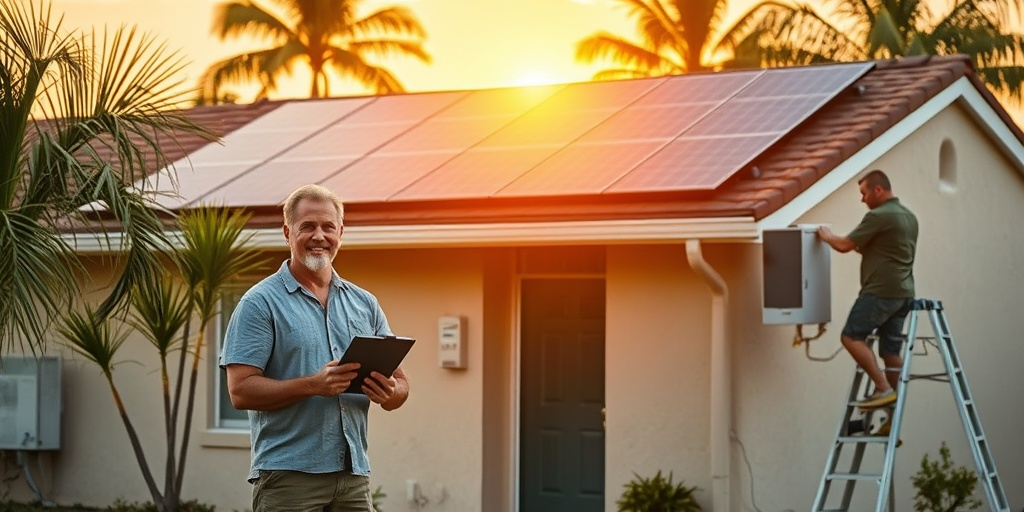
The world has never been more aware of the impact of energy consumption, especially in sunny states like Florida, where the sun shines brightest, and so does the opportunity for savings through solar power. Did you know that, on average, Florida homeowners could save between $10,000 to $30,000 over the life of a solar panel system? Imagine reducing your electricity bills while contributing to a cleaner environment. If you’ve ever wondered how solar panel installation can save you money, you’re not alone. In this article, “How Solar Panel Installation Can Save You Money,” we will uncover the numerous financial benefits of switching to solar energy in Florida, especially as we approach 2025—a pivotal year for energy regulation and incentives. With rising energy costs and new tax credit opportunities on the horizon, the urgency for Florida residents to consider going solar is at an all-time high.
In the sections that follow, we will explore five core aspects of going solar:
- Case Study: A real-life story illustrating the financial impact of solar installation.
- Checklist: A step-by-step guide to efficiently install your solar panels.
- Myth-Buster: Dispel common misconceptions surrounding solar energy.
- Local Focus: Key insights specifically for Florida residents.
- Technical Deep-Dive: An in-depth look at the technology and policy of solar energy.
As we dive into these sections, you’ll not only discover the financial benefits of solar panel installation but also gain clarity on how this choice can transform your home into a beacon of energy efficiency and sustainability.
How Solar Panel Installation Translates to Real Savings
Meet Jill, a resident of Orlando, Florida, who decided that enough was enough. Tired of sky-high electric bills that consistently rose every month, she explored solar panel installation. Initially, she hesitated, wondering if the investment would truly be worth it. However, the numbers spoke for themselves. After gathering estimates from different solar companies, including Florida Electric & Solar, she learned that her savings could exceed $20,000 over the lifespan of her panels (SolarReviews.com).
After making the decision to go solar, Jill followed these actionable steps:
- Research and compare quotes: Jill started by gathering quotes from multiple reputable solar companies to ensure she received the best value.
- Understand financing options: She explored various financing methods, including solar loans, leases, and cash options, ultimately deciding on a loan with a favorable interest rate.
- Consider local incentives: Jill took advantage of Florida’s solar tax incentives, significantly reducing her initial investment.
- Choose quality products: She asked about the efficiency ratings of various products, choosing high-efficiency panels to maximize her energy savings.
- Discuss warranties and maintenance: Jill made sure to ask about warranty terms and maintenance options, securing peace of mind for years to come.
Now, let’s tackle some common myths about solar panel installation that often deter potential buyers:
- Myth #1: Solar energy is too expensive to install. The truth is, with tax credits, state incentives, and financing options, the initial costs can be manageable.
- Myth #2: Solar panels only work in sunny states. While Florida leads in solar energy production, panels can still work efficiently on cloudy days.
- Myth #3: Solar energy systems require too much maintenance. In reality, solar panels are low-maintenance, only requiring occasional cleaning.
- Myth #4: You can’t save money if you’re not home during the day. Excess energy produced during the day can earn you credits or lower your bills significantly.
- Myth #5: It’s difficult to sell a home with solar panels. In fact, homes with solar installations are often more appealing to buyers looking for energy-efficient amenities.
From her own experience, Jill found that not only could she drastically cut her electric bills, but she could also increase the value of her home, making it a solid investment. According to the National Renewable Energy Laboratory, solar panel installations can increase property values by an average of 4.1% in Florida. This data reflects the rising demand for sustainable home solutions, particularly in a state known for its abundant sun (NREL.gov).
In summary, Jill’s journey from skepticism to solar advocacy represents not just her experience, but also those of countless Floridians who are making the leap into solar energy. It isn’t merely about reducing your bills; it’s about investing in a sustainable future. To make the solar transition as seamless as possible, utilizing a comprehensive checklist can provide clarity through the overwhelming process.
Your Step-by-Step Guide to Successful Solar Installation
Whether you’re a first-time buyer or considering an upgrade to your existing solar system, this checklist can simplify your solar journey:
- Step 1: Audit Your Current Energy Usage – Review your electricity bills for the past year to determine your average energy usage, which is pivotal for sizing your solar installation appropriately.
- Step 2: Seek Multiple Quotes – Reach out to different solar providers for detailed quotes, analyzing each installation’s cost, financing, warranties, and equipment.
- Step 3: Evaluate Financing Options – Explore various financing methods, including loans, leases, or cash purchases. Keep in mind that different financing structures affect overall savings.
- Step 4: Look into Local Incentives and Tax Credits – Research available programs that may lower initial costs significantly, like the Federal Solar Investment Tax Credit, which offers a 30% tax credit on solar installations through 2025.
- Step 5: Understand the Installation Process – Ensure you’re clear on each step, from permitting and approvals to installation and final inspection. Communication with your provider is essential.
For more localized assistance, consider contacting experts who understand Florida’s specific regulations and offerings. Florida Electric & Solar can help guide you to streamline the whole process. Trust plays a significant role, and their expertise can pave the way to a successful solar transition.
Furthermore, let’s debunk more myths that commonly hold homeowners back from making the solar leap:
- Myth #6: Solar panels will damage your roof. High-quality installations ensure minimal impact, and many roofs can benefit from added durability.
- Myth #7: Solar energy is only for wealthy homeowners. With financing and leasing options, solar energy is becoming accessible to all income levels.
- Myth #8: Solar systems are complicated to understand. Many companies provide extensive explanations and consultations to make the technology easy to grasp.
- Myth #9: Batteries are required for a solar system to work. While batteries can store excess power, they are not necessary for all systems—grid-tied options are perfectly viable.
- Myth #10: Solar panels are unattractive. Today’s solar technology incorporates sleek designs that can blend seamlessly with your home’s architecture.
This guide empowers Florida homeowners to understand that going solar is less about abstraction and more about concrete, actionable steps toward energy independence and savings. By focusing on the detailed aspects of the installation process, the pathway becomes clearer and more attainable.
5 Essential Solar Installation Tips for 2025
As we approach 2025, the solar industry is undergoing significant advancements. To ensure that you harness the most benefits from your investment, consider these expert tips:
- Invest in Quality Products: Sustainable savings begin with high-quality solar panels and components. Look for products with strong warranties and efficiency ratings.
- Emphasize Proper Panel Placement: Solar panels should be placed in areas with maximum sunlight exposure. Consult with your installer on optimal placement for full energy absorption.
- Monitor Your Energy Production: Invest in monitoring systems to track your energy production in real-time. This can highlight inefficiencies and ensure you’re maximizing your system’s potential.
- Maintain Your System: While solar systems are mostly low-maintenance, keep an eye on panel cleanliness. Dust or debris can hinder performance, so ensure they’re clean.
- Engage with a Reputable Installer: Choose a provider with positive reviews and experience relevant to Florida’s market; this will help you navigate local laws and incentives more effectively.
According to a report by the Solar Energy Industries Association (SEIA), Florida ranks among the top five states for solar installations, reflecting how local homeowners are quickly adapting to renewable energy solutions. By arming yourselves with the right knowledge and tools, your solar journey can lead to both financial benefits and a reduced carbon footprint.
A Deeper Look into Florida’s Solar Landscape
As we delve deeper into the solar landscape, let’s spotlight the fictional case of the Martinez family living in Tampa. They were reluctant to dive into solar due to fluctuating energy prices and confusion around regulations. Here’s a breakdown of how they successfully maneuvered their solar journey:
- Initial Assessment: The family began by documenting their energy costs over a year, revealing they spent over $1,500 annually just on electricity.
- Financing Exploration: After educating themselves on available incentives, they secured a loan with low-interest rates thanks to Florida’s encouraging solar policies.
- Choosing a Provider: They conducted detailed research, comparing reviews and neighborhood installations to select a trusted local solar company that greatly understood their needs.
- Installation Process: The family enjoyed partnering with their solar provider, understanding each aspect of the installation and its eventual impact on their home.
- Final Results: After their panels were installed, the Martinez family reported a 70% reduction in their electricity bills, translating to over $1,000 in annual savings (Energy.gov).
Their story reflects a mix of emotions—uncertainty blended with hope that transformed into tangible results. As a bonus, they saw an increase in their property value due to the addition of sustainable energy sources. The NREL highlights that homes equipped with solar panels can sell for a premium, estimated at about $15,000 more than conventional homes.
Next Steps for Florida Solar Buyers in 2025
Armed with knowledge and practical advice, you’re ready to dive into the world of solar energy. Here’s a concise checklist to keep you focused:
- Step 1: Audit Your Electric Bill – Identify monthly costs and consumption patterns to determine how much you can potentially save with solar.
- Step 2: Explore Your Options – Research local solar companies, their offerings, and read reviews to ensure you’re choosing a qualified installer.
- Step 3: Take Advantage of Incentives – Familiarize yourself with state and federal incentives available in 2025 that can significantly reduce the cost of your solar installation.
- Step 4: Engage with a Trusted Expert – For a seamless transition, connect with certified professionals, such as those at Florida Electric & Solar, who can guide you through every step of the process.
- Step 5: Commit to Your Decision – Once you feel confident, move forward with your choice! Make the switch, enjoy lower bills, and embrace energy independence.
The landscape for solar energy in Florida is continually evolving, and with the right approach, you can position yourself for success. Remember, knowledge is power, and understanding the solar market will empower you to make informed decisions that benefit you and your community.
In conclusion, transitioning to solar energy is not merely an investment—it represents a shift towards a more sustainable future. Each of these stories, tips, and facts is woven together to illustrate not just financial wisdom, but an emotional journey that underscores the importance of proactive choices. Prepare to harness the power of the sun and generate incredible savings for your home while promoting environmental well-being.
Ready to start your solar journey in 2025? Connect with a certified expert at floridaelectricandsolar.com today.
Related Articles
More insights about Solar Panel

Florida Homeowners: Why Solar Panel Maintenance Is Essential

7 Essential Steps for Solar Panel Installation Success

Expert Insights: Key Factors Influencing Solar Panel Lifespan
Ready to Go Solar?
Have questions about solar energy? Our experts are here to help you make the switch to clean, renewable energy.