
Insider Insight on Solar Panel Installation for Maximum Efficiency
Share:
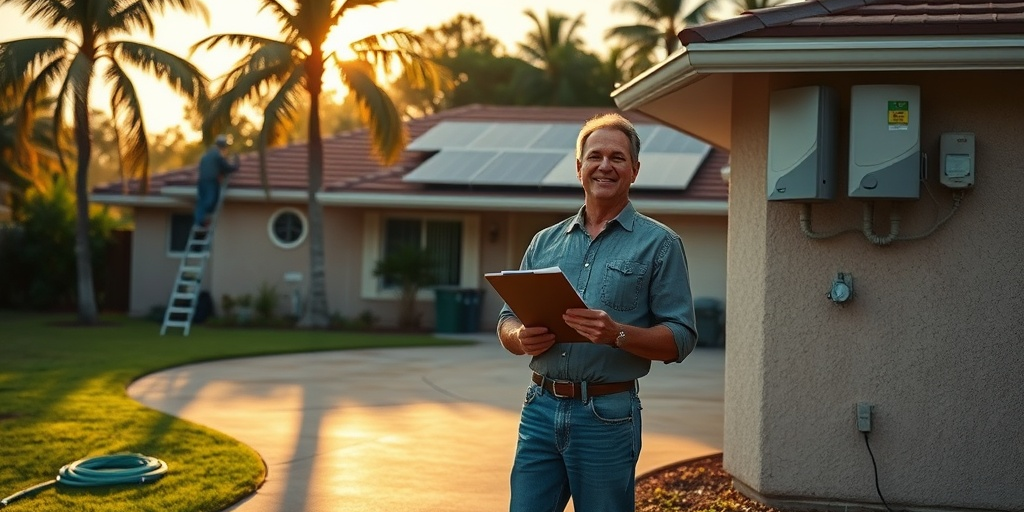
What if you could not only generate your power but also save a significant portion of your annual electricity bills? In Florida, this isn’t just an aspiration; it’s a reality that many homeowners are currently experiencing, especially with advancements in residential solar energy technology. According to the Solar Energy Industries Association (SEIA), Florida ranks third in the United States for solar installations, boasting over 3,500 megawatts (MW) of installed capacity (SEIA.org). With energy prices projected to rise due to increased demand and potential grid instability, there has never been a more crucial time to explore renewable energy solutions, especially in 2025.
In this detailed exploration titled “Insider Insight on Solar Panel Installation for Maximum Efficiency,” we’ll delve into crucial strategies that can enhance your solar return on investment (ROI). You’ll discover expert insights that will help you make informed decisions to achieve maximum efficiency from your solar system. There’s a palpable urgency for Florida homeowners to harness solar power, particularly as state incentives evolve and federal backing strengthens the renewable energy sector.
We will break down our discussion into five essential sections. First, we’ll provide an in-depth case study demonstrating real-world success with solar installations. Then, we’ll compile a pragmatic checklist for new solar buyers to ensure they’re prepared. Following that, we will debunk common myths surrounding solar energy that may keep you from going solar. Next, we will focus on Florida-specific data and what it means for you as a prospective solar buyer. Finally, we’ll present a technical deep-dive into the components that make up an efficient solar energy system. Together, these insights will guide you to make the best decisions as you consider joining the solar movement in 2025.
Let’s dive in!
Unlocking Optimal Performance: A Comprehensive Case Study
The journey of going solar is unique for each homeowner, but one story stands out as particularly instructive. Meet Jennifer, a Florida homeowner from Tampa, who made the switch to solar power in early 2024. Jennifer was struggling with an electric bill that reached upwards of $300 a month, largely due to the long, hot summers that cause Florida residents to crank up their air conditioning units. After hearing success stories from her neighbors, she decided to explore her solar options.
After conducting thorough research, Jennifer discovered Florida Electric & Solar, known for their local expertise and high-quality installations. The company’s reputation for maximizing solar efficiency was attractive, but Jennifer was still filled with queries. Do solar panels really work effectively in Florida’s humid climate? Would the installation process be complex? The Florida Electric & Solar team provided valuable insights, emphasizing the importance of proper installation and the optimal choice of equipment.
During her consultation, they talked through critical aspects of solar panel efficiency like the tilt angle, direction, and the physics behind sunlight absorption. Florida’s average solar irradiance is about 5.5 kilowatt-hours (kWh) per square meter per day, making it an ideal location for solar panels (NREL.gov). By maximizing these factors during installation, Jennifer was assured she could improve her energy output significantly.
Once her solar panels were installed, the transformation was remarkable. In just a few months, Jennifer observed a drop in her electric bill to approximately $80 a month. The savings were not just a fluke; they were sustainable and based on her decision to select a reliable installer who emphasized optimal configurations. This case demonstrates that with carefully planned installations, Floridian homeowners can experience significant ROI.
- Step 1: Understand your energy consumption. Consider using an energy audit to determine your average utility costs.
- Step 2: Consult with local solar experts to explore custom solutions that fit your specific needs.
- Step 3: Don’t research different types of panels—the right recommendation often comes from an experienced installer.
- Step 4: Evaluate financing options and federal incentives, many of which are available through 2025.
- Step 5: Monitor your system once installed, and engage with community solar resources for best practices.
From Jennifer’s insightful narrative, we gather that making an informed choice about solar installation will set you on the path to efficiency right from the start. Next, let’s bust some common myths that may be keeping potential solar owners from realizing their dreams.
Myth-Busting: Debunking Common Solar Energy Misconceptions
Myth #1: Solar Panels Are Too Expensive
Many prospective solar buyers hesitate because they believe solar panels come with a hefty price tag. However, significant state and federal incentives exist that can lower initial costs substantially—not to mention the long-term savings on energy bills. The average payback period for residential solar systems in Florida is about 5-7 years (SolarReviews.com).
Myth #2: Solar Energy Is Ineffective in Cloudy Weather
While sunny days epitomize ideal solar conditions, solar panels can still generate electricity on cloudy days. In fact, solar panels convert sunlight into energy using both direct and indirect sunlight, which means they continue to produce energy even when overcast (Energy.gov).
Myth #3: Going Solar Requires a Major Commitment
Some may believe that you must own your solar panels outright to benefit from solar energy. Leasing options are available, providing a lower entry cost while still allowing homeowners to enjoy energy savings.
Myth #4: Solar Panels Can Damage Your Roof
A common fear is that installing solar panels will damage your roof. In reality, a professional installation should not only enhance your roof’s integrity but also maintain its warranty. Many Florida installers are equipped to ensure your roof remains in excellent condition post-installation (SEIA.org).
Myth #5: Batteries Are a Necessity for Solar Systems
While adding battery storage can maximize your system’s efficiency, they aren’t a mandatory component for solar installations. Grid-tied systems operate excellently without batteries and still provide substantial savings on electric bills.
These misconceptions can deter would-be solar adopters from realizing their potential. It’s crucial to grasp the reality behind these myths while considering the financial perks and sustainable character of solar energy. For those in Florida, state-specific incentives like the Property Tax Exemption can further enhance ROI, making solar installations a wise financial choice.
Florida-Specific Insights: What You Need to Know
As you navigate the solar landscape, understanding the local landscape becomes crucial. Florida is not just sunny; it’s also one of the states with the highest solar growth in the U.S. This expansion is facilitated by policies that support renewable energy, such as the Solar Energy System Incentives and the Property Tax Exemption for solar installations. Currently, homeowners can benefit from a significant reduction in property taxes related to solar panel installations, which can boost your overall ROI exponentially.
According to the Florida Public Service Commission, 2023 projections indicate that solar capacity in the state will exceed 10,000 MW by 2025, reflecting an increase in both residential and commercial installations. This surge indicates broader acceptance and trust in solar technology among Florida property owners (Energy.gov).
Key Considerations for Florida Homeowners:
- Energy Consumption Patterns: Many homeowners overlook their specific energy needs. Conducting energy audits can help you understand how much solar capacity you require.
- Local Installer Reputation: When choosing a solar company, opt for local firms like Florida Electric & Solar, which have a proven track record of efficient installations and satisfied customers.
- Battery Storage Options: While batteries are optional, they may provide added value for a smoother transition to energy independence, especially during peak summer months.
With this understanding, you can better prepare for the decision-making process while leverage Florida’s unique solar incentives. In the next section, we will dive deeper into the technical aspects of solar system installations to further enhance your energy efficiency.
Technical Deep-Dive: Maximizing Your Solar System Efficiency
Installations aren’t just about tossing panels onto your roof; the nuances of the process determine your energy production efficiency. Let’s explore key components that play vital roles in optimizing your solar systems, including panels, inverters, and battery storage solutions.
Solar Panels: The type of panels you choose directly impacts your efficiency and energy production. Monocrystalline panels provide the highest efficiency, converting up to 22% of the sun’s energy into usable electricity. On the other hand, polycrystalline panels might come at a lower cost but typically offer lower efficiency levels around 15-18%.
Inverters: The inverter is the heart of your solar energy system, converting the direct current (DC) generated from your panels into the alternating current (AC) used in homes. Selecting high-quality inverters can enhance efficiency; microinverters are often favored for their ability to optimize the production of individual panels, especially in shaded conditions.
Battery Storage Solutions: While not mandatory, battery storage can provide backup during outages or peak demand times. Lithium-ion batteries like the Tesla Powerwall have become increasingly popular due to their high energy density and reliability. According to industry reports, investing in battery storage alongside solar systems can enhance total energy independence, enabling you to utilize energy produced during the day even when demand spikes at night.
Smart Monitoring Systems: Incorporating a monitoring system is an essential step to oversee your solar power generation. Systems like Enphase or SolarEdge offer real-time data about how much energy your system generates, which can aid in identifying potential inefficiencies.
Each of these components plays a critical role in the efficiency of your solar installation. By educating yourself on these aspects and selecting the optimal configurations, you will be empowered to weather the future energy challenges more effectively. Now that we’ve covered the ins and outs of solar technology, let’s draw up an action plan for Florida homeowners to consider as they embark on their solar energy journey in 2025.
Next Steps for Florida Solar Buyers in 2025
As you prepare to invest in solar power, the following steps will serve as a strong foundation for your solar journey. Here’s a concise action plan you can follow:
- Step 1: Audit Your Electric Bill
Before purchasing solar, understand your current electric consumption and total costs. This insight will guide the size of the system you need to ensure efficiency—larger systems do not always equate to better savings. - Step 2: Research Incentives and Financing Options
Explore state and federal incentives as well as financing options available for solar installations to make the upfront costs more manageable. Resources on floridaelectricandsolar.com can provide valuable information about local incentives. - Step 3: Consult Multiple Installers
Don’t accept the first quote. Compare options and speak with several local solar companies to understand their offerings better. Look for providers with proven track records. - Step 4: Determine the Optimal System Size
After consultations, determine the right balance of solar panel capacity based on your energy usage patterns. This balance will help you maximize the ROI for your investment. - Step 5: Monitor Performance Post-Installation
Once your systems are installed, monitor the energy output regularly. Using smart monitoring solutions can help you stay informed about your usage and any potential issues that may arise.
This clear action plan will navigate you through the entire process of going solar, from conception to final installation. By following these carefully crafted steps, you can confidently venture into the world of solar energy as a Florida homeowner.
As we draw to a close, consider the journey we’ve undertaken together. We explored the avenues for maximizing your solar efficiency and dispelled myths that often cloud the decision-making process. Ultimately, the transition to solar power is more than just a financial investment; it’s about securing a sustainable future for you and your family.
The insights provided will undoubtedly position you to make informed decisions in 2025. With rising energy costs and proactive state incentives, the time to invest in solar is now. Take control of your energy future—own your power and start saving today!
Ready to start your solar journey in 2025? Connect with a certified expert at floridaelectricandsolar.com today.
Related Articles
More insights about Solar Panel

Florida Homeowners: Why Solar Panel Maintenance Is Essential

7 Essential Steps for Solar Panel Installation Success

Expert Insights: Key Factors Influencing Solar Panel Lifespan
Ready to Go Solar?
Have questions about solar energy? Our experts are here to help you make the switch to clean, renewable energy.