
Insider Insights on Solar Panel Lifespan and Durability
Share:
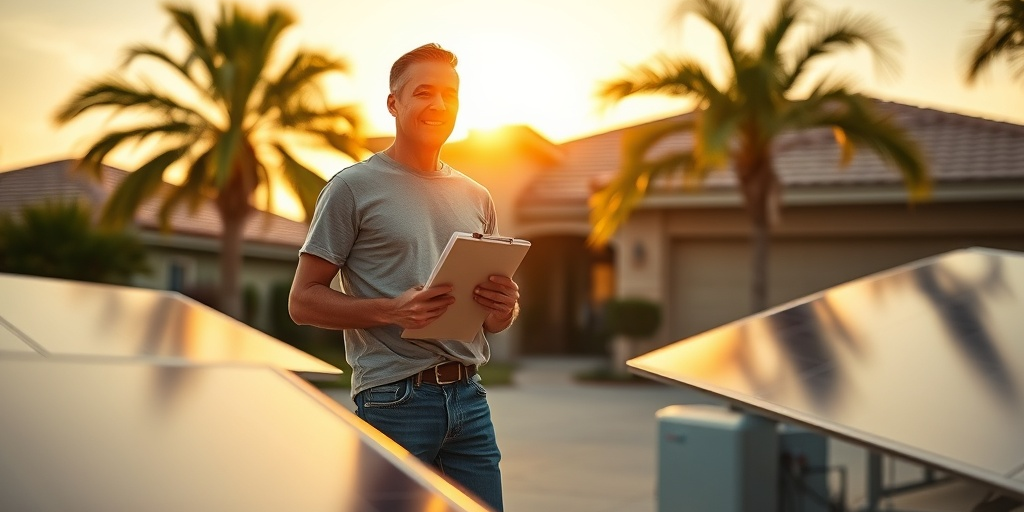
Every Florida homeowner considering a switch to solar power is faced with a complex array of questions, and one of the most pressing topics revolves around the lifespan and durability of solar panels. In 2025, as the demand for renewable energy surges and utility rates continue to climb, understanding how long your investment in solar panels will last becomes crucial. Did you know that most solar panels today come with a warranty of 25 years, often outlasting their expected performance? However, the reality of solar panel durability goes much deeper than warranties alone. In “Insider Insights on Solar Panel Lifespan and Durability,” we’ll explore how various factors impact the longevity of your solar investment and why this knowledge is urgent in 2025, especially with rising energy costs and new solar incentives rolling out across Florida.
In the quest for energy efficiency and sustainability, new technologies promise to improve energy production while ensuring durability. For instance, a study indicates that 90% of solar panels maintain at least 80% of their efficiency even after 25 years, a fact that showcases the remarkable resilience of modern photovoltaic systems (SEIA.org). Despite the extensive life expectancy of these systems, myths surrounding their longevity still persist. This article sheds light on the truth behind solar panel durability, highlights best practices, and provides expert insights that can help Florida homeowners and commercial property owners optimize their solar energy investment.
In this compelling read, we will delve into five enlightening sections: first, an in-depth exploration into the factors influencing solar panel lifespan, followed by a checklist for ensuring robust installation and maintenance practices. Next, we will debunk some common myths about solar panel longevity. We will then focus on Florida-specific data, and finally, we will take a technical deep dive into the technology behind solar power systems. By the end of this article, you will have gained valuable insights that can influence your decision-making process and help you maximize the return on your solar investment.
Understanding Solar Panel Lifespan and Durability
Solar panel lifespan is defined not merely by the years it remains intact, but by how effectively it can convert sunlight into usable electricity. For instance, California’s Solar Energy Industries Association states that most solar panels will last at least 25 years, and many can last even longer with proper upkeep (SolarReviews.com). However, achieving optimal lifespan and durability is contingent upon various factors, including climate, installation quality, and the technology employed in manufacturing the panels.
To illustrate this further, consider the story of the Morris family from Orlando, Florida. After investing in solar panels three years ago, they were astonished to realize that not only had their electric bills drastically decreased, but the panels still operated at 95% efficiency, despite Florida’s intense sun. The couple experienced a storm that temporarily brought down their local power lines, yet their solar batteries kept their home lit and lively during outages, showcasing the resilience of quality installations against extreme weather.
- Case Study Insights: The Morris family’s experience illustrates the importance of investing in durable solar technology tailored for Florida’s harsh climate, reinforcing that smart choices lead to substantial long-term savings.
- Expected ROI: A well-maintained solar power system can yield a return on investment of up to 20%, thanks in part to their longevity (DSIREUSA.org).
- Checklist for Maintenance: Utilizing a maintenance checklist can help ensure that your system remains functional and productive over its lifespan.
- Myth-Busting: Many believe that all solar panels degrade uniformly; in reality, conditions such as shading and temperature variations can heavily influence performance.
- Local Focus: Florida homeowners are particularly well-suited for solar given our abundant sunlight, but understanding local climate effects is essential for maximizing efficiency.
The combination of Florida’s sunny disposition with careful consideration of panel selection leads to successful solar panel systems. It is crucial, however, to focus on the technical aspects, such as the materials used in panel manufacturing. The leading brands often utilize monocrystalline solar panels, which, although typically more expensive, offer superior efficiency and longevity compared to their polycrystalline counterparts.
Additionally, while many manufacturers provide warranties of 25 years, industry data shows that quality panels often produce usable energy for 30 years or longer. Regular maintenance and inspection can further extend a solar panel’s lifespan, as minor issues can be addressed before they escalate into costly repairs.
As we transition into 2025, understanding these insights profoundly impacts your solar journey. With expediential energy savings and the associated environmental benefits, investing in solar energy emerges as not just a smart financial decision but a crucial step in sustainable living. At this point, let’s explore our first actionable checklist.
An Expert Checklist for Ensuring Your Solar Panels Last
Implementing the right practices is vital for protecting your solar investment. This actionable checklist can guide you toward creating a successful strategy for ongoing maintenance and performance monitoring, ensuring your solar panels remain durable and efficient for many years to come.
- Step 1: Audit Your Electric Bill
To start your solar journey, examine your electric bills from the past year. Analyzing your highest consumption months and calculating your solar needs accurately will allow you to choose the right size for your system. - Step 2: Choose Quality Panels
Invest in reputable brands known for durability and efficiency. Look for panels with high-efficiency ratings (above 20%) and extended warranty terms. Consider consulting expert sources to gauge the best options for your home. - Step 3: Opt for Professional Installation
Hiring a professional installer ensures compliance with local regulations and optimal system performance. Proper alignment and positioning can have significant impacts on the panels’ efficiency and lifespan. - Step 4: Schedule Regular Maintenance
Make it a habit to clean your panels periodically and have them inspected by a qualified technician. This will avoid issues such as dust accumulation and physical damage that may impede performance. - Step 5: Monitor Real-time Performance
Every solar system should include an inverter monitoring system to keep track of energy production. This real-time data helps ensure that the system is functional and allows you to address any issues promptly.
Implementing these steps will create a solid foundation for your solar investment, empowering you to maximize savings while minimizing operational headaches. By focusing on the durability and efficiency of your system, you can also increase your home’s overall value. To learn more about these tips, visit us at floridaelectricandsolar.com.
Myth-Busting Common Beliefs About Solar Panel Lifespan
Despite the increasing popularity of solar energy, several myths persist regarding the lifespan and durability of solar panels. In this section, we will debunk five widespread beliefs and provide you with a fact-based understanding of what truly influences the longevity of your solar installation.
- Myth #1: All solar panels fail after 25 years.
While warranties often last 25 years, most solar panels continue to produce energy well beyond this limit. Many maintain over 80% of their capacity even after three decades (Energy.gov). - Myth #2: Solar panels require constant replacement.
Quality solar panels, when properly maintained, can last for 30 years or more. Regular cleanings and inspections are sufficient for ongoing functionality without needing to replace whole systems (NREL.gov). - Myth #3: Any type of panel will work in Florida.
While several panel types exist, Florida’s unique climate conditions demand high-efficiency and durable options that can withstand humidity and storms. Consulting local experts is key to selecting the right system. - Myth #4: Solar panels are too fragile to withstand storms.
Modern solar panels are designed to endure high winds and hail. Many brands provide storm ratings corresponding to Florida’s weather challenges, ensuring durability through unpredictable conditions. - Myth #5: The panels perform poorly in cloudy weather.
When installed correctly, solar panels can still capture significant sunlight during cloudy conditions, producing up to 25% of their rated capacity even in less-than-ideal conditions.
Debunking these myths helps shed light on the resilience and efficacy of solar technologies and fosters customer confidence in adopting solar energy solutions. Understanding these realities empowers Florida homeowners to make informed decisions.
Florida-Specific Insights on Solar Panel Technology
Florida’s unique environmental features position it as an ideal location for solar energy, yet navigating the complicated landscape of installation, costs, and benefits requires specific knowledge. In this section, we will break down localized data that affects solar panel performance and optimization.
- Abundance of Sunshine
With an average of 237 sunny days each year, Florida has optimal conditions for solar energy production. Utilizing this advantage allows countless homeowners to capitalize on renewable energy and transform their lifestyles. - Incentive Programs
State incentives like the Property Tax Exemption for solar installations encourage homeowners to invest. As of 2025, many municipalities are enacting further programs to support clean energy, a trend worth following for financial relief. - Storm Resilience
Choosing solar equipment rated for high resistance against winds and heavy rains will greatly improve durability. Local manufacturers and installation services often incorporate safety measures tailored specifically to Florida’s climate. - Local Grids and Interconnectivity
Understanding local grid regulations is vital. Familiarizing yourself with interconnection agreements ensures compliance and optimizes the integration of solar energy into your household power.
Fostering a deeper understanding of local dynamics—like climate conditions, available incentives, and regulations—allows Florida homeowners to make informed choices when transitioning to solar energy. As 2025 approaches, it’s crucial to harness this information effectively to maximize benefits and reduce overall energy costs.
The Technical Aspects: A Deep Dive Into Solar Technology
The technology underlying solar panels and systems has evolved dramatically over recent decades. This section will break down the components that contribute to the overall efficiency and durability of solar energy systems.
For starters, photovoltaic cells are key players. These cells convert sunlight into electricity and are made primarily from silicon. Panels can vary between monocrystalline, polycrystalline, and thin-film technologies, with monocrystalline panels typically exhibiting higher efficiency rates (over 20%) and longer lifespans due to their structure and materials.
- Solar Inverter Functions
The inverter converts the direct current (DC) generated by the solar panels into alternating current (AC) for household use. A quality inverter is essential for overall energy efficiency and can greatly affect the longevity of the entire system. - Battery Storage
For homeowners looking to store energy for use during the night or outages, investing in battery systems can optimize energy independence and protect against grid instability. Advanced battery technologies have improved significantly in capacity and longevity. - Smart Monitoring Systems
Integrating a smart monitoring system provides real-time insights into energy production and equipment performance, allowing users to address any anomalies swiftly. Such systems contribute greatly to a solar panel’s longevity. - Quality Installation Practices
The execution of the installation process matters immensely. Using quality materials and adhering to best practices throughout the installation leads to reduced maintenance costs and extended system life.
Deep knowledge of these technical components and their roles in contributing to solar panel durability strengthens the foundation of your decision to invest. By understanding how these intricacies fit together, you can make choices that align your goals for cost savings and energy independence.
Next Steps for Florida Solar Buyers in 2025
Having gained valuable insights on solar panel lifespan, technical details, and local advantages, it’s now time to take actionable steps towards your solar energy investment. Below is a checklist that highlights next steps tailored specifically for Florida’s vibrant solar landscape.
- Step 1: Gauge Local Incentives
Investigate the current solar incentive landscape in your county. Various grants, rebates, and tax credits can greatly reduce upfront installation costs for solar power systems in Florida. - Step 2: Compare Installer Options
Look for local experts that specialize in solar installations. Compare reviews, warranties, and the installation process to find an installer that suits your needs. - Step 3: Schedule a Consultation
Engage with solar consultants who can analyze your home’s energy needs and guide you in selecting the right system tailored to your specific circumstances. - Step 4: Analyze Financing Options
Explore solar loans, leases, and power purchase agreements (PPAs) that may provide financial flexibility for your investment. Researching all available financial tools ensures a manageable investment process. - Step 5: Prepare for the Installation
Once you’ve finalized your investment, prepare your home for the installation by ensuring roof readiness and clearing any obstacles that may affect the setup.
By implementing this action plan, you will navigate your solar journey with confidence and clarity, allowing you to seize the advantages of sustainable energy while enjoying significant cost savings. Don’t forget to stay informed by visiting floridaelectricandsolar.com, where you can access resources and connect with certified solar experts.
As we summarize the journey of exploring “Insider Insights on Solar Panel Lifespan and Durability,” it is clear that understanding how long solar panels last—and the factors that influence their performance—can greatly affect your decision to invest in solar energy. The insights shared throughout this article not only clarify the realities associated with solar panel durability but also underscore the ongoing opportunities available to Florida homeowners and commercial properties as we approach 2025. With rising energy costs and expanding solar incentives, the urgency to act has never been greater. Empower your energy future and consider the vast potential that solar energy offers for your home and community.
Ready to start your solar journey in 2025? Connect with a certified expert at floridaelectricandsolar.com today.
Related Articles
More insights about Solar Panel

Florida Homeowners: Why Solar Panel Maintenance Is Essential

7 Essential Steps for Solar Panel Installation Success

Expert Insights: Key Factors Influencing Solar Panel Lifespan
Ready to Go Solar?
Have questions about solar energy? Our experts are here to help you make the switch to clean, renewable energy.