
Insider Tips for Maximizing Your Solar Panel Lifespan
Share:
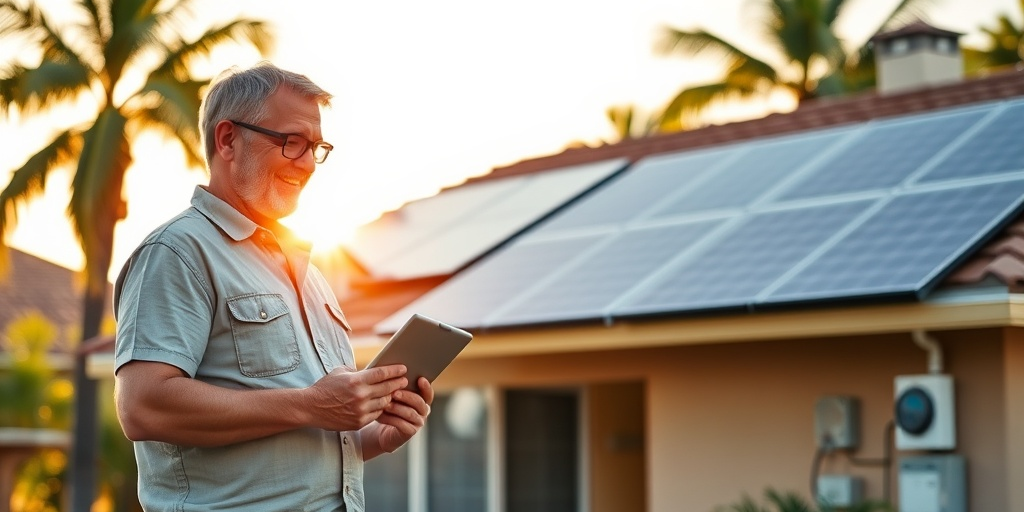
Did you know that solar panels can lose up to 25% of their efficiency after just 20 years? This startling statistic emphasizes the importance of taking proactive steps to maximize your solar panel lifespan. In the world of renewable energy, where every watt counts, Florida homeowners must prioritize the longevity of their solar systems to ensure optimal performance and financial savings. Additionally, as of 2025, Florida is projected to see a significant increase in solar adoption—over 35% of new homes are expected to feature solar energy systems. With Florida Electric & Solar at the forefront of this transition, the article titled Insider Tips for Maximizing Your Solar Panel Lifespan will provide you with valuable insights to protect your investment and ensure long-lasting results.
Why does this topic matter urgently in 2025? With rising energy costs and renewed focus on grid sustainability, maximizing your solar panel lifespan is crucial. The state has also introduced new incentives to expand solar usage. By understanding and implementing effective strategies, you can enjoy lower electric bills and greater energy independence.
In this comprehensive guide, we will cover five essential sections:
- Case Study: A real-life story of a Florida homeowner who successfully extended their solar panel lifespan.
- Checklist: Actionable steps to ensure optimal solar panel maintenance.
- Myth-Buster: Debunking common misconceptions about solar energy systems.
- Local Focus: Insights into Florida’s unique solar policies and statistics.
- Technical Deep-Dive: Analyzing the components of a solar system and how to optimize each one.
Uncovering the Secrets to Solar Longevity: A Homeowner’s Journey
Meet Margaret, a 55-year-old homeowner living in Sarasota, Florida. After installing her solar panels three years ago, she quickly became an advocate for solar energy, reveling in the lower electricity bills and the independence it provided her from the grid. However, as Margaret watched her friends and neighbors express concerns about potential issues with their solar systems, she recognized the importance of ensuring the longevity of her own investment. This prompted her to consult local energy experts for strategic advice—an endeavor that paid off significantly.
As she delved into the world of solar technology, she uncovered common pitfalls that could impact a solar system’s lifespan. The first step was keeping her panels clean; dust, pollen, and debris can reduce efficiency, contributing to the degradation of solar cells. According to a study from the National Renewable Energy Laboratory, dirty solar panels can suffer efficiency losses of 15% or more (NREL.gov). Her first myth debunked was that rain could adequately clean her panels—living in a humid climate, she learned that many local storms do nothing to wash away settled grime.
Margaret also discovered the importance of using quality components. She switched to more resilient inverters known for their durability, as inverters are often the weak link in solar systems. A subpar inverter can lead to yearly productivity losses that accumulate over time. After speaking with experts, she sourced materials with warranties extending beyond the standard 10 years, opting for a top-tier brand with a proven track record. She realized that investing upfront could yield significant long-term savings.
Additionally, she committed to monitoring her system’s performance regularly. By keeping tabs on energy production and identifying irregularities, she could address possible issues before they escalated—this proactive approach ultimately proved invaluable as her electric bills continued to shrink, even as energy costs soared around her. With Florida’s rising average utility rates—projected to increase by 4.2% annually over the next five years—this focus on system performance couldn’t have come at a better time (EIA.gov).
Margaret’s journey underscores a vital truth: maximizing solar panel lifespan requires vigilance and proactive action. The lessons she learned—cleaning, quality components, and constant monitoring—are essential for anyone looking to protect their investment reliably. Through her experience, you now have a checklist to begin your own journey toward maximizing your solar system’s efficiency.
Your Essential Checklist for Maintaining Solar Panels
Maintaining your solar panels doesn’t have to be overwhelming! By following a structured approach, Florida homeowners can ensure their solar systems operate at peak efficiency. Here are five key steps you can take to guarantee optimal performance:
- Step 1: Regularly Clean Your Panels
Cleaning your solar panels is essential; dirt and debris can block sunlight from reaching the cells. Aim to inspect and clean your panels at least twice a year, ideally in spring and fall. Depending on your area, you may need to clean them more often, especially if you experience heavy pollen seasons or sandy storms common in Florida. - Step 2: Monitor Performance Consistently
Set up a monitoring system to track your solar panel performance. Many modern systems offer apps or online portals to check energy production daily. Keeping a regular eye on your output helps you notice potential issues before they lead to inefficiencies—follow the “first response” mentality to ensure prompt actions. - Step 3: Schedule Regular Professional Inspections
Just like any other investment, your solar panels will benefit from professional evaluations. Hiring a solar expert annually to inspect wiring, inverters, and mounting systems keeps your system in excellent shape. They can spot problems you may not identify from ground level. - Step 4: Optimize Surrounding Vegetation
Over time, shading from trees and foliage can drastically reduce solar output. Regularly assess the growth of nearby plants or trees and trim or remove any that obstruct sunlight. Remember, your solar panels need direct exposure to the sun for maximum efficiency. - Step 5: Invest in Quality Equipment
When purchasing solar panels, inverters, and batteries, always choose high-quality products with excellent warranties. Consider brands with proven durability ratings and research potential longevity. Spending a little more upfront can save thousands in future repairs or replacement costs.
By following these steps, you can rest assured that your solar panels will not only perform well but also enjoy long, productive lifespans. For more information on solar panel maintenance, visit floridaelectricandsolar.com.
Myth-Busting Common Misconceptions about Solar Panels
The world of solar energy is rife with misconceptions that can hinder homeowners from making informed decisions. Here are five common solar myths debunked for Florida residents:
- Myth #1: Solar Panels Stop Working When It’s Cloudy
Many homeowners assume that solar panels require direct sunlight to function. In reality, solar technology can convert diffused sunlight into usable energy, ensuring some production even on cloudy days. A comprehensive study revealed that solar energy systems can produce about 25-30% efficiency on overcast days (SolarReviews.com). - Myth #2: Solar Panels Are Too Expensive
While initial costs can be high, the long-term savings from solar energy make it a worthwhile investment. Additionally, federal and state incentives help alleviate upfront expenses. In Florida, solar panels can reduce energy bills by 60%, translating to thousands saved over the system’s lifetime (SEIA.org). - Myth #3: DIY Solar Installations are Just as Good
Opting for DIY solar setups can lead to serious errors and reduced system performance. Professional installations ensure compliance with local codes, optimal placement for efficiency, and warranties that protect your investment and peace of mind. - Myth #4: Solar Panels Require a Lot of Maintenance
Solar panels need minimal maintenance. With an occasional cleaning and yearly inspections, your solar panels can last for decades without significant trouble. They are designed to perform under various weather conditions, requiring little intervention. - Myth #5: Solar Energy Isn’t Reliable
Solar energy is highly reliable, especially as battery technology improves. Storage solutions like Tesla Powerwall can harness excess energy produced on sunny days, allowing homeowners to utilize power even at night or during outages.
Debunking these myths can empower Florida homeowners to invest confidently in solar energy. With a clearer understanding of the technology, they can make more informed decisions regarding their renewable energy solutions.
The Unique Solar Landscape of Florida
Florida stands out as a premier destination for solar energy development, with abundant sunshine and favorable policies that encourage adoption. The state’s solar market has exploded over the past decade, with a recent survey indicating that over 400,000 homes have turned to solar energy solutions (FloridaSolar.org). As a homeowner, understanding Florida’s specific solar opportunities and landscape will help you maximize your investment.
Here are the essential points to consider:
- Net Metering Benefits: Florida homeowners can take advantage of net metering, which allows you to sell surplus energy back to your utility company. This means less reliance on grid electricity, reducing your power expenses significantly.
- Statewide Incentives: Florida offers various solar incentives, including the Florida Solar Tax Credit, which allows homeowners to deduct 26% of the installation costs from their taxes. Upcoming legislation promises to promote further incentives, ensuring continued growth in solar energy adoption.
- Utility Company Initiatives: Many utility companies provide rebates and special programs for energy efficiency and solar installations, making it easier for homeowners to transition to renewable sources effectively.
Understanding this supportive landscape allows you to make informed decisions about investing in solar technology that works best for your situation. For more information on specific incentives and details about local policies, explore floridaelectricandsolar.com.
Technical Deep-Dive: Maximizing Efficiency Through Quality Components
The backbone of any solar installation lies in its components. Each piece—solar panels, inverters, batteries—plays a crucial role in the overall efficiency and durability of your system. Understanding these components can help you maximize their effectiveness and extend their lifespan.
1. Solar Panels: Choose high-efficiency panels that perform well in Florida’s heat. Monocrystalline panels, known for their excellent performance in low light conditions, can provide more energy output in varying conditions. Additionally, check the temperature coefficient for panels; lower values indicate better performance during hotter weather.
2. Inverters: An inverter converts the direct current (DC) produced by solar panels into alternating current (AC) used in homes. Opt for string inverters or micro-inverters with high efficiency ratings and warranty periods, as these are critical to ensuring optimal energy conversion.
3. Batteries: As energy storage technology improves, integrating a battery storage system allows you to harness energy generated during the day for use at night. Proper battery maintenance involves understanding the life cycle, ensuring you’re not over-discharging or over-charging, and knowing when it’s best to replace older battery systems.
4. Monitoring Systems: A reliable monitoring system provides real-time insights into how much energy your solar panels generate and use. Investing in good technology can help detect performance issues quickly and provides crucial data to optimize your energy use.
Each of these components not only influences the overall effectiveness of your solar system but also contributes significantly to maximizing its lifespan. Integrating top-quality gear and regular maintenance into your approach is essential for achieving energy independence in the Sunshine State.
Next Steps for Florida Solar Buyers in 2025
As 2025 approaches, Florida homeowners need to prepare for an evolving solar landscape. Taking deliberate steps now will ensure you are steps ahead in this competitive market. Here’s your actionable plan:
- Step 1: Audit Your Electric Bill
Begin by reviewing your current electric bill to understand your usage patterns. This will help you estimate the size of the solar system you need to meet your energy demands—it’s essential for setting realistic energy independence goals. - Step 2: Research Your Options
Analyze different solar installation companies. Look for local providers with positive customer reviews, transparent pricing, and offers for warranties. Panel quality and energy efficiency of the systems offered should be key aspects of your research. - Step 3: Secure Financing
Explore financing options available for solar installations, including loans, leases, and cash purchases. Utilize available tax credits to lower upfront costs, and don’t hesitate to consult professionals to help design an optimal payment plan. - Step 4: Schedule Consultation Meetings
Engage with at least three different providers to get quotes and design proposals. Use this time to ask questions about system performance, maintenance, and warranties to ensure you make an informed decision. - Step 5: Prepare for Installation
After choosing a provider, work with them to schedule the installation, and prepare your property as necessary. This may involve clearing space on your roof, ensuring accessibility, and addressing any permits needed in Florida.
By following these steps, you are setting yourself up for success in maximizing your solar panel’s lifespan. For assistance and further information on your solar journey, connect with professionals at floridaelectricandsolar.com.
In Conclusion
Maximizing your solar panel lifespan is not merely a decision; it is a commitment to a sustainable and cost-effective future. In the challenging landscape of rising energy costs and environmental concerns, investing in solar energy can provide stability, independence, and significant savings. Through the stories of homeowners like Margaret, we’ve explored crucial steps—cleaning, investing in quality components, and understanding Florida’s unique landscape, ensuring that your solar system will thrive for years to come.
As you embark on your solar journey in 2025 or beyond, remember the importance of being proactive, informed, and engaged in your solar system’s performance. The decisions you make today will pay dividends for years to come—making it an opportunity you cannot afford to overlook.
Ready to start your solar journey in 2025? Connect with a certified expert at floridaelectricandsolar.com today.
Related Articles
More insights about Solar Panel

Florida Homeowners: Why Solar Panel Maintenance Is Essential

7 Essential Steps for Solar Panel Installation Success

Expert Insights: Key Factors Influencing Solar Panel Lifespan
Ready to Go Solar?
Have questions about solar energy? Our experts are here to help you make the switch to clean, renewable energy.