
Insider Tips for Understanding Solar Panel Lifespan in Florida
Share:
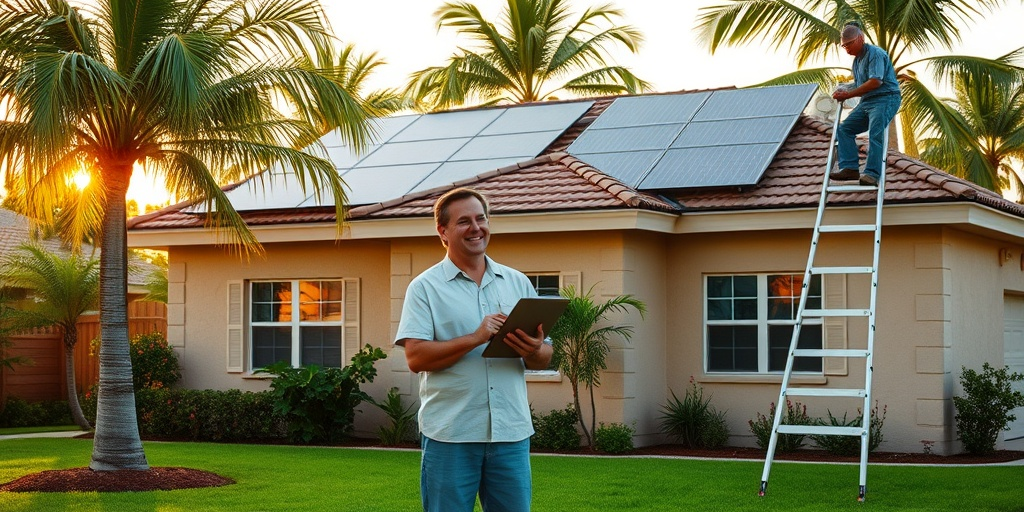
Did you know that solar panels can last over 25 years? Many Florida homeowners are still unaware that regular maintenance and understanding your system can significantly prolong the lifespan of your solar installation. In fact, the average solar panel degrades at a rate of just 0.5% per year, allowing Florida residents to enjoy clean, renewable energy without the constant worry of replacement costs. Welcome to our in-depth guide, “Insider Tips for Understanding Solar Panel Lifespan in Florida.” This guide is crucial for anyone contemplating or already invested in solar energy, especially as new solar incentives and technology are revolutionizing the industry in 2025. According to recent reports, Florida ranks second in the nation for solar energy production, and those numbers are expected to rise as more homeowners switch to solar power (SEIA.org). In this article, we’ll walk you through five sections that will deepen your understanding of solar panel lifespan and help maximize your solar panel investment.
In the next sections, we’ll cover:
- A deep dive into the factors affecting solar panel lifespan.
- The essential checklist homeowners need to follow for optimal performance.
- Common myths surrounding solar energy that need debunking.
- Insights specifically tailored to Florida homeowners and property owners.
- A technical exploration of solar technology and overall system health.
Understanding the Lifespan of Solar Panels in Florida
One of the most significant considerations when investing in solar technology is understanding how various factors can impact the lifespan of your solar panels. For homeowners in Florida, this means more than just selecting high-quality panels and installation services; it encompasses maintenance practices, awareness of Florida’s unique climate challenges, and more. Let’s illustrate this point through an inspiring case study.
Meet Jane, a Florida homeowner who decided to install solar panels on her home in 2021. Despite initial skepticism due to a barrage of myths surrounding solar technology, she committed to her solar journey after extensive research. With a keen eye on her system’s health, Jane followed the essential guidelines to get the most from her installation. Regular inspections ensured that her panels were free from debris and optimized for sunlight absorption. As a result, her solar panels have shown a degradation rate of only 0.3% per year—far below the average. This remarkable achievement brought Jane not only substantial savings on her electric bills but a peace of mind that she seldom worries about her system’s performance five years down the line.
This case illustrates more than just a capable installation; it demonstrates how taking ownership of your solar experience can substantially affect your system’s lifespan and efficiency.
The Essential Checklist for Florida Homeowners
Every homeowner wants to ensure that their solar investment yields maximum returns. To guide you on the right path, here’s a critical checklist designed for Florida homeowners. Each step is vital in prolonging your solar panel lifespan.
- Research Your Solar Provider: Choose a reputable provider with a solid track record. In Florida, the best installers exceed industry standards and offer excellent service guarantees.
- Choose Quality Products: Understand the differences in panel technology. Monocrystalline panels tend to be more efficient and come with longer warranties than their polycrystalline counterparts.
- Schedule Regular Maintenance: At least twice a year, have your panels inspected for dirt buildup and potential shading issues. Simple cleanings can vastly improve performance.
- Monitor Performance: Utilize solar performance monitoring tools that allow you to track energy output. This helps you make timely decisions about potential issues that may arise.
- Consult with Experts: Regularly consult with certified experts who are attuned to Florida’s unique solar landscape. They can provide insight into current incentives and technology upgrades that could benefit you.
Staying proactive is a must if you aim to maximize your solar savings. By consistently working through this checklist, you can prolong the life of your solar system and anticipate upcoming needs.
Debunking Common Myths about Solar Panels
Despite the growing popularity of solar energy, myths continue to cloud the landscape for potential buyers. Let’s tackle some common misconceptions that could hinder your solar journey.
Myth #1: Solar Panels are Ineffective in Cloudy Weather.
This is untrue! Solar panels can still generate energy, even on overcast days. While performance may be reduced, regular sunlight throughout the year ensures that Florida homeowners can still depend on their systems.
Myth #2: Solar Panels Require Constant Maintenance.
Many believe solar installations need extensive upkeep. In truth, they are quite low maintenance compared to other home systems. A simple inspection and cleaning are generally sufficient.
Myth #3: Solar Power is Too Expensive.
While the upfront cost can seem high, federal and state incentives make solar more affordable than ever. Florida homeowners can benefit from various tax credits and rebates that lower installation prices dramatically (DSIREUSA.org).
Myth #4: Solar Panels Damage Your Roof.
This myth is primarily based on outdated information. When installed correctly by professionals, solar panels actually protect your roof and may even extend its life.
Myth #5: All Solar Panels are the Same.
The market offers a variety of solar panels, each with distinct efficiencies and warranties. Do your research to find the right type that fits your needs adequately.
By dispelling these myths, Florida homeowners can approach solar energy with clarity, allowing for confident decision-making as they embrace renewable solutions.
Florida-Specific Factors Affecting Solar Panel Lifespan
Understanding the unique climate and policy factors in Florida is crucial for maximizing your solar panel lifespan. The Sunshine State boasts a tropical climate, which presents both opportunities and challenges for solar technology.
- Hurricane Season: Florida’s susceptibility to extreme weather conditions demands robust installations. Ensure your solar provider implements best practices for resilience to storms and high winds.
- High Humidity Levels: Humidity can cause corrosion if panels are not adequately sealed. Choose models designed to withstand moist environments to prolong their lifespan.
- Sun Exposure: Florida benefits from abundant sunshine, meaning panels can generate significant energy. However, regular cleaning is vital to maintain efficiency. Dust and debris can accumulate quicker than in less sunny areas.
Local incentives further support Florida homeowners in their solar choices. With legislative backing, Solar Energy in Florida is not just a trend—it’s a long-term commitment with exciting opportunities (Energy.gov).
The Technical Ins and Outs of Solar Technology
In this section, we’ll dive deeper into the technical aspects of solar technology. Understanding how panels, inverters, and batteries work together will give you the insight you need to make informed choices.
Solar panels absorb sunlight, converting it into direct current (DC) electricity. However, the majority of home appliances run on alternating current (AC). This transition occurs through an inverter. Choosing a high-quality inverter is essential as it directly impacts the efficiency and lifespan of your solar system.
- Types of Inverters: Microinverters, string inverters, and power optimizers each come with benefits and potential downsides. Understanding these can help you to select the best option for your setup.
- Battery Storage: Opting for a battery system can provide backup energy during outages. Some modern units allow for integrated solar-battery management, enhancing longevity.
- Billing Policies: Familiarize yourself with Florida’s net metering policies. These can affect your return on investment and solar savings.
In sum, understanding these technical components and policies empowers Florida homeowners to optimize every aspect of their solar investments.
Next Steps for Florida Solar Buyers in 2025
Ready to take the plunge into solar energy? Here’s a concise action plan tailored for Florida homeowners interested in transitioning to solar power.
- Step 1: Audit Your Electric Bill. Understanding your current usage is key to estimating the size of the solar system you’ll need.
- Step 2: Research Local Incentives. With various incentives available, consult floridaelectricandsolar.com for the latest updates and potential savings.
- Step 3: Consult a Qualified Installer. Schedule an assessment with a certified solar installation expert who can guide you through options best suited to your needs.
- Step 4: Plan for Maintenance. Establish a routine maintenance schedule to ensure your system remains in top shape.
- Step 5: Stay Informed. Keep abreast of technological updates and policy changes to maximize your investment continuously.
Your journey toward solar energy can transform not only your home but your financial future.
In conclusion, understanding the lifespan of solar panels and taking proactive steps is essential for Florida homeowners wishing to slip into solar energy seamlessly. With risks mitigated and knowledge gained, you can confidently undertake this sustainable journey—from choosing the right panels and maintaining them to debunking myths and understanding our unique Florida climate. The transition to solar power isn’t just an investment; it’s a way to foster a cleaner future for our communities and families.
Ready to start your solar journey in 2025? Connect with a certified expert at floridaelectricandsolar.com today.
Related Articles
More insights about Solar Panel

Florida Homeowners: Why Solar Panel Maintenance Is Essential

7 Essential Steps for Solar Panel Installation Success

Expert Insights: Key Factors Influencing Solar Panel Lifespan
Ready to Go Solar?
Have questions about solar energy? Our experts are here to help you make the switch to clean, renewable energy.