
Is Solar Panel Installation Worth It? Expert Answers for Homeowners
Share:
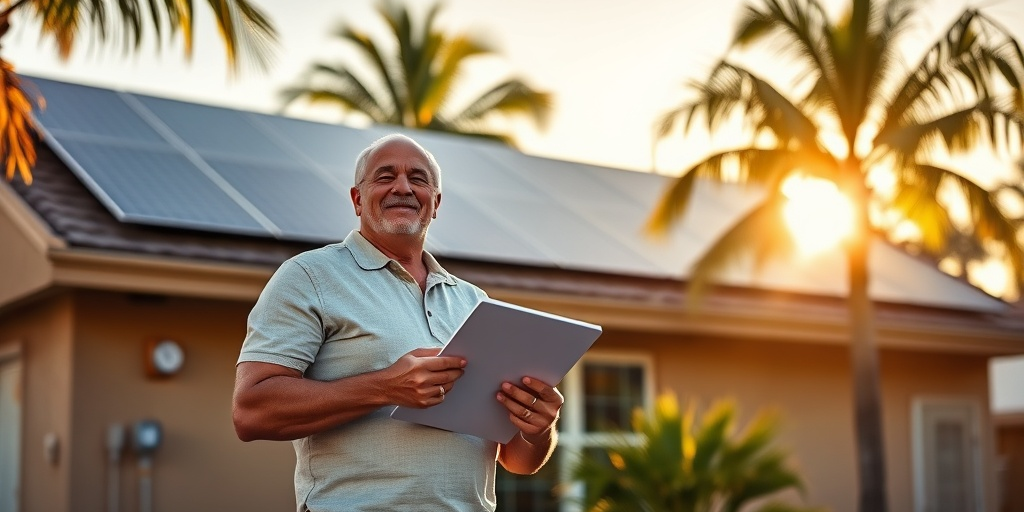
Is Solar Panel Installation Worth It? Expert Answers for Homeowners. This question resonates deeply among Florida homeowners, particularly as energy costs surge and climate challenges grow more apparent. The decision to switch to solar energy isn’t merely a financial one; it represents a commitment to a sustainable future. Consider that Florida ranks third in the nation for total installed solar capacity, with over 5,000 MW installed as of 2023 (SEIA.org). Moreover, homeowners can expect to save approximately $20,000 over two decades with solar energy, enabling them to pocket the cash they would have spent on utility bills (SolarReviews.com). With these figures in mind, the urgency to act is palpable as we approach 2025, where enhanced solar incentives and policies are set to influence the market significantly. In this blog, we will delve into five key sections designed to illuminate your understanding of solar panel installation. We’ll explore a vivid case study, actionable checklists, myth-busting common misconceptions, a local focus on Florida specifics, and a deep dive into the technology powering your future energy independence. Let’s embark on this enlightening journey together.
Understanding the True Value of Solar Panel Installation for Florida Homeowners
Imagine the story of Maria, a homeowner in Orlando. After receiving her utility bill one summer, which soared to nearly $500, Maria was left feeling disheartened. She couldn’t understand how her family’s moderate energy usage could lead to such an astronomical expense. Motivated by the idea of greater control over her energy expenses, she began researching solar options. According to a recent study, Florida residents can save about 75% on their electricity bills after installing solar panels (SolarReviews.com). After consulting Florida Electric & Solar, Maria learned about the latest incentives, as well as federal tax credits that would significantly reduce her upfront costs. On her new solar system, her bill dropped to a mere $50 per month, allowing her to instead channel funds into her children’s education and future. Her experience showcases not only the financial savings solar initiatives bring but also the additional value of peace of mind and autonomy over one’s energy sources.
So, how can other Florida homeowners replicate Maria’s success? Let’s break it down with a comprehensive checklist.
- Assess Your Current Electricity Bills: Gather at least twelve months of electric bills to identify your average usage and peak months.
- Evaluate Solar Potential: Consult with a trusted solar provider to assess your home’s solar potential, including roof orientation and shading from trees.
- Research Local Incentives: Discover federal tax credits and state-specific incentives that make solar installation more affordable.
- Choose the Right Technology: Understand the different types of solar panels, inverters, and batteries to select the best fit for your needs.
- Connect with a Reputable Installer: Ensure your installer is licensed, insured, and experienced in handling solar projects in Florida.
As we dive deeper into this article, we’ll address prevalent myths surrounding solar energy, particularly those that may deter potential customers like you. Did you know that one common myth is that solar energy isn’t a viable option in cloudy regions? In fact, Florida’s sunny climate makes it one of the best states for solar energy generation, with an average of about 237 sunny days per year (Energy.gov). Now, let’s uncover more misconceptions and truths about solar energy installations!
Busting Solar Energy Myths: What You Really Need to Know
The transition to solar can be daunting, especially with the plethora of misconceptions that surround it. Let’s set the record straight.
- Myth #1: Solar Panels Are Too Expensive
While initial costs can be significant, there are numerous financing options available. Additionally, federal tax credits and local incentives can significantly reduce these costs. - Myth #2: Solar Panels Only Work on Sunny Days
Solar panels can still produce electricity on cloudy days, and they are designed to capture a broad spectrum of sunlight, maximizing energy production throughout the day (Energy.gov). - Myth #3: I Have to Buy Solar Panels Outright
Leasing and power purchase agreements (PPAs) are financing options that allow homeowners to access solar energy without the high upfront investment, making solar more accessible. - Myth #4: Solar Energy is Not Reliable
With advancements in battery technology, homeowners can store excess energy generated during the day for use at night, significantly boosting reliability. - Myth #5: Solar Systems Require Excessive Maintenance
In reality, solar panels require very little maintenance, typically just a yearly cleaning to remove debris or dust that can inhibit their efficiency.
Clearing up these myths equips homeowners with the knowledge needed to make informed decisions. The more you know, the more confident you will be in moving forward with your solar journey. Speaking of confidence, let’s focus on actionable steps to ensure a smooth installation experience.
5 Expert Solar Installation Tips for 2025
Embarking on a solar installation journey is not just about selecting panels—it’s about making informed, strategic choices that will pay off in the long run. Here are the vital tips to ensure your solar installation is a success.
- Don’t Skimp on Panel Quality: Invest in high-efficiency solar panels with a strong warranty. Quality panels withstand the Florida sun and maximize power output.
- Proper Panel Placement is Critical: Work with your installer to ensure the panels are positioned for optimal sunlight exposure, avoiding shading from trees or structures.
- Leverage Battery Storage: Consider adding battery storage options to your system. This allows you to store excess energy, providing you with power during outages or after sundown.
- Plan for Future Energy Needs: Anticipate changes in your energy consumption. If you plan to expand your family or have new appliances, build this into your current assessment.
- Regular Monitoring is Key: After installation, regularly monitor your system’s performance to ensure it’s operating at peak efficiency. Most modern systems offer apps for easy access.
By employing these tips, Florida homeowners can avoid common pitfalls while ensuring their solar systems operate at superior efficiency for years to come. With all this information, it’s critical to connect local energy trends and technologies as we explore the next critical aspect of solar energy—understanding the technology behind it.
A Deep Dive into Solar Technology and Its Impact on Florida Homeowners
Understanding the mechanics behind solar installations is crucial for homeowners interested in maximizing their solar investments. Let’s explore how solar panels, inverters, and batteries work together to provide efficient energy solutions.
- Solar Panels: These photovoltaic (PV) cells convert sunlight directly into electricity. The type of panels—monocrystalline or polycrystalline—can greatly affect efficiency and cost.
- Inverters: This system component transforms the direct current (DC) produced by your solar panels into alternating current (AC), which is the form of electricity used in homes. High-quality inverters also manage the energy to ensure it flows properly, reflecting individual energy needs.
- Battery Storage: By integrating battery storage into your system, you can store energy for use when sunlight isn’t available, enhancing reliability and promoting energy independence.
In Florida, with its abundant sunshine and supportive government policies, solar energy systems have significantly enhanced economic opportunities. As many homeowners seek to lower their utility costs while contributing positively to the environment, solar energy provides a solution that checks all the boxes.
Now that we have a grasp of how solar technology functions, let’s move forward into creating a practical action plan specifically tailored for Florida solar buyers in 2025.
Next Steps for Florida Solar Buyers in 2025
The path toward solar energy can seem daunting, but breaking the process into clear steps empowers homeowners to make informed choices. Below is a thorough checklist designed for actionable insight.
- Step 1: Audit Your Electric Bill: Review your past utility bills and identify your average monthly costs. This will help you ascertain potential savings.
- Step 2: Research Local Incentives: Investigate federal tax credits and Florida state incentives that may significantly offset installation costs.
- Step 3: Work with a Trusted Installer: Consult licensed solar installation companies, like Florida Electric & Solar, to obtain estimates based on your energy usage.
- Step 4: Customize Your System: Tailor your solar system based on your individual energy needs and goals, whether it involves battery options or panel orientation.
- Step 5: Monitor Performance: Once installed, use monitoring tools to track performance and ensure your system provides expected savings.
Following these steps enables homeowners to seamlessly migrate into solar energy, maximizing their investments and embracing the power of renewables. Interested in exploring the step further? Visit floridaelectricandsolar.com for guidance and expert insights.
Conclusion: Your Future in Solar Energy
The decision to invest in solar panel installation transcends financial considerations—it’s about shaping a sustainable future for your family and the planet. As highlighted through Maria’s story, actionable strategies, and valuable insights into technology, it’s clear that solar presents numerous benefits for Florida homeowners. Not only can you slash your utility bills and increase your home’s value, but you’re also taking a significant step toward energy independence.
As we look into 2025, the urgency to act couldn’t be better timed. With financial incentives in place and rising energy costs forecasting an uncertain future, securing solar energy as a reliable, cost-effective solution is crucial. Consider how your decisions today will affect your family tomorrow—it’s imperative to choose wisely.
Ready to start your solar journey in 2025? Connect with a certified expert at floridaelectricandsolar.com today.
Related Articles
More insights about Solar Panel

Florida Homeowners: Why Solar Panel Maintenance Is Essential

7 Essential Steps for Solar Panel Installation Success

Expert Insights: Key Factors Influencing Solar Panel Lifespan
Ready to Go Solar?
Have questions about solar energy? Our experts are here to help you make the switch to clean, renewable energy.