
Myth: You Can’t Achieve Energy Independence With Solar
Share:
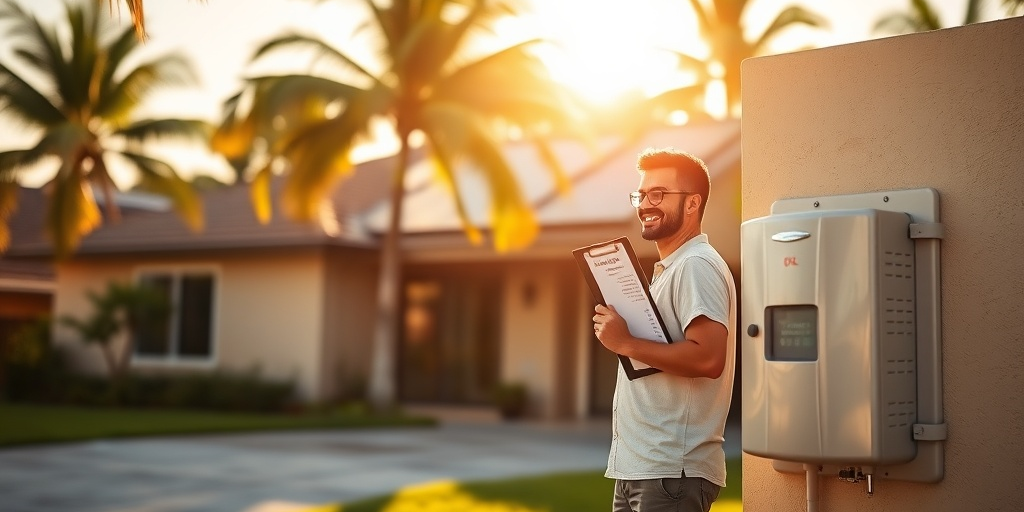
Imagine walking into your home and being greeted by the comforting hum of a fully-functioning solar power system, with energy costs reduced to zero. Sounds like a dream, right? But what if I told you that many Florida homeowners are just a step away from achieving this dream? The commonly held belief that you can’t achieve energy independence with solar is just that—a myth. In this blog titled Myth: You Can’t Achieve Energy Independence With Solar, we’re here to debunk this falsehood and unveil the pathway to true energy freedom through off-grid solar systems. It’s essential to address this topic right now, especially given that renewable energy in the U.S. is set to grow significantly, with forecasts suggesting that solar capacity could increase exponentially by 2025 (SEIA.org). In 2023, one-third of all new energy capacity added in the U.S. was solar, illustrating the urgency for Florida homeowners to embrace this technology now (NREL.gov).
Understanding this myth matters profoundly in 2025 for several reasons: soaring energy costs, new incentives for solar adoption, and the ongoing instability of the grid. Florida offers an abundance of sunlight, making it one of the most advantageous states for solar energy. In this article, we will explore:
- The truth behind energy independence with solar, supported by real-life stories.
- Steps to take for achieving energy independence.
- Common misconceptions about solar energy ownership.
- Florida-specific benefits of solar energy.
- Technical insights into maximizing your solar system’s efficiency.
Let’s dive deeper into why energy independence is not just a dream but an attainable reality through solar power.
The Truth About Achieving Energy Independence with Solar
To fully grasp how solar energy can lead to independence, let’s take a look at the inspiring journey of the Gonzalez family from Tampa, Florida. After years of battling rising energy bills and dealing with frequent outages, they decided it was time to take control. In early 2021, they invested in a fully off-grid solar system, comprising high-efficiency solar panels and advanced battery storage. By the end of 2023, they not only slashed their electricity expenses by 90% but also gained energy security during Florida’s unpredictable storm season.
Here’s what the Gonzalez family’s journey reveals:
- Awareness of Benefits: The first step was understanding the range of financial incentives available. The Gonzalez family took advantage of the Federal Solar Investment Tax Credit (ITC), which allowed them to deduct 26% of the cost of their solar system from their federal taxes.
- Choosing Quality Equipment: They did extensive research to select panels from reputable manufacturers with excellent warranties, ensuring longevity and reliability.
- Engaging Local Experts: Hiring a reputable local solar installation company, such as Florida Electric & Solar, provided them with crucial support and expertise, leveraging their existing knowledge of the unique Florida climate.
Moving forward, the Gonzalez family’s experience illustrates a critical checklist for homeowners looking to achieve energy independence:
- Step 1: Research the benefits of solar energy specific to Florida. You may be pleasantly surprised at the range of financial incentives and rebates available.
- Step 2: Evaluate your energy needs and consider whether an off-grid or grid-tied solar system is best for you.
- Step 3: Research and choose high-quality equipment suited for your local climate to maximize efficiency.
- Step 4: Select a reputable installation company with a commitment to customer service and warranty support.
- Step 5: Plan your energy consumption for optimization. Monitor your energy use with tools the installer provides to assess and adjust as needed.
Now, let’s discuss the prevalent myths surrounding solar energy that keep many homeowners skeptical.
Common Myths About Solar Energy Ownership
It’s time to bust the myths that plague potential solar adopters. Here are five myths accompanied by factual clarifications:
- Myth #1: Solar Energy is Too Expensive – While the initial cost of installation can seem daunting, prices for solar panels have dropped by nearly 70% in the last decade (SolarReviews.com). With various financing options and tax credits, switching to solar could cost less than your current monthly electric bill.
- Myth #2: Solar Panels Don’t Work in Florida – On the contrary, Florida is famously known as the Sunshine State. In fact, Florida ranks second in the nation for installed solar capacity, with an average of over 237 sunny days each year (SEIA.org).
- Myth #3: You Can’t Go Completely Off-Grid – Many homeowners have successfully gone off-grid using energy storage systems that provide electricity during the night or cloudy days. New technologies in battery storage have made this more accessible than ever.
- Myth #4: Installing Solar Panels Decreases Home Value – Research indicates that homes with solar panels sell for 4.1% more on average compared to those without. It’s an investment that not only benefits your wallet but boosts your property value (Energy.gov).
- Myth #5: Solar Is Only for Wealthy Homeowners – In fact, solar energy is becoming increasingly accessible across demographics, with numerous financing programs available to help homeowners from all walks of life invest in solar technologies.
By debunking these myths, we gain clarity on how ordinary Florida homeowners can achieve energy independence through solar energy.
Florida-Specific Solar Energy Incentives
To capitalize on solar energy systems, it’s essential to leverage Florida’s unique landscape and incentives. Florida homeowners stand to benefit tremendously from their solar investments because:
- The Net Metering Policy: Florida’s net metering policy allows homeowners with solar panels to sell excess energy back to the grid. This means that if your solar panels generate more electricity than you use, you can offset your future energy bills.
- Statewide Rebates: Florida also offers various rebates through utility companies. Exploring these programs can decrease your upfront costs significantly (DSIREUSA.org).
- Local Loans and Financing Options: Many financial institutions in Florida offer special solar loans or financing options, making it easier for homeowners to fit a solar installation into their budget.
When combined with the Federal Solar Tax Credit, these local-reaching programs make solar installations significantly more affordable than previously assumed. This combined effort positions Florida at the forefront of the solar energy movement, benefiting homeowners who can both save money and contribute to a sustainable future.
Investing in solar energy in Florida is a multifaceted opportunity — one that can fulfill your financial goals while making a positive environmental impact.
5 Expert Solar Installation Tips for 2025
As we approach 2025, the technology and strategies for solar installations are continually evolving. Here are five expert tips to ensure a successful solar journey:
- Don’t Skimp on Panel Placement: Properly positioning solar panels is vital for maximized energy production. A rooftop facing south is ideal, but east and west placements are also beneficial. Consult your installation expert for the best orientation in your unique environment.
- Choose Quality over Quantity: Investing in high-efficiency solar panels may have a higher upfront cost, but they offer increased energy output and durability. Research brands with positive reviews and long-term warranties.
- Incorporate Smart Technology: Utilize smart energy management systems and monitoring apps to track your solar energy production and consumption, helping you optimize your energy use (EcoWatch.com).
- Understand Your Energy Needs: Before installation, perform an audit of your energy consumption to determine your needs accurately. Knowing your usage patterns will guide your system’s design.
- Plan for Future Expansion: If you anticipate growing your solar system in the future, discuss modular options with your installer. Systems that allow for additional panels will save you money later when you decide to expand.
By being proactive and informed, you can tailor your solar system to best meet your energy independence goals in Florida. Exploring partnerships with local experts like floridaelectricandsolar.com ensures you remain ahead of trends and have comprehensive support throughout your journey.
Meet the Smiths: A Solar Journey in Florida
Take a moment to meet the Smith family from Orlando, who decided to make their solar dream a reality in 2024. They faced many of the same fears and misconceptions common with solar energy, particularly the fear that it would be an inconvenience or impractically expensive. However, these thoughts quickly changed as they began to explore their options.
After attending a solar seminar hosted by a well-known energy consultant, they realized the substantial savings available and decided to invest in a solar energy system. They embraced the aspects of clean energy commitment and sustainability. Within just six months of their installation:
- Their electric bills dropped from more than $200 a month to under $50.
- They increased their home value by an estimated 5% due to the installed solar system.
- They reported feeling more empowered about their energy use and independence.
- They joined a community of solar advocates, sharing their journey and encouraging their neighbors to invest in renewable energy.
The Smiths’ experiences echo the sentiment that pursuing solar energy goes beyond mere financial calculations; it fosters community engagement, increases property value, and enhances satisfaction through energy independence. This is the narrative we need as we move forward into a future where energy sustainability takes precedence.
Next Steps for Florida Solar Buyers in 2025
If you’re ready to take charge of your energy future, follow these actionable steps:
- Step 1: Audit Your Electric Bill: Identify how much you spend monthly on electricity. This gives a clear baseline for savings.
- Step 2: Research Local Incentives: Look into the various rebates and tax incentives available to you as a Florida homeowner.
- Step 3: Contact Local Solar Providers: Schedule consultations with local solar experts to get quotes and understand their offerings.
- Step 4: Evaluate Equipment Quotes: Compare different systems, their warranties, and service commitments from different providers.
- Step 5: Make the Leap: Choose the best option that aligns with your values and budget, and schedule your installation.
Making the move to solar energy means embracing a solution that positively impacts both your finances and the environment. For more personalized advice, connect with a certified expert at floridaelectricandsolar.com who can guide you through the energy independence journey and help achieve your solar aspirations.
In conclusion, the myths surrounding solar energy can cloud the potential benefits it brings. Understanding how to achieve energy independence can transform your home, lower your energy bills, and contribute positively to the environment. The Gonzalez and Smith families exemplify that with thorough research, the right resources, and community support, homeowners across Florida can achieve this dream. With energy prices continuing to rise, now is the time to take action towards energy independence and financial savings.
Ready to start your solar journey in 2025? Connect with a certified expert at floridaelectricandsolar.com today.
Related Articles
More insights about Energy Independence

Myth-Busting Energy Independence: What You Really Need to Know

Myth: Energy Independence Is Impossible for Florida Homeowners

What You Need to Know About Energy Independence with Solar
Ready to Go Solar?
Have questions about solar energy? Our experts are here to help you make the switch to clean, renewable energy.