
Myth-Busting Energy Independence: What You Really Need to Know
Share:
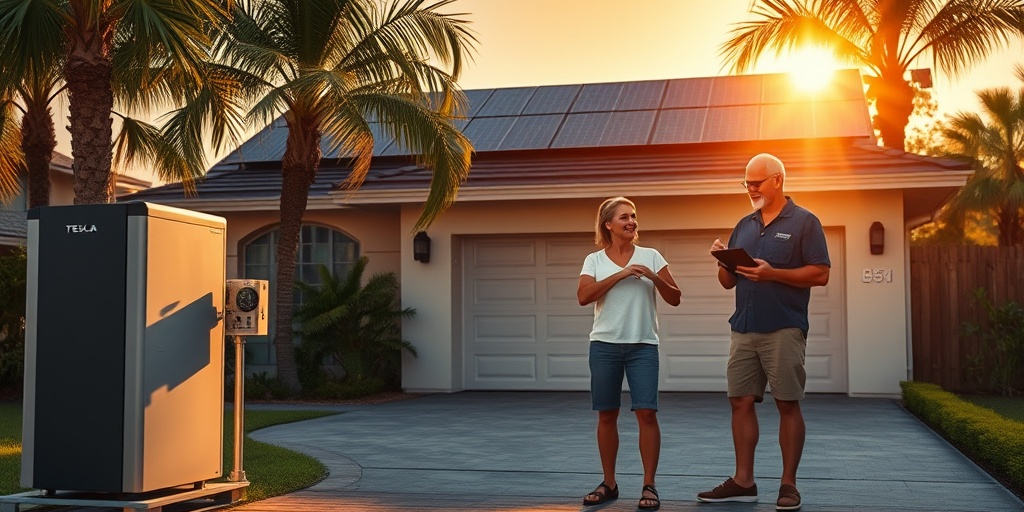
Florida homeowners, have you ever looked at your utility bill and thought, “There must be a better way”? You’re not alone. In fact, as of 2023, nearly 24% of Floridians were already using solar energy, making the Sunshine State a leader in solar adoption (SEIA.org). However, misconceptions about off-grid solar systems often cause hesitation among potential adopters. This leads us to today’s topic: Myth-Busting Energy Independence: What You Really Need to Know. Don’t let misconceptions about off-grid solar systems mislead you—get the facts in this engaging exploration. As we approach the year 2025, we’ll examine the importance of going solar amid rising energy costs and evolving government incentives aimed at aiding homeowners like you. In this article, we’ll cover five crucial sections: an in-depth exploration of common myths around solar energy independence, actionable steps to kickstart your solar journey, best practices for solar installations, a real-world narrative demonstrating the power of solar energy, and a detailed action plan to guide you in becoming energy-independent.
Debunking Common Myths About Energy Independence
When Delilah, a Floridian homeowner, decided to install solar panels on her roof, she was filled with hope. She envisioned slashing her electric bill and, ultimately, becoming energy independent. However, anxiety crept in when she encountered common myths about solar systems. Many people, like Delilah, believe that going off-grid means losing access to the grid altogether. This Myth #1 can quickly deter potential solar adopters. In reality, solar systems can work in conjunction with the grid, allowing homeowners to draw from both sources as needed. This is especially useful during cloudy days or emergencies when immediate power is crucial. According to the Solar Energy Industries Association, solar installations can reduce electricity bills by up to 70% (SEIA.org), which is a significant saving over time.
Myth #2: Off-grid means you’ll be completely independent from the utility. While energy independence is a goal for many, the reality is that most homeowners still choose a grid-tied system. In Florida, a grid-tied system allows you to benefit from net metering, which credits you for excess energy produced and stored in the grid (FloridaPowerAndLight.com). This feature ensures you maintain a balance between energy autonomy and reliability.
Myth #3: Solar systems are inefficient in cloudy weather. This prevalence of doubt is damaging, as solar panels can generate power even on overcast days—albeit at reduced efficiency. Moreover, recent technological advancements have significantly improved solar panel performance, even in less-than-ideal weather conditions. As of 2022, the average efficiency of commercially available solar panels reached about 20% (Energy.gov) and continues to rise.
The current landscape is more encouraging than ever for those considering adoption. As we approach 2025, new policies and rebates target Florida homeowners looking to install solar. The federal solar tax credit will continue to offer significant financial relief, allowing you to deduct a percentage of your solar installation costs from your taxes.
- Actionable Checklist: If you’re seriously contemplating transitioning to solar, here’s a brief Checklist to help guide you:
- Identify your energy needs – Evaluate your current electricity bills to understand your consumption levels.
- Research solar providers – Look for credible Florida-based companies with proven track records.
- Understand installation processes – Familiarize yourself with how long it takes to install solar and what disruptions to expect.
- Explore financial options – Investigate available financing plans, rebates, and incentives.
- Consult with experts – Don’t hesitate to connect with certified solar consultants to clarify any doubts.
Time to bust the myths! Leveraging the right information allows homeowners to make informed decisions that lead to not only substantial savings but also sustainable energy practices. We are just scratching the surface in this solar journey, so let’s explore practical steps for your solar installation.
Actionable Steps to Begin Your Solar Journey
Ready to embark on your journey toward energy independence? It starts with clear actions. Transitioning to solar energy can feel overwhelming, but with a structured approach, it becomes manageable. Follow this simple Step 1 to Step 5 framework to guide you along the way:
- Step 1: Audit Your Electric Bill – Begin by understanding your electricity usage patterns. Analyze your monthly consumption, as this will be instrumental in calculating the solar capacity you need.
- Step 2: Evaluate Your Roof – Not all roofs are ideal for solar panel installation. Ensure your roof is structurally sound and receives ample sunlight to optimize energy production.
- Step 3: Research and Select A Reputable Solar Installer – Look for Florida-based solar companies with strong customer reviews and certifications to ensure a quality installation.
- Step 4: Compare Financing Options – Investigate the available payment plans, such as cash purchases, loans, and lease agreements. Choose the one that fits your financial situation best.
- Step 5: Schedule Your Installation – Once you have all your documents in check, it’s time to set up the actual installation.
These steps, while relatively straightforward, require careful consideration. Each step significantly influences the performance and savings of your solar energy system, making it crucial to pay attention. Solar energy can reduce monthly electric bills, with some homeowners reporting savings of over $1,200 a year after installing solar panels (Energy.gov). Plus, there’s an underlying satisfaction in knowing you’re contributing to a greener planet.
A solid approach paves the way for a fruitful solar experience, guaranteeing you maximize your savings and environmental impact as 2025 approaches. Next, let’s dive into best practices for solar installation.
5 Expert Solar Installation Tips for 2025
As we consider energy independence, a successful solar installation is crucial. To set you up for success, here are five essential tips for a seamless solar experience:
- Don’t Skimp on Panel Placement: The orientation of your solar panels is vital. South-facing roofs often catch the most sunlight in Florida. Be sure your panels are placed in sunlight-rich spots, as failure to do so can dramatically impact energy production.
- Invest in Quality Equipment: Equipment quality matters. Opt for high-efficiency panels and reliable inverters to enhance your system’s performance. Quality solar panels can last 25 years or more, so choose wisely.
- Involve Professionals: Solar installations are not DIY projects. Consult certified professionals to ensure your installation meets local codes and regulations. The probability of achieving optimal performance rises significantly.
- Monitor Your System: Once installed, keep track of your solar system’s performance regularly. Many systems provide monitoring kits to detect any issues early. Regular checks will ensure you’re always maximizing your solar energy output.
- Understand Your Warranty: Every solar panel installation comes with a warranty, typically ranging from 10 to 25 years. Understanding this warranty and keeping records can save you from potential headaches down the line.
By adhering to these best practices, you’ll secure maximum financial and environmental benefits as part of your solar journey. In the next section, we’ll explore a narrative showcasing a Florida homeowner’s real-life experience with solar energy.
A Homeowner’s Journey to Solar Independence
Imagine a sunny morning in Orlando, Florida—a quaint neighborhood filled with palms and the scent of fresh citrus. That’s where Maria and her husband, Jack, made the bold decision to transition to solar in 2025. Faced with rising electric bills and a longing for energy independence, they decided to explore their options.
Before venturing into the installation process, Maria conducted thorough research on the benefits of solar energy. They discovered that Florida homeowners could receive a state tax credit of 26% on their solar projects (SolarEnergy.org), which caught their interest. With minimal upfront costs available through financing options provided by various solar companies, Maria decided to pursue a grid-tied solar system.
Once the panels were installed, their lives began transforming. The couple enjoyed the immediate benefits of energy independence—saving over $100 each month on their electric bills. However, the most significant surprise was the enjoyment of solar energy independence: on cloudless days, they could bask in the knowledge of harnessing the sun’s power.
Factors That Contributed to Their Success:
- Choosing a reputable local installer helped them tap into integrated renewable energy services that seamlessly connected their solar system to the grid.
- Maria meticulously monitored their system performance, addressing minor issues with the help of their installer, ensuring they always operated at peak efficiency.
- They relied on net metering to keep their power bills low, taking advantage of the grid for backup power when necessary.
- Community engagement encouraged them to become local solar advocates, sharing their journey with friends and neighbors who expressed interest in green energy.
Maria and Jack’s experience underlines the tangible benefits of making the switch. The journey toward energy independence can lead not only to financial savings but also to improved environmental sustainability—qualities increasingly vital as we approach the year 2025.
Next Steps for Florida Solar Buyers in 2025
If you’re ready to be proactive, these steps are designed to guide you toward making the most informed decisions about your energy future.
- Step 1: Audit Your Electric Bill
- Step 2: Evaluate Your Roof
- Step 3: Research and Choose a Installer
- Step 4: Review Your Financing Options
- Step 5: Stay Engaged Even After Installation
Understanding your current electricity usage is crucial. Evaluate your monthly energy bill to get a clear picture of your consumption habits. Identify periods of high usage and evaluate how solar might offset costs.
Before installation, ensure that your roof is suitable for solar panels. Make sure there are no major obstructions or significant shading that could inhibit solar energy production.
Finding a reliable, locally-based solar provider should be a priority. Consider customer reviews and ask for detailed proposals to ensure you understand your installation plan, projected savings, and warranties.
Selecting the right payment plan is essential. Investigate available options—such as cash purchases, loans, and leasing arrangements—to identify which best fits your financial strategy.
Once your system is installed, maintain open communication with your installer for any ongoing support issues. Staying informed about the latest rebates and government programs is vital for maximizing your investment.
Taking these steps will enhance your journey toward solar adoption in 2025. Each item you complete brings you closer to lowering your energy bills and achieving greater independence. Let’s wrap up by highlighting why making this transition to solar energy matters.
Conclusion
Energy independence through solar power has become a tangible reality for Florida homeowners and commercial property owners alike. Armed with the right information, resources, and motivations, you can navigate the process with confidence. The insights shared in our exploration of Myth-Busting Energy Independence: What You Really Need to Know demonstrate that overcoming misconceptions about solar energy is entirely possible. The benefits are remarkable: up to 70% savings on your electricity bills, community engagement, and contributing to a sustainable future.
As we look forward to 2025, the shifting landscape of energy costs, grid stability, and government incentives ensures the importance of embracing solar energy cannot be overstated. Deciding to go solar not only empowers you but also conveys a powerful message to your community: together, we can create a greener future. So, are you ready to start your solar journey in 2025? Connect with a certified expert at floridaelectricandsolar.com today.
Related Articles
More insights about Energy Independence

Myth: You Can’t Achieve Energy Independence With Solar

Myth: Energy Independence Is Impossible for Florida Homeowners

What You Need to Know About Energy Independence with Solar
Ready to Go Solar?
Have questions about solar energy? Our experts are here to help you make the switch to clean, renewable energy.