
Myth-Buster: Common Misconceptions About Solar Panel Maintenance
Share:
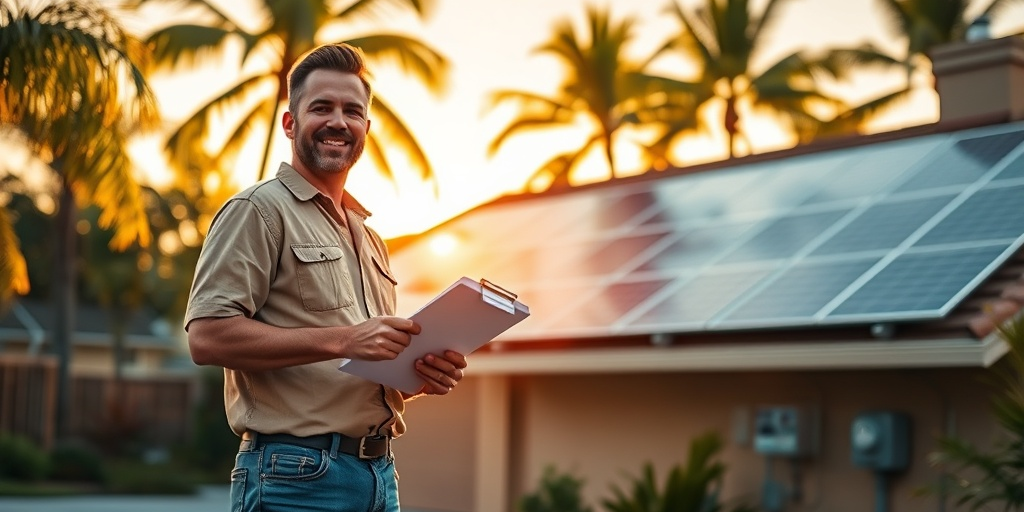
When you think about solar panels, what comes to mind? For many homeowners in Florida, the idea of installing solar energy systems sparks excitement about energy savings and environmental benefits. However, lurking beneath this enthusiasm is a cloud of misconceptions about solar panel maintenance, which can deter potential buyers from making the switch. In fact, a recent study showed that 80% of homeowners have misconceptions about solar panel upkeep (SolarReviews.com). This is precisely why we are delving into this vital topic in our article titled, Myth-Buster: Common Misconceptions About Solar Panel Maintenance.
In 2025, going solar will not only help you cut rising energy costs—but it will also contribute to a cleaner Florida free from fossil fuel dependencies. According to the U.S. Department of Energy, solar prices have dropped by nearly 90% over the last decade (Energy.gov), making solar more accessible than ever. Yet, despite these encouraging trends, many Florida homeowners continue to believe harmful myths that discourage them from investing in solar power. By understanding the truths behind solar panel maintenance, you can ensure a smooth transition to a more sustainable energy source.
In this article, we will tackle five common myths about solar panel maintenance. You’ll also gain insight into practical steps you can take to maintain your system, expert tips for optimal installation, and real-world experiences from fellow Florida residents navigating their solar journeys. These myths include, but are not limited to, assumptions that solar panels require constant care, that they fail easily, or that all maintenance is costly and complicated. We will also explore technical deep dives into the innovative technologies behind solar systems and the latest Florida policies affecting solar power adoption.
So, let’s unravel the truths surrounding solar panel maintenance, ensuring you can confidently step into a future powered by clean, renewable energy.
Understanding Solar Panel Maintenance Myths
As solar energy becomes increasingly popular in Florida, homeowners often stumble upon a maze of misinformation regarding solar panel maintenance. One common myth is that solar panels are high-maintenance systems that demand constant attention. In reality, once you install a solar energy system, maintenance is not only less frequent than you might think, but it also demands far less effort than anecdotal evidence suggests. Let’s explore a real case study to illustrate this point.
Case Study: Meet the Johnson family from Orlando. They made the leap to solar energy late last year, motivated by rising electricity costs and environmental concerns. Before their installation, they often heard from friends and family about the “arduous upkeep” of solar systems. They worried about the expense of constant servicing, alarming malfunction rates, and unforeseen repair costs. However, after six months of enjoying their new solar setup, fatefully, they encountered none of these anticipated challenges.
Instead, maintaining their solar panels turned out to be straightforward. They conducted an occasional visual inspection to clear any debris but let their chosen solar provider handle any necessary maintenance checks. Over time, the Johnsons discovered that many myths regarding solar panel maintenance were unfounded. According to research by the Solar Energy Industries Association (SEIA), solar systems require little maintenance beyond routine cleaning, significantly lowering ongoing costs and effort for homeowners.
5 Steps to Maintain Your Solar Panels Effectively
Step 1: **Regular Visual Inspections:** The easiest maintenance step involves inspecting your panels for dirt, leaves, or debris that could block sunlight. Conduct this inspection every few months and after storms or high winds. A clean panel is more efficient, which leads to maximized solar savings.
Step 2: **Hose Down the Panels:** If dirt accumulates, it may be necessary to gently rinse the panels with a hose. Ensure to do this early in the morning or late in the evening to avoid thermal shock, which could damage the panels.
Step 3: **Consider Professional Cleaning:** For homeowners who live in areas with heavy tree coverage, you can schedule a professional cleaning service to help maintain efficiency. This proactive solution can help avoid buildup from falling leaves or sap.
Step 4: **Monitoring Performance:** Keep an eye on the energy production through your solar inverter. If you notice a significant drop in output without any changes in weather or circumstances, it may be time to contact your installer.
Step 5: **Annual Maintenance Check-up:** Schedule an annual check-up with your solar installer or maintenance provider to ensure all equipment is in good condition. This step can help you catch and address potential issues early, leading to long-term efficiency and savings.
All in all, routine maintenance involves little more than occasional checks and cleanings, especially when you have the support of experts in the field. Florida Electric & Solar offers specialized maintenance programs tailored for homeowners concerned about their systems’ long-term performance—making it easier than ever to embrace renewable energy.
Debunking Solar Maintenance Myths
Now that you understand the practical steps for maintaining your system, it’s time to tackle the myths that often deter potential solar buyers in Florida.
Myth #1: Solar panels are always dirty and require frequent cleaning. While some dust and debris can accumulate, rainwater often cleans solar panels effectively. In most cases, an annual visual check with occasional rinsing is all that’s needed (NREL.gov).
Myth #2: Solar panels are too complicated and expensive to maintain. Many homeowners do not realize that annual professional servicing can cost as little as $150 a year. Additionally, warranties often cover repairs, meaning the risk of significant bills is very low.
Myth #3: If one panel fails, the whole system goes down. In a well-designed solar system, individual panel failures typically do not impact the entire system’s functionality. Modern systems contain monitoring technology that alerts homeowners long before a minor issue escalates into major downtime.
Myth #4: Solar maintenance requires expertise or special tools. Most maintenance steps, such as visual inspections and cleaning, require nothing more than basic tools or household items. For anything more complex, your installer remains just a phone call away.
Myth #5: If my system breaks, I’ll be left with unexpected expenses. Most solar installations come with robust warranties that protect against panel and inverter malfunctions. Furthermore, reliable companies, such as Florida Electric & Solar, offer flexible maintenance plans to relieve any fears about breakdowns or upkeep expenses.
Understanding these myths is crucial in empowering you as a homeowner to act against misinformation. This is especially important as you navigate the shifting landscape in 2025—where facing skepticism can lead to missed opportunities for maximizing solar power investment.
5 Expert Solar Installation Tips for 2025
As you consider purchasing a solar power system in 2025, keep these expert installation tips in mind to safeguard your investment and maximize your energy savings.
1. Choose Reputable Installers: Prioritize companies with positive reviews, extensive experience, and appropriate licenses. Researching customer feedback can help ensure you partner with trusted professionals who prioritize customer satisfaction.
2. Evaluate System Design: Every property requires a tailored design to optimize solar panel placement. Understand how terrain, roof orientation, and sun exposure will affect efficiency—ask your installer about options to improve performance.
3. Utilize Energy Storage: As battery technology continues to advance, integrating energy storage solutions can help you store excess energy generated during the day for usage at night, enhancing your energy independence.
4. Keep Updated with Local Regulations: As policies, rebates, and incentives rise and fall, keep abreast of Florida’s solar energy policies. Local incentives can further enhance financial savings.
5. Adopt Monitoring Systems: Regularly monitor your system’s output through dedicated apps and dashboards. Such tools allow you to visualize your progress, enabling proactive engagement with your solar investment.
By taking these steps and focusing on exemplary installation practices, Florida homeowners can confidently transition to solar energy solutions while reaping the benefits of long-term savings and protection of their investment.
A Narrative Journey: The Solar Story of the Martinez Family
Imagine the Martinez family, who reside in the heart of Tampa. After years of enduring high energy bills, they decided to invest in solar energy. Initially skeptical about maintenance, Francisco, the father, worried about the upkeep costs associated with solar panels. He recalled hearing horror stories about solar systems that faltered, leaving families with sky-high expenses.
Nonetheless, armed with research and testimonials from neighbors that went solar, the Martinezes decided to take the plunge. Six months into their solar journey, not only did they relish a noticeable dip in their electric bills, but they also discovered an ease in maintenance that defied all expectations. They became enamored with the freedom of owning their power, even sharing their experience with friends and family, dispelling doubts along the way.
According to the National Renewable Energy Laboratory (NREL), low maintenance costs are one of the most significant upsides of solar energy, making it an optimal choice for modern Florida homeowners. Here are a few highlights that the Martinez family shared:
- Affordability: Their switch to solar reduced their monthly energy costs by over 50%.
- Independence: With a solar battery system, they began feeling “off-the-grid” freedom.
- Environmental Impact: Knowing they’re reducing their carbon footprint inspired their children to take interest in sustainability.
Their story reflects the broader narrative emerging in Florida, where homeowners are more frequently seeing the benefits of solar energy firsthand. As we look towards 2025 and beyond, the Martinez family’s journey underscores the need to overcome myths surrounding solar panel maintenance, paving the way for thousands of Floridians seeking greener futures.
Next Steps for Florida Solar Buyers in 2025
If you’re considering a move to solar in 2025, here’s a practical checklist of steps to ensure a successful transition:
Step 1: Audit Your Electric Bill – Begin by reviewing your electric bills from the past year. Understand your current energy usage and costs to identify potential savings.
Step 2: Research Solar Options – Spend time researching different solar panel types, inverter options, and installers. Assess what will work best for your home and energy goals.
Step 3: Evaluate Local Incentives – Investigate any state-sponsored rebates, tax credits, or financial incentives available to Florida homeowners. These can drastically reduce installation costs.
Step 4: Set Up Consultations – Engage multiple solar companies for consultations and quotes. This competitive approach helps you identify value and trusted installers.
Step 5: Review your Maintenance Plan – Once installed, look for professional maintenance plans. Speak to your installer about their recommendations for upkeep and any warranties.
While these steps may seem straightforward, they are vital to alleviating uncertainty and ensuring you feel confident in your decision to go solar. For more tailored services and insights, utilize Florida Electric & Solar’s expertise as you venture into solar energy today!
In conclusion, as you journey through the realms of solar energy, remember the importance of separating fact from fiction regarding solar panel maintenance. Remaining informed about misunderstanding and educating yourself can empower you to take control over your home’s energy needs. Transitioning to solar energy not only contributes to financial well-being but also supports community effort toward sustainability. Knowledge is the key to unlocking this cleaner future—and in 2025, it is time for you to embrace innovative solutions that redefine energy consumption.
Ready to start your solar journey in 2025? Connect with a certified expert at floridaelectricandsolar.com today.
Related Articles
More insights about Solar Panel

Florida Homeowners: Why Solar Panel Maintenance Is Essential

7 Essential Steps for Solar Panel Installation Success

Expert Insights: Key Factors Influencing Solar Panel Lifespan
Ready to Go Solar?
Have questions about solar energy? Our experts are here to help you make the switch to clean, renewable energy.