
Myth-Buster: Debunking Common Misconceptions About Solar Panel Installation
Share:
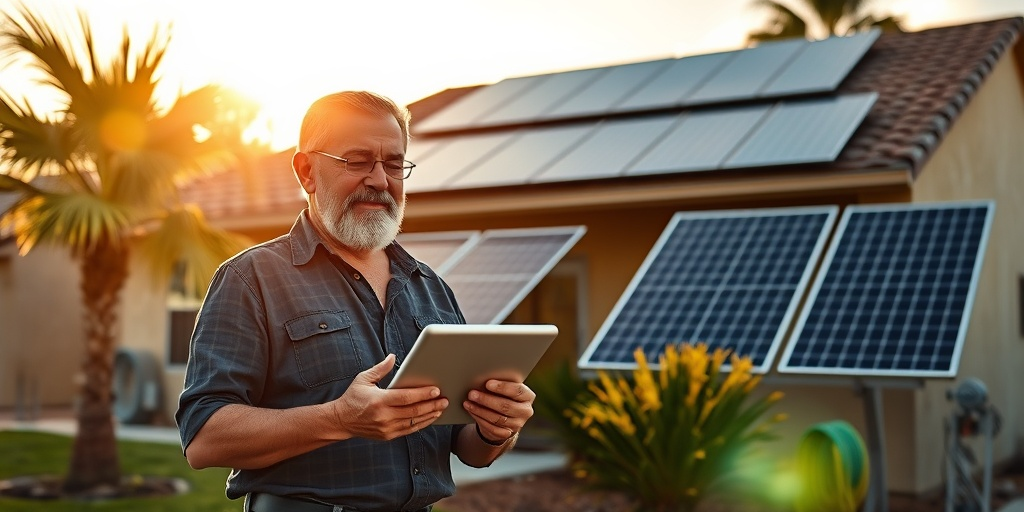
In a world where homeowners are seeking sustainable solutions to control rising energy costs, misconceptions about solar energy can cloud judgment and deter investment in such a transformative technology. In fact, many Florida homeowners are still hesitant about going solar due to several entrenched myths that have a basis in outdated information or misunderstanding. For instance, did you know that solar energy usage in Florida has increased by over 40% in just the last five years? Or that Florida ranks third nationwide in installed solar capacity? These statistics highlight not only the growing popularity of solar energy but also its viability in states like Florida. This article, titled “Myth-Buster: Debunking Common Misconceptions About Solar Panel Installation”, aims to shed light on the truths behind solar energy and debunk these myths that may mislead potential adopters. The urgency to discuss this topic has never been higher as we approach 2025, where innovations in solar technology, federal incentives for renewable energy, and the pressing reality of climate change combine to create a moment for informed decision-making. In this article, we will explore five sections: Common Myths, Essential Actionable Steps, Best Practices for Solar Installation, Real-life Solar Experiences in Florida, and Next Steps for Solar Buyers. Each section is designed to clarify the confusion surrounding solar energy, empowering you to make educated decisions about solar panel installation.
Myth #1: Solar Panels Are Too Expensive
Many homeowners believe the initial investment for solar panels is prohibitively expensive. While it’s true that the upfront costs can seem high, the long-term savings and available financing options often make solar energy an incredibly wise investment. For instance, many Floridians qualify for state and federal tax credits, which can significantly offset the initial expenses. The current federal solar tax credit allows homeowners to deduct 26% off the total cost of their solar panels, a benefit that will decrease to 22% in 2023 (Energy.gov). Moreover, solar panel prices have dropped by over 70% in the last decade due to technological advancements and increased competition. This makes solar not only a feasible option but also an economically savvy one.
- Case Study: Let’s take a closer look at Emily and John, a young couple living in Tampa. With an initial installation cost of $20,000, they were concerned about how they could fit it into their budget. However, after applying for the federal tax credit, their expenses dropped to $14,800. With a projected yearly savings of around $1,500 on their electric bill, they found that the panels would pay for themselves in less than 10 years. Over the lifespan of their system, they could anticipate savings exceeding $30,000.
- Myth Buster: The belief that solar panels are unaffordable neglects the potential savings over time. A solar installation can increase your property value, and many financing options are available that require little to no money down, meaning homeowners can start saving on energy costs immediately.
Myth #2: Solar Panels Don’t Work on Cloudy Days
Another common misconception is that solar panels are ineffective in cloudy weather. In reality, solar panels can still produce energy even on overcast days. The efficiency of panels may decrease slightly under cloudy conditions, but they can still capture enough sunlight to generate power. In Florida, where the sun shines approximately 237 days a year on average, homeowners can expect consistent energy generation overall. Interesting fact: research shows solar panels only need to receive about 25% of direct sunlight to function effectively (SolarReviews.com).
- Checklist:
- Step 1: Research quality solar panel brands known to perform well in various weather conditions.
- Step 2: Consult with local solar energy experts to get performance data reflective of Florida’s climate.
- Step 3: Consider reading customer testimonials about effectiveness during different weather scenarios.
- Step 4: Evaluate the performance specifications of the panels based on energy output in different conditions before installation.
Myth #3: Solar Energy Requires a Lot of Maintenance
Many people fear that solar installations come with a long list of maintenance requirements. However, solar panels are remarkably low-maintenance. After the initial installation, homeowners are encouraged to keep their panels clean and conduct regular inspections — but this does not involve a complex or time-consuming process. In fact, professionally installed panels require minimal care, with most needing just a simple rinse to remove dust or debris. According to the National Renewable Energy Laboratory (NREL), most solar panels last about 25 years, and their output only decreases slightly over time, typically around 0.5% per year.
Myth Buster: Confusion arises from the idea that traditional energy systems require constant attention. Conversely, solar energy systems are designed to be self-sufficient with limited maintenance requirements, which should be considered a strong selling point for Florida homeowners looking to make a transition to cleaner energy sources.
Myth #4: You Can’t Use Solar Power During Outages
One of the most pervasive myths surrounding solar energy is that homeowners cannot utilize their solar power during a grid outage. While it’s true that most grid-tied solar systems will shut down for safety reasons during blackouts, homeowners can choose to invest in battery storage systems that store energy for use when the grid goes down. Florida has emerged at the forefront of this technology thanks to numerous solar providers offering battery systems such as the Tesla Powerwall.
- Local Focus: In areas of Florida prone to hurricanes or severe storms, backup battery systems are especially important. The likelihood of power outages heightens during the hurricane season, and having a solar battery backup can provide homeowners peace of mind and a continuous power source.
- Stat: In 2022 alone, nearly 45% of solar systems in Florida were paired with battery storage solutions (Renewable Energy World).
Myth #5: Solar Energy is Only for Homes
There’s a pervasive notion that solar installation is only beneficial for residential properties. This misconception is widely outdated as many commercial properties in Florida are beginning to capitalize on solar technology, leading to significant savings. As companies increasingly seek sustainable practices, installing solar systems on commercial buildings is a highly efficient way to cut operational costs and improve their environmental footprint.
- Action Plan for Businesses:
- Step 1: Conduct an energy audit to evaluate the potential benefits of solar energy for your operation.
- Step 2: Analyze available incentives for businesses, such as the federal solar investment tax credit.
- Step 3: Engage local solar providers for estimates and system specifications.
With solar energy solutions rapidly advancing and commercial installations on the rise, businesses can harness the power of the sun to benefit not only their bottom line but also the environment.
5 Expert Solar Installation Tips for 2025
The future of solar energy is bright, especially for Florida homeowners eyeing solar panel installation in 2025. However, to maximize your investment, it’s essential to be well-informed. Here are five expert tips:
- Don’t Skimp on Panel Quality: It’s tempting to opt for cheaper panels, but investing in high-quality brands can lead to better performance and durability.
- Research Local Incentives: Federal and state incentives can significantly reduce costs; stay updated on forthcoming programs in Florida before making a decision.
- Think About Orientation and Placement: Solar panels work best when facing south. Working with a local installer can help achieve optimal placement.
- Explore Battery Storage Options: As discussed, pairing your solar installation with a battery storage system can protect against power outages and enhance energy independence.
- Consult with Local Experts: Tap into the wealth of knowledge that local solar experts can provide; they understand Florida’s unique climate impact on energy systems.
Next Steps for Florida Solar Buyers in 2025
As you consider transitioning to solar energy, it’s essential to have a well thought out action plan. Getting started can feel overwhelming; thus, we’ve outlined straightforward steps to simplify the process:
- Step 1: Audit Your Electric Bill to understand your energy consumption patterns and identify your potential savings with a solar system.
- Step 2: Research Solar Providers in your area. Always look for qualified, certified installers who can guide you through the process.
- Step 3: Evaluate Solar Panel Options. Research different types of panels, inverters, and batteries available to find what fits best for your energy needs.
- Step 4: Take advantage of local, state, and federal incentives that can help offset installation costs.
- Step 5: Schedule a Consultation with a certified expert who can provide a tailored proposal for your solar system.
Ready to start your solar journey in 2025? Connect with a certified expert at floridaelectricandsolar.com today.
Conclusion
The journey through the world of solar energy need not be a daunting one. Armed with facts, clarity, and comprehensive understanding, Florida homeowners can take assured steps toward a sustainable future. From debunking myths surrounding the affordability of solar installations to clarifying misconceptions about efficiency, this guide serves as a beacon for those considering solar in 2025. Every note on energy independence, financial incentive, and technological advancement paints a picture of promise. Every installed solar panel marks a step forward not only for family savings but for the environment, ensuring a brighter future for generations to come. The time is ripe to invest in solar technology; do not let uncertainty or misinformation hold you back.
For homeowners ready to switch to a sustainable energy source, solar panels offer much more than electric savings. They present an opportunity to contribute to a cleaner planet, enhance property values, and reduce dependency on fossil fuels. Make an informed decision today and take part in this energy revolution in Florida.
Ready to start your solar journey in 2025? Connect with a certified expert at floridaelectricandsolar.com today.
Related Articles
More insights about Solar Panel

Florida Homeowners: Why Solar Panel Maintenance Is Essential

7 Essential Steps for Solar Panel Installation Success

Expert Insights: Key Factors Influencing Solar Panel Lifespan
Ready to Go Solar?
Have questions about solar energy? Our experts are here to help you make the switch to clean, renewable energy.