
Myth-Buster: Debunking Common Misconceptions About Solar Panel ROI
Share:
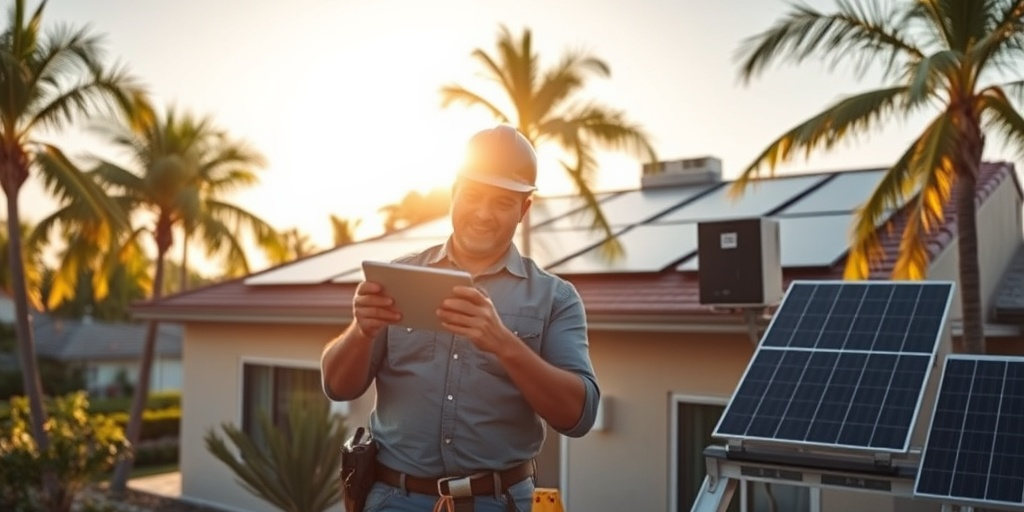
In a world where energy costs are skyrocketing and the climate crisis looms, many homeowners are seeking ways to save money while contributing positively to the environment. Did you know that, according to a recent report by the Solar Energy Industries Association, the residential solar market in Florida is projected to grow by more than 10% in 2025? This surge is primarily driven by increased awareness and accessibility of solar technology. Yet, amidst this excitement, countless myths prevail that can cloud homeowners’ understanding of the true return on investment (ROI) of solar panels. Welcome to our article titled Myth-Buster: Debunking Common Misconceptions About Solar Panel ROI, where we embark on an enlightening journey to debunk these myths, equipping you to make informed decisions about your energy future. In 2025, the urgency to install solar panels will be amplified by rising utility costs, exciting new solar incentives, and an increasing focus on reducing carbon footprints. This guide is crucial for Florida homeowners and commercial property owners who want to navigate the evolving landscape of solar energy. Throughout this article, we will explore five critical sections: first, an angled deep dive filled with relatable stories and clear checklists; second, common misconceptions debunked with factual clarity; third, best practices for installations; fourth, a narrative of a Floridian’s solar journey; and fifth, a detailed action plan to ensure you’re equipped to take the next step toward solar ownership.
The ROI of Solar Panels: Separating Fact from Fiction
Let’s start with a compelling story that frames our exploration. Meet Sarah, a Florida homeowner who, after years of rising utility bills, decided to invest in solar panels. Initially hesitant, fueled by myths surrounding solar ROI, Sarah dreamt of freeing her home from the burdens of increasing energy costs. After consulting with a local expert, Sarah learned that, on average, residential solar customers in Florida save around $20,000 across 20 years (SolarReviews.com) of ownership. This figure alone shattered her doubts. But myths still hung over her decision-making process.
- Understand the Cycle of Savings: The benefits of solar energy can extend for decades, resulting in substantial savings over time. Evaluating past trends can give you insight into future pricing.
- Factor in Incentives: Various local and federal incentives can drastically alter the financial landscape of your investment.
- Evaluate Your Home’s Energy Needs: Assessing your current electric bill can reveal how solar can meet and potentially exceed your energy requirements.
- Consider Future Energy Needs: As your family grows or your business expands, anticipate how solar energy can accommodate those changes.
- Explore Financing Options: Solar financing is evolving, with options ranging from cash payments to long-term loans or leasing agreements.
Let’s bust some myths that can potentially derail your solar journey.
- Myth #1: Solar Panels Are Too Expensive: Many homeowners believe that the up-front costs are prohibitive, but the wealth of financing options available today makes solar accessible to most budgets.
- Myth #2: Solar Energy Isn’t Reliable: With advancements in technology, solar panels now operate effectively even on cloudy days, and energy storage options such as batteries can mitigate concerns during outages.
- Myth #3: You Can’t Sell Your Home with Solar Panels: In fact, homes with solar panels often sell 4% faster than their counterparts (Energy.gov), and buyers frequently view the system’s energy savings as a major positive.
- Myth #4: Florida’s Weather Isn’t Ideal for Solar: The Sunshine State ranks among the top three states in solar energy generation, with an average of 237 sunny days per year.
- Myth #5: You Will Not See Any Returns: Studies indicate that homeowners can recoup up to 90% of their solar investment upon selling their property.
As we transition deeper into understanding the common misconceptions surrounding solar ROI, we see that the clarity of understanding is vital. The solar industry in Florida continues to mature, offering homeowners not just economic savings, but an opportunity to take control of their energy future while fostering a cleaner environment.
Unlocking the Secrets of Your Solar Investment
When it comes to truly understanding the return on investment for solar panels, one must grasp that the journey of a solar investment is intrinsic to both emotional and financial dimensions. You don’t just install solar panels; you initiate a transformation not only in your electricity usage but also in your everyday life.
- Lower electricity bills: Homeowners who install solar can expect average monthly savings of up to $150 (SolarReviews.com) on their electricity bills.
- Increase your property value: Installing solar can increase your home’s value by approximately 3-4%.
- Environmental impact: Transitioning to solar can significantly reduce your carbon footprint; an average residential solar system can offset about 100,000 pounds of carbon dioxide emissions over 20 years (NREL.gov).
- Energy independence: With a solar panel system, you can become less reliant on the energy grid, protecting yourself from fluctuating energy prices.
- Tax credits and incentives: Federal tax credits as high as 26% of the total installation cost are available through 2022 (and set to drop thereafter), offering an immediate financial benefit.
One essential aspect to consider when weighing your options is Florida’s specific solar policies such as net metering and the Property Assessed Clean Energy (PACE) program. Both have significant implications for ROI. Through net metering, solar homeowners can sell surplus energy back to the grid, effectively reducing their electricity bills significantly (SolarPowerWorld.com).
As you analyze solar technologies, from solar panel types to inverters, understanding their mechanics is essential. For 2025, new panel technologies are emerging, including bifacial solar panels that capture sunlight on both sides, and energy storage advancements that allow for greater efficiency and reliability.
Best Practices for Going Solar in Florida
Ready to bring solar power to your home in 2025? Here are five expert tips that can help ensure you maximize your investment and reduce friction throughout the process:
- Don’t skimp on quality: High-quality solar panels and inverters may be more expensive upfront but will provide better performance and longevity.
- Get multiple quotes: Different solar installers offer varying financing options and services. Comparison shopping can yield significant savings.
- Research incentives thoroughly: Be aware of local, state, and federal incentives that can drastically reduce your initial investment.
- Consult with experts: Going solar is an investment. Consult with solar experts to tailor the system according to your needs.
- Stay informed on policy changes: Keeping up with Florida’s evolving solar laws and incentives can help you make the best decisions.
With approximately 1.375 million solar power systems operating throughout the state (SEIA.org), Florida is leading the way in solar adoption across the nation. By following these steps, you can not only install solar panels that meet your energy needs but also contribute to Florida’s commitment to renewable energy. To explore further resources, check out floridaelectricandsolar.com.
A Floridian Homeowner’s Solar Journey
Imagine a young family in Sarasota. Like other homeowners, they wished to lower their electricity bills but were unsure whether solar energy was the answer. Jake and Emma, the homeowners, became aware of the local community’s dedication to solar through the environmental effects they were witnessing. The family decided to conduct thorough research and consult with local experts. They learned about various financing options available to them, including a 30-year loan at an attractive interest rate that allowed them to install panels with no initial out-of-pocket costs.
- Initial Consultation: Jake and Emma met with multiple solar installers, each outlining different system types, including traditional monocrystalline and newer technologies.
- Financing Decisions: They opted for a loan with no down payment, ensuring they immediately benefited from savings on their utility bills.
- Installation Day: The family was nervous about the installation but was excited when the team completed the process within just a few hours.
- First Electricity Bill: They opened their bill a month later and were astonished to see savings of over $180 compared to the previous year.
- Future Growth: With expansion plans for the family, solar panels provided an opportunity to grow into energy independence.
This tale of Jake and Emma is emblematic of what many Florida homeowners are experiencing as solar technology continues to evolve. The emotional benefit coupled with the inherent financial advantages has helped to transform their home into a beacon of renewable energy. Today, they not only enjoy savings but also take pride in contributing positively to the planet.
Next Steps for Florida Solar Buyers in 2025
As we conclude this exploration of misconceptions surrounding solar panel ROI, let’s delve into actionable steps as you embark on your solar journey. Implementing this step-by-step action plan can significantly ease the transition to solar energy ownership:
- Audit Your Electric Bill: Gather your past utility bills for the last 12 months to evaluate your energy usage trends and cost.
- Research Solar Providers: Look beyond just pricing. Evaluate performance history, customer feedback, and local financing programs.
- Know Your Incentives: Understand the federal, state, and local tax credits and rebates available to you, and how they can impact your financing.
- Schedule a Consultation: Meet with reputable solar experts who can provide tailored recommendations based on your energy needs.
- Finalize Your Agreement: Once you understand the terms, finalize your investment and prepare for installation.
Remember, solar energy isn’t merely a concept; it’s a tangible way to ensure energy independence and environmental responsibility. Explore additional resources about solar by visiting floridaelectricandsolar.com to kickstart your solar initiative today.
Conclusion: Your Solar Future Awaits
Throughout this journey, we’ve dismantled common myths around solar panel ROI and illuminated the reality that solar ownership in Florida is not just a dream but an attainable goal for many. From the stories of homeowners like Sarah, Jake, and Emma to the actionable strategies we’ve outlined, understanding returns on investment in solar is crucial in the context of the broader energy landscape in 2025. This decision impacts your financial future, your family’s wellbeing, and the health of our planet.
In a state blessed with an abundance of sunshine and favorable policies, the time to embrace solar energy is now. Whether you are looking to reduce your utility bills, increase your property value, or mitigate environmental impact, solar can be a pivotal solution. Ready to start your solar journey in 2025? Connect with a certified expert at floridaelectricandsolar.com today.
Related Articles
More insights about Solar Panel

Florida Homeowners: Why Solar Panel Maintenance Is Essential

7 Essential Steps for Solar Panel Installation Success

Expert Insights: Key Factors Influencing Solar Panel Lifespan
Ready to Go Solar?
Have questions about solar energy? Our experts are here to help you make the switch to clean, renewable energy.