
Myth-Buster: Dispelling Common Misconceptions About Solar Panel Installation
Share:
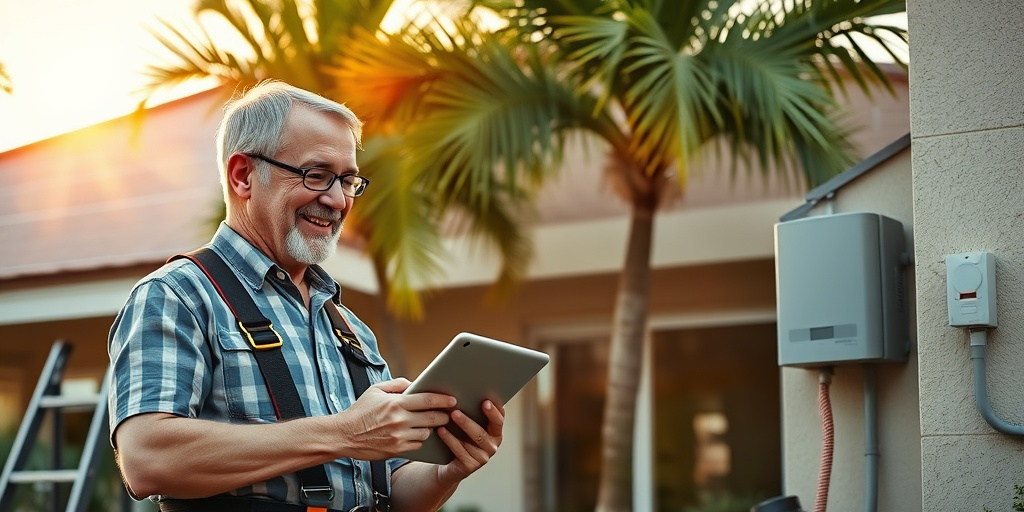
Imagine waking up to a bright Florida morning, sunlight pouring through your windows, and knowing that you have broken free from the chains of rising energy costs. It’s a dream for many homeowners and commercial property owners in 2025, but confusion and misconceptions can often cloud this vision. In our blog titled Myth-Buster: Dispelling Common Misconceptions About Solar Panel Installation, we aim to clear the air and provide you with truths that can help you make informed decisions about going solar. Recent studies show that Florida is the second-largest market for solar installations in the U.S., boasting over 15,000 jobs in the industry (SEIA.org), with expectations to grow as incentives increase and technology improves. Thus, ignoring solar energy could mean missing out on significant savings of nearly 30% on your electric bills (NREL.gov). In 2025, it’s more important than ever to separate fact from fiction as you consider making the switch.
In this comprehensive guide, we will cover five key aspects of solar power installation: from real homeowner stories to actionable checklists, as well as debunking the prevalent myths that leave many hesitant. We will delve into local Florida-specific data and offer technical insights to ensure your journey into solar is worth your investment. Ready to break down the barriers to solar energy? Let’s begin!
1. Real Stories: The Journey to Solar Brightness
Meet Susannah, a homeowner from Gainesville, Florida, who decided to transition to solar energy in early 2023. After facing increasing utility bills that seemed to hike every summer, she felt an urgency to take action. However, like many, she was filled with doubts and misconceptions about solar power installation. Susannah believed the initial investment would be overwhelming, not realizing that Florida’s myriad incentives would substantially offset her costs.
Initially discouraged by a friend’s negative experience with solar—who claimed it wasn’t cost-effective or worthwhile—Susannah reached out to Florida Electric & Solar to explore more about the installation process. The team educated her about the various financing options available, including the Federal Solar Tax Credit, which in 2025 offers a significant 30% discount on the total costs of solar systems. Overwhelmed but excited, she learned that solar panel installation could not only bring down her monthly electric bills but could also increase her home’s resale value by an estimated $15,000 (Zillow.com).
Ultimately, the transition brought tangible benefits. After her installation was complete, Susannah felt empowered—no longer just surviving each month but thriving financially. The immediate impact was clear when she received her electric bill—down to just $30 in a month when she used to pay over $180. This success story illustrates the importance of understanding the realities of solar energy and dismissing the myths, paving the way to a brighter future.
Here’s a checklist for your own solar journey:
- Evaluate Your Energy Needs: Understand your energy consumption to determine the size of the solar system you require.
- Research Local Incentives: Investigate any state-specific tax credits, rebates, and financing options that can lessen your initial costs.
- Consult with Professionals: Reach out to local solar companies, like Florida Electric & Solar, for expert advice and guidance tailored to your location.
- Understand the Technology: Familiarize yourself with solar panels, inverters, and the installation process.
- Assess Long-term Goals: Consider how long you plan to live in your home and how solar fits into your future financial plans.
Although Susannah’s story is one of triumph, many fall prey to misconceptions about solar. It’s essential that we tackle these myths head-on to unearth the abundant benefits of going solar. Here are some myths that commonly deter homeowners from making the switch:
2. Myth-Buster: Debunking Common Misconceptions
When entering the world of solar energy, it’s easy to feel overwhelmed by the amount of information available. However, several misconceptions often lead to unwarranted skepticism. Below, we tackle the most common myths and separate fact from fiction.
Myth #1: Solar Panels are Too Expensive
The belief that solar panels cost a fortune is quickly fading. Over the years, the price of solar panels has plummeted by about 70% (SolarReviews.com). With Florida’s array of tax credits and financing options, many homeowners find that the initial investment is recoverable within a few years.
Myth #2: Solar Doesn’t Work in Cloudy Florida
Many assume that Florida’s abundant sunlight means solar panels can’t function efficiently when clouds roll in. However, solar technology has advanced significantly, allowing panels to capture energy from diffuse light. In fact, solar panel efficiency averages around 18-22% even on cloudy days (Energy.gov).
Myth #3: I Can’t Install Solar if I Rent
While homeowners traditionally lead the charge toward solar installations, rental properties can also tap into solar power via community solar programs. These allow renters to invest in shared solar arrays, making it possible to enjoy the benefits of solar energy without needing to install panels on their property.
Myth #4: Solar Panels Require Too Much Maintenance
Many potential users shy away, fearing endless upkeep. Contrary to this belief, solar panel systems require little maintenance. Regular cleaning and occasional professional check-ups can keep systems running smoothly. Most solar panels come with a warranty of 25 years or more (SolarReviews.com).
Myth #5: Solar Systems Won’t Save Me Money
With utility rates expected to rise by nearly 30% over the next decade (Energy.gov), solar energy stands as a hedge against these increasing costs. Making the switch allows homeowners to take control over their energy expenses—often resulting in savings that accumulate over time.
As we debunk these myths, it becomes apparent that solar power is becoming more accessible, efficient, and beneficial. With such misconceptions out of the way, it’s time to understand the local landscape of solar energy in Florida.
3. Florida’s Solar Landscape: Local Focus
Florida’s reputation as the Sunshine State isn’t just a catchy title; it reflects the reality of solar energy generation potential. Florida ranks second in the U.S. for solar power installations, trailing only California. As of 2023, Florida has reached a milestone with over 6,500 MW of installed solar capacity, providing power to more than 1.1 million homes (SEIA.org). This growth is in part due to the state’s supportive policies aimed at promoting renewable energy.
- Incentives and Tax Credits: As of 2025, Florida homeowners can take advantage of a 30% federal tax credit on their solar installation, significantly reducing upfront costs.
- Net Metering: Florida offers a net metering policy where homeowners can sell excess energy back to the grid, creating a potential revenue stream.
- Local Utility Programs: Several Florida utilities are working with local governments to implement additional incentives, such as rebates and low-interest loans for solar installations.
Moreover, the State of Florida has set ambitious renewable energy goals, aiming to produce more than 40% of its energy from renewable sources by 2030. This commitment opens doors for Florida homeowners eager to contribute to a sustainable energy future.
With evolving policies and incentives, as well as a conducive climate for solar, there has never been a better time for Florida residents to explore solar options. Understanding all aspects of the local solar landscape allows homeowners to navigate their options effectively—ensuring they make the best decisions moving forward.
4. 5 Expert Solar Installation Tips for 2025
Once you’re ready to brave the world of solar, planning and decision-making become central. Below are five crucial tips from industry experts that can help you secure a successful solar installation in 2025 and beyond.
- Prioritize Quality Over Price: While cost is always a consideration, never sacrifice installation quality for a lower price. Research local installers’ reputations, certifications, and warranties before proceeding.
- Optimize System Size: Conduct a detailed audit of your energy consumption to assess the right solar system size for your needs—too small will miss savings opportunities, while too large can waste your investment.
- Explore Battery Options: Consider adding battery storage solutions to maximize energy independence and capitalize on excess energy generated during the day for use at night or during outages.
- Stay Informed on Local Codes and Regulations: Florida has specific building codes related to solar installations. Ensure that your installation company understands and adheres to them to avoid fines or removal of your system.
- Connect with Community Programs: Look into community solar initiatives—these can provide additional resources and networking opportunities for solar enthusiasts and stakeholders in Florida.
Following these tips can help streamline your installation process and enhance the long-term benefits of your solar investment. With appropriate planning and execution, you’ll see the impact of renewable energy in your life.
5. Next Steps for Florida Solar Buyers in 2025
Are you ready to embrace solar energy and take charge of your power generation? Let’s lay out a clear action plan to navigate your way into the world of solar for 2025.
- Audit Your Electric Bill: Start by looking at your past utility bills to understand your monthly consumption. This baseline data will guide your solar needs.
- Research Florida Incentives: Familiarize yourself with available federal and state incentives that can reduce installation costs significantly; don’t leave money on the table!
- Consult a Solar Provider: Reach out to qualified solar consultants to get a visual understanding of your property’s solar viability. A good provider will also educate you about technology and financing options.
- Get Multiple Quotes: Solicit and compare quotes from various certified solar installation companies. Analyze their offers, warranties, and customer feedback before making an informed choice.
- Schedule Your Installation: After finalizing your selection, work with your chosen provider to schedule the installation and complete the necessary permitting processes.
This step-by-step plan will ensure you lay the groundwork for successful solar ownership, avoiding mistakes that could hinder the impact of your investment. Attaining the benefits of solar energy is not just about technology; it’s about empowerment and financial freedom.
In a world where energy prices continue to rise and climate change looms, the urgency to adopt renewable energy sources like solar has never been more imperative. By understanding and overcoming common misconceptions, you can make confident decisions that positively impact your family’s future and finances.
In conclusion, the journey into solar energy promises to be rewarding. As evidenced by various success stories and debunked myths, transitioning to solar can lead to significant savings, energy independence, and a lesser environmental footprint. The benefits of solar continue to expand with advancing technology and supportive policies.
Ready to start your solar journey in 2025? Connect with a certified expert at floridaelectricandsolar.com today.
Related Articles
More insights about Solar Panel

Florida Homeowners: Why Solar Panel Maintenance Is Essential

7 Essential Steps for Solar Panel Installation Success

Expert Insights: Key Factors Influencing Solar Panel Lifespan
Ready to Go Solar?
Have questions about solar energy? Our experts are here to help you make the switch to clean, renewable energy.