
Myth-Buster: Uncovering The Truth About Solar Panel Installation Costs
Share:
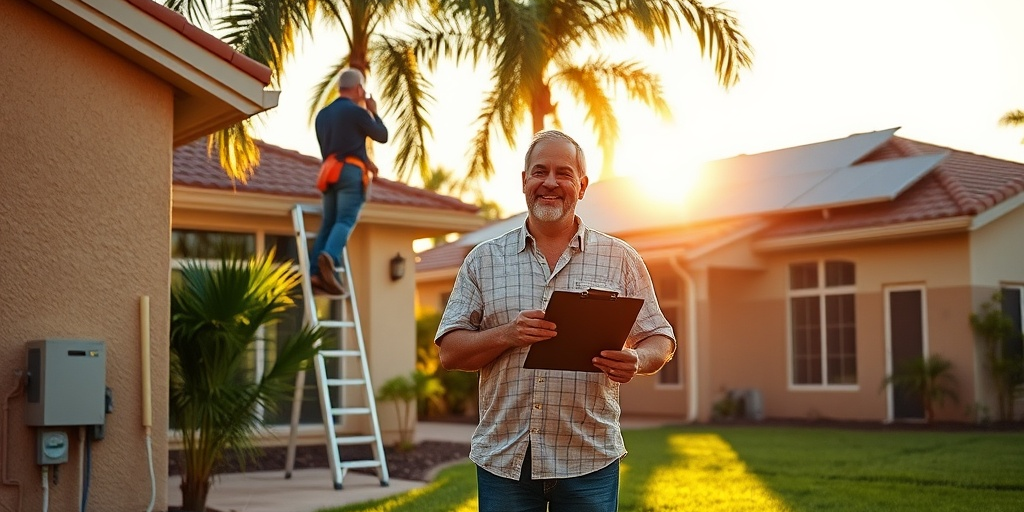
Are you among the many Floridians pondering whether going solar is a financial impossibility? You’re not alone. As a homeowner or commercial property owner, you’ve likely stumbled upon an array of myths and misconceptions about the costs associated with solar panel installation. According to the Solar Energy Industries Association (SEIA), solar power installations in Florida have increased over 57% in the last year alone, signaling an evolving landscape for renewable energy. This brings us to our crucial discussion today: Myth-Buster: Uncovering The Truth About Solar Panel Installation Costs. In fact, a study by EnergySage reveals that over 80% of the population thinks solar is still too expensive, but they couldn’t be more mistaken (EnergySage.com).
In 2025, as energy costs continue to rise and more homeowners seek independence from fluctuating utility rates, understanding the truth about installation costs is more urgent than ever. New incentives and technologies are changing the playbook for prospective solar owners. By debunking the myths surrounding solar panel installation costs, we can help you make informed decisions.
Let’s take a closer look at five eye-opening sections we’ll cover today:
1. A detailed case study demonstrating real-world experiences with installation costs.
2. A practical checklist to guide you through the solar buying process.
3. A breakdown of common myths related to solar costs with explanations and rebuttals.
4. Important local considerations for Florida residents looking to invest in solar power.
5. A comprehensive technical deep-dive into what actually influences the costs associated with solar panel installations.
Understanding the Real Costs: The Case for Solar in Florida
Meet Maria, a longtime Florida homeowner living in sunny Orlando, who decided to take the leap into solar energy. Initially intimidated by the price tags she had read about, Maria was skeptical about the real cost of solar panel installation. After much research, she discovered that the actual costs of solar installation were significantly lower than she anticipated. To combat her fears, she meticulously compared various financing options, eventually choosing a leasing program that minimized her upfront costs.
Within months, not only did Maria notice a stark reduction in her electric bills—saving approximately 30%—but she also became one of the first in her neighborhood to embrace renewable energy. Her decision aligned perfectly with recent data indicating that the average cost of solar installation has dropped by nearly 50% over the last decade, according to SolarReviews (SolarReviews.com).
So, what can we learn from Maria’s experience? Here are key steps for prospective solar buyers like her:
- Consult an Expert: Talk to local solar companies to discuss your options and understand potential savings.
- Review Local Incentives: Take advantage of federal tax credits and state rebates available in Florida, which can significantly reduce your overall costs.
- Compare Options: Look at leasing vs. purchasing and calculate what works for your financial situation.
- Track Your Savings: After installation, monitor your electric bills to see how much you’re saving and adjust your energy usage.
- Spread the Word: Encourage neighbors to check out solar, driving demand and potentially lowering your own costs down the line.
Maria’s story is emblematic of a broader trend among Florida homeowners. If you’re citing concerns about cost from outside sources, it’s time to unpack those assumptions. Myth #1: Solar panels are too expensive to install. In reality, the cost for homeowners has been slashed by technological advancements and a burgeoning market for solar energy. With recent studies showing that installation prices dropped to an average of $2.71 per watt by 2020, thanks to expanded market share and technological innovation, now is the time to consider investing in solar (RenewableEnergyWorld.com).
Steps to Take Before Making a Solar Investment
Deciding to invest in solar energy can feel overwhelming, but it doesn’t have to be. Here’s a streamlined checklist designed to help you navigate the lengthy process and turn your solar aspirations into reality.
Step 1: Audit Your Energy Consumption: Understand how much energy you use on average each month. High usage may mean a greater potential for savings from solar.
Step 2: Speak with Solar Experts: Seek out reputable local solar providers, such as those at floridaelectricandsolar.com, and obtain multiple quotes.
Step 3: Calculate Available Incentives: Research federal, state, and local incentives that can enhance your return on investment.
Step 4: Consider Financing Options: Decide whether you want to purchase your system outright, finance it through a loan, or enter into a leasing arrangement.
Step 5: Assess System Risks: Understand warranties and protections offered by solar providers to safeguard your investment long-term.
Myth-Buster: Debunking the Common Misconceptions
It’s time for us to clear the air surrounding solar panel installation costs by debunking some of the most common myths that continue to perplex homeowners.
Myth #1: Solar is too expensive. As previously stated, costs have significantly decreased, contrary to popular belief. With tax incentives and decreasing average installation costs, many Floridians see a return on investment within five to seven years (SEIA.org).
Myth #2: Solar panels damage your roof. On the contrary, a properly installed solar system can actually extend your roof’s lifespan by protecting it from the elements while increasing your home value (Energy.gov).
Myth #3: Solar panels require constant maintenance. While minimal upkeep, such as periodic cleaning, is necessary, they are designed for durability and reliability. Most systems only require professional checks every few years (SolarReviews.com).
Myth #4: You can’t go solar if you don’t own your home. Rental agreements and options for leasing make solar access possible for tenants, enabling many more Floridians to harness solar power (NREL.gov).
Myth #5: Solar energy is ineffective in cloudy Florida weather. Florida’s average sunlight hours are amongst the highest in the U.S., with exposure strongly resulting in favorable energy production, even during overcast conditions. As the data suggests, investing in solar to harness the power of the sun is both sensible and increasingly viable!
The Florida Advantage: Local Considerations for Solar Buyers
Florida is uniquely positioned to benefit from solar energy, and local factors should weigh heavily on your decision-making process. Our state boasts over 237 sunny days a year, perfect for solar installations. Moreover, it has become increasingly evident that utility rates are on the rise. In fact, Florida ranked in the top ten for the highest average electricity costs in the U.S. as of 2023 (U.S. Energy Information Administration).
Consider these local incentives:
- Federal Solar Tax Credit: Homeowners can claim a credit worth 26% of the installation cost against their federal tax bill.
- State Net Metering Policies: Florida offers net metering, allowing homeowners to sell excess energy back to the grid, significantly bolstering ROI.
- Local Rebate Programs: Various localities offer additional rebates when you install solar, making your system even more affordable.
- Third-Party Ownership: This option allows homeowners to benefit from solar without upfront costs by leasing or entering into power purchase agreements (PPAs).
At the end of the day, these incentives and favorable weather can significantly tilt the financial scales towards solar, making it a viable investment option for Florida homeowners. It’s vital to research local options that can expand your opportunities and maximize your savings.
Technical Deep-Dive: Understanding Installation Costs
Understanding the granular details of how solar installation costs are determined can empower any prospective solar buyer. Factors influencing your installation cost include:
- Type of System: The choice between grid-tied, off-grid, or hybrid influences your system’s price point and complexity.
- Component Quality: Premium components, while more expensive, offer better performance and longevity, impacting the overall cost ratio (SEIA.org).
- Installation Complexity: Roof type and system layout will shape labor and installation costs. For example, two-story roofs or roofs with complex angles will demand specialized labor, increasing costs.
- Permitting and Inspection: Fees charged for permits and inspection can vary by locality, affecting final pricing.
On average, according to EnergySage, a typical residential solar installation can range from $15,000 to $25,000 after tax credits. By understanding and considering these components, you can better prepare for negotiations with solar installers.
Next Steps for Florida Solar Buyers in 2025
Congratulations! You’ve absorbed valuable knowledge about the truth behind solar panel installation costs. Now let’s transition that knowledge into actionable steps you can take toward ownership.
Step 1: Audit Your Electric Bill: Review your past bills to gauge your average electricity consumption and costs.
Step 2: Research Local Solar Companies: Potential installations can vary based on provider capacity so assess local companies thoroughly to garner competitive quotes.
Step 3: Analyze Incentives and Rebates: Take time to understand exactly what rebates exist and calculate how they’ll influence your decision.
Step 4: Schedule Consultations: Set up consultations to discuss specifics with three to four solar companies to get customized quotes.
Step 5: Make an Informed Decision: Consider all the data to make a choice that aligns with your financial goals and lifestyle.
As a prospective solar homeowner, you now have a toolkit to dismantle the myths and take the plunge into renewable energy. Remember, maximizing your potential savings starts with education and understanding the true costs associated with solar panel installation.
Ready to start your solar journey in 2025? Connect with a certified expert at floridaelectricandsolar.com today.
Related Articles
More insights about Solar Panel

Florida Homeowners: Why Solar Panel Maintenance Is Essential

7 Essential Steps for Solar Panel Installation Success

Expert Insights: Key Factors Influencing Solar Panel Lifespan
Ready to Go Solar?
Have questions about solar energy? Our experts are here to help you make the switch to clean, renewable energy.