
Myth-Buster: Solar Panel Installation Is Not as Complicated as You Think
Share:
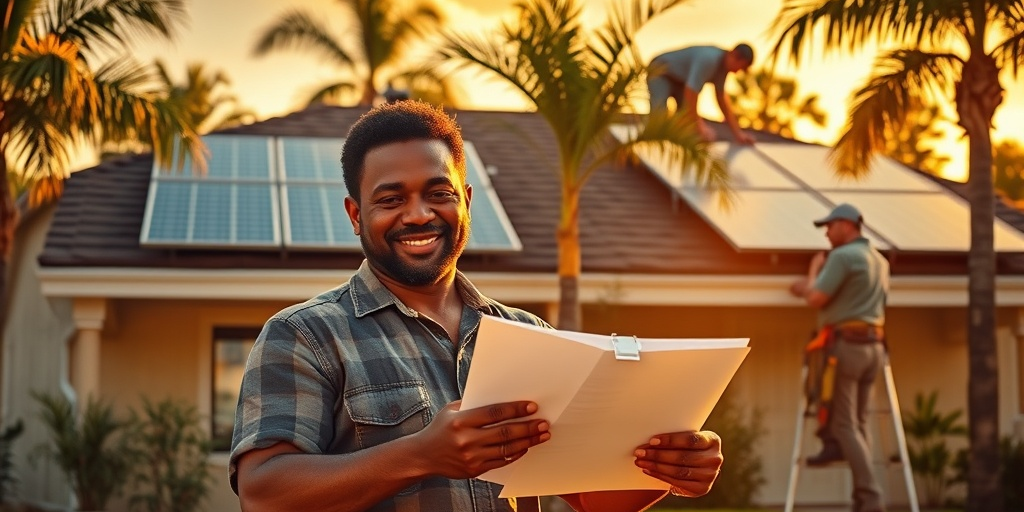
Imagine waking up one morning and opening your electricity bill to find it has climbed to record-high levels, once again. Or picture the muggy Florida summer, where air conditioning is essential to survive, but your electric meter spins faster than your ceiling fan. Wouldn’t it be empowering to know that you could take control of your energy future? Solar power has become an increasingly viable option for homeowners across the Sunshine State, yet misconceptions surrounding solar panel installation linger, deterring many from making the leap. That is why we’ve created this blog titled, Myth-Buster: Solar Panel Installation Is Not as Complicated as You Think. In 2023, a staggering 32% of Florida homeowners considered switching to solar energy (SolarReviews.com), but fewer made the switch, largely due to misunderstandings. With energy costs predicted to rise in 2025, solar investment is becoming not just an option, but a necessity. In the pages to follow, we will dive deep into five critical sections, busting myths, sharing case studies, offering checklists, and analyzing technical aspects in a way you’ve likely never encountered before.
Join us as we debunk the myths that solar panel installation is complicated, uncover actionable insights, and help you understand the solar journey for Florida homeowners and commercial property owners. You’ll soon see that the transition to solar energy is not only feasible but beneficial, positioning you to maximize savings and own your power. Let’s dive in!
Decoding the Myth: Solar Panel Installation Can Be Simple
When contemplating the switch to solar energy, many Floridians quickly dismiss it due to perceived complexity. A common refrain is, “I heard it’s too complicated to install.” On the contrary, the process can be streamlined and simpler than you think! Let’s explore this idea through the story of the Smith family from Miami. The Smiths, like many homeowners, were hesitant to consider solar power, frequently hearing stories from friends that installation was a nightmare. For them, the turning point came when an energy audit revealed they were spending upwards of $300 each month on electricity.
Deciding to investigate further, they contacted a local expert from Florida Electric & Solar to guide them through the solar panel installation. They were pleasantly surprised to discover that the process was not as tedious as they had anticipated. After a thorough assessment of their property, the installation team explained that it could be completed within just three days. The Smiths learned how much energy their existing appliances were consuming and how solar panels could significantly reduce those costs long-term. Not only did they qualify for numerous benefits, including available tax credits and utilities rebates, but they also felt relieved knowing that their investment would lead to increased energy independence and sustainability (SEIA.org). So how did they get there?
- Step 1: Conduct an energy audit to assess your current energy needs.
- Step 2: Research what local solar incentives are available.
- Step 3: Choose a reputable solar company that offers transparent quotes and consultations.
- Step 4: Schedule a site assessment to evaluate the installation area.
- Step 5: Review and sign the contract with clear terms and timelines.
Therefore, you can see that the complexity is often overstated. While there are undoubtedly elements to consider, such as systems and financing options, your roofing will play a vital role. Solar panels can be adjusted to fit various roofing styles, ensuring that you won’t need to compromise your home’s aesthetics. Let’s unpack a few myths that fuel misconceptions about installation effort.
- Myth #1: Solar panel installation takes weeks or months.
- Myth #2: The installation process damages my roof.
- Fact: Professionals apply techniques that protect your roof during installation. In fact, properly installed solar panels can extend your roof’s lifespan by providing protection from UV rays.
- Myth #3: I need to switch to a completely solar-powered home.
- Fact: You can choose a hybrid system, allowing you to maintain your grid connection and utilize solar power as a supplement.
Fact: Most installations can be completed within a few days, with the proper planning and team in place; the transition doesn’t have to drag on indefinitely.
In the Sunshine State of Florida, 45% of solar installations are residential, indicating a growing acceptance of solar energy (Energy.gov). However, the local policies surrounding solar energy can often confuse potential buyers. It’s essential to recognize that incentives exist and are designed to promote the adoption of solar energy. The commitment to long-term savings, combined with state and federal perks, creates a favorable environment for homeowners. Armed with knowledge, you can tackle any doubts about the installation process and get started with confidence.
Essential Checkpoints for Solar Panel Installation in Florida
You’ve likely established that reluctance surrounding solar panel installation often stems from misconceptions. But now let’s simplify the critical checkpoints that guarantee a seamless transition into solar energy. Here’s a clear breakdown of what you need to consider:
- Research Local Incentives: Investigate both state and federal incentives that could optimize your financial investment in solar energy. Florida residents can earn a tax credit of 26% through 2022 (SEIA.org), which significantly reduces upfront costs. Contact your chosen solar company for current offerings.
- Choose an Experienced Installer: Vet a selection of technicians to identify a reputable installer. Check for strong reviews and confirm licensing and insurance. Studying their past projects will assure quality and reliability.
- Communicate Effectively: Maintain clear communications from the initial consult to project completion. Express your needs, preferences, and the specific features your family desires in a solar system. Transparency will ensure you stay on the same page.
- Plan for Permits: Understand local regulations and the necessary permits for installation. Your installer should handle inspections and permits to avoid handling bureaucratic obstacles yourself.
- Prepare for the Installation: Make sure to clear the area around where the panels will be installed—the installers will need room. Ensuring access to your home’s electrical panel and roof can speed up the process.
In Florida, the average homeowner has substantial opportunities for solar power access, making a strong case for why you should consider solar energy installation sooner rather than later. It’s important to remember that your decision today impacts tomorrow’s energy costs and carbon footprint.
5 Common Misconceptions About Solar Panel Installation
In today’s energy market, misinformation can create barriers that prevent families from considering solar panel installation. In fact, studies show that over 30% of consumers refrain from switching due to skepticism about the technology. Here are common myths and truths surrounding solar energy to combat any hesitations you may have:
- Myth #1: Solar panels require direct sunlight to operate effectively.
- Myth #2: Solar energy is too expensive.
- Myth #3: Solar energy storage is not reliable.
- Myth #4: Solar systems are noisy.
- Myth #5: Solar panels are not aesthetically pleasing.
Truth: While solar panels perform better in direct sunlight, they can also generate electricity under cloudy or rainy conditions.
Truth: The cost of solar has plummeted over the past decade, with the average cost of solar panels decreasing dramatically. The investment in solar often pays for itself over time due to energy savings and incentives.
Truth: Energy storage technology has improved significantly. Many households complement their solar systems with battery storage solutions, enabling them to harness solar energy for nighttime use.
Truth: Solar installations operate quietly, and any noise comes from the inverter, which is typically less significant than the sound of a refrigerator.
Truth: Modern advancements in solar technology have produced sleek, low-profile panels that blend in with the roof rather than dominate it.
Solar energy is undoubtedly the future, and in 2025, it will be harder to ignore. Electric vehicles, electric homes, and grid consternation mean that solar is increasingly popular for homeowners and necessary for long-term energy independence. The U.S. Energy Information Administration projects that solar electricity generation could triple by 2025 (Energy.gov). The time to immerse yourself in solar energy knowledge is now, breaking through common blackouts to take charge as consumers. Florida homeowners have much to gain—and little to lose—by exploring credible solar options.
5 Expert Solar Installation Tips for 2025
As you contemplate your solar journey, a few expert tips can ease any transition anxiety. This evergreen advice can lead you toward a successful solar panel installation, enabling you to tap into valuable energy savings. Here’s a compilation:
- Don’t Skimp on Panel Placement: Strategic placement is crucial. Ensure panels are installed in sun-washed areas, avoiding large trees and shade that can limit solar productivity.
- Consider Your Roof’s Lifespan: If your roof requires repairs, address that before installing solar panels. Bear in mind the added weight of the panels, and ensure structure integrity (SEIA.org).
- Understand System Sizing: Your home’s energy needs should dictate the size of the solar system. Consult with your installer to choose the right capacity to avoid both oversizing and undersizing your solar array.
- Evaluate Financing Options: Some homeowners opt for cash purchases, while others take advantage of loans or leasing options. Explore all financing avenues that can maximize your return on investment.
- Monitor Your Energy Production: After installation, use system monitoring software to track energy production. This info helps identify shortfalls and maintain panel performance.
By following these practices, you’ll not only protect your investment but also maximize solar energy production—resulting in significant electric bill reductions. Solar technologies are evolving rapidly; be proactive to remain accurate. In just two years, the solar investment landscape in Florida can massively shift, so engaging with knowledgeable experts is paramount.
Your Solar Journey: A Hypothetical Homeowner’s Adventure
To further enhance your understanding, let’s narrate a fictional but realistic account of a Florida homeowner embarking on their solar journey.
Meet Karen, a hardworking mother from St. Petersburg, who regularly juggles bills for her two kids and a home. One blistering summer, her electricity expenses soared to an all-time high, pushing her to seek alternatives. The thought of going solar had often crossed her mind, but how would she navigate the process? After doing some research, she reached out to Florida Electric & Solar for assistance. Karen learned that solar panel systems not only brought utility savings but also improved property value. With particular focus on reducing expenses, Karen proceeded to schedule an energy audit.
- Step 1: After the evaluation, she received an estimated energy consumption report that placed her in a position to choose how much solar she’d need.
- Step 2: Karen was delighted to spot a federal tax credit and local rebate that could cut installation costs down significantly.
- Step 3: Her trusty consultant guided her through the entire process—attending to permits, creating visual layouts of her roof, and arranging her installation.
- Step 4: Installation day arrived swiftly, and to her amazement, her solar panels were installed without any fuss, all completed in less than four hours.
- Step 5: Post-installation, Karen now actively monitors her consumption, enjoying reduced bills, and proudly educates other friends about the process.
On her own terms, this successful switch paved the way not just for economic freedom, but also spread awareness throughout her community. As more Floridians decide to convert to solar, Karen remains excited about the future of sustainable energy. According to the National Renewable Energy Laboratory (NREL), solar energy in Florida contributes to approximately 2.4 gigawatts of installed capacity overall—ranking the state among the top in national installations.
Next Steps for Florida Solar Buyers in 2025
Congratulations! You’ve taken the first crucial steps toward understanding solar energy and debunking myths surrounding installation. But before diving into the realm of solar, here’s a detailed action plan guiding you through the processes that will lead you forward.
- Step 1: Audit Your Electric Bill: Review past electric bills to establish a baseline of your consumption and set goals for reduction.
- Step 2: Research Incentives: Check local and federal incentives, credits, and rebates that may apply to your solar project.
- Step 3: Gather Proposals: Reach out to multiple solar providers for estimates and thoroughly compare offerings.
- Step 4: Understand the Contract: Review contracts carefully—check warranty, installation, financing, and servicing terms.
- Step 5: Schedule Installations: Pick a timeframe that works for your schedule and ensure timely communication with your solar contractor.
With Florida being one of the hottest solar markets in the United States, there’s no better time than now to jump on board. By taking action, you can start your journey home toward sustainability. The choices you make today will result in real savings tomorrow and a more sustainable future for your family and the environment.
In summary, it’s become abundantly clear that the idea that solar panel installation is not as complicated as you think must blanket the state to pave the way for greater acceptance. Break down the barriers and empower yourself with solid education about solar energy. Connecting with a knowledgeable provider like Florida Electric & Solar can prepare you for the exciting journey ahead.
Ready to start your solar journey in 2025? Connect with a certified expert at floridaelectricandsolar.com today.
Related Articles
More insights about Solar Panel

Florida Homeowners: Why Solar Panel Maintenance Is Essential

7 Essential Steps for Solar Panel Installation Success

Expert Insights: Key Factors Influencing Solar Panel Lifespan
Ready to Go Solar?
Have questions about solar energy? Our experts are here to help you make the switch to clean, renewable energy.