
Myth-Buster: Dispelling Myths About Solar Panel Lifespan
Share:
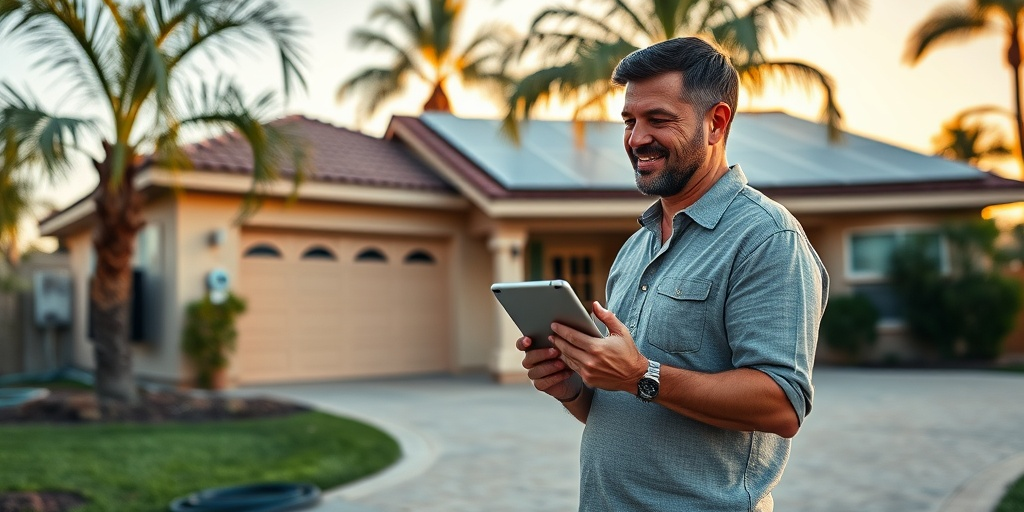
Have you ever thought about how long solar panels actually last? If you’re like many Florida homeowners and commercial property owners, you may have heard countless myths about solar panel lifespan that could lead you to misinformation. Understanding the realities of solar technology can save you money and help you harness the power of the sun more effectively. In this article titled Myth-Buster: Dispelling Myths About Solar Panel Lifespan, we will explore the facts behind solar panel longevity, revealing why the truth is more compelling than the myths. According to the Solar Energy Industries Association (SEIA), solar panels can have warranties of 25 years or more, and advances in technology mean they often last even longer. Moreover, studies show that over 90% of installed panels are still operational after 25 years (NREL.gov). This topic is urgent in 2025, especially as energy costs continue to rise and more homeowners consider solar power. In the following sections, we’ll address common misconceptions, discuss best practices, and provide you with actionable next steps to get started on your solar journey.
Understanding Solar Panel Lifespan: Myths vs. Reality
When considering whether to invest in solar energy for your Florida home, it’s essential to sift through misinformation that might be causing reservations. One of the most widespread myths is that solar panels lose efficiency quickly. To illustrate the real longevity of solar panels, let’s delve into the story of a Florida homeowner named Sarah. She and her husband invested in solar panels after realizing their electric bill was spiraling out of control due to rising energy costs.
After thorough research, Sarah learned that solar panels typically come with a performance warranty of 25 years. That means if the output drops below a specified percentage, the manufacturer guarantees a replacement or repair. This warranty reassured them because they wanted to make a long-term investment in their family’s energy future.
According to recent studies, solar panels can last well beyond their warranties, with an estimated operational life of 30 years or more when properly maintained (SEIA.org). This truth broke the mold of skepticism that many have about their durability. One major myth surrounding solar panel lifespan involves degradation rates. Many people mistakenly believe that a solar panel’s efficiency decreases rapidly over time. In reality, the rate of degradation is about 0.5% per year for most modern panels, which means that after 25 years, you can expect your panels to still produce at around 85% efficiency.
- Actionable Step 1: To ensure the longevity of your solar panels, schedule regular maintenance checks with a certified technician.
- Actionable Step 2: Keep your panels clean. Dust and debris can reduce efficiency significantly.
- Actionable Step 3: Monitor your system’s output using available technology.
With solar energy gaining traction among Florida homeowners, understanding these myths and actualities will guide you toward making a well-informed decision. As we explore further, you will observe that the longevity and efficiency of solar panels are influenced by various factors, including installation practices, local climate conditions, and technological advancements.
Common Myths About Solar Panel Lifespan
In the realm of renewable energy, several misconceptions linger. Let’s set the record straight on some of the most pervasive myths surrounding solar panel lifespan.
Myth #1: Solar Panels Only Last 10-15 Years
This myth drives a common misconception that leads many to avoid investing in solar technology. In reality, most solar panels are built to last over 25 years and have warranties that reflect that durability (NREL.gov). Additionally, with advances in technology, many homeowners find their systems remain efficient well into their fourth decade.
Myth #2: Solar Panels Lose Efficiency Rapidly
Many people believe that after a few years, solar panels lose a significant amount of their efficiency. However, according to research, the average degradation rate of solar panels is about 0.5% per year. By the time you reach the end of a 25-year period, your system can be expected to produce 85-90% of its original power output (SEIA.org).
Myth #3: All Solar Panels Are Created Equal
It’s vital to understand that not all solar panels are made the same. Depending on the manufacturer and technology used, the expected lifespan may vary. High-quality panels, typically with higher price tags, often come with superior warranties and performance guarantees.
Myth #4: Maintenance is Too Complicated
Many potential solar owners shy away due to the perceived complexity of maintenance. The truth is that maintaining your solar panels is relatively simple. Regular cleaning and periodic checks are generally all that are required to keep your system running smoothly; many Florida homeowners find that it’s less strenuous than they anticipated.
Myth #5: Insurance Doesn’t Cover Solar Panels
This myth may discourage homeowners from investing in solar energy. In reality, most standard homeowner insurance policies cover solar panels. However, it’s advisable to consult your insurance provider to confirm your specific coverage.
By debunking these myths, you can make a more informed decision about investing in solar technology for your home. Understanding the reality behind solar panel lifespan not only safeguards your financial interests but also contributes to a sustainable energy future for all of Florida.
Five Expert Tips for Solar Installation in 2025
Investing in solar energy is a significant and exciting decision. To maximize your solar savings and ensure a successful installation, here are five expert tips that can help you navigate this process effectively:
- 1. Pick a Reputable Installer – Always choose a licensed and experienced solar installer. Look for online reviews and ask for recommendations from friends or neighbors who have successfully installed solar systems.
- 2. Consider Your Roof’s Condition – Before installation, you should assess your roof and ensure it’s in good repair. If your roof is nearing the end of its lifespan, it may be wiser to replace or repair it before adding solar panels.
- 3. Don’t Skimp on Panel Placement – How solar panels are positioned can have a significant impact on their efficiency. Work closely with your installer to determine the best orientation and angle that will catch the most sunlight.
- 4. Explore Local Incentives – In 2025, there may be additional federal and state incentives for solar energy. Research tax credits or rebates that can offset your installation costs. Utilize the resources available at floridaelectricandsolar.com to learn more about available programs in Florida.
- 5. Monitor Your System Regularly – After installation, keep an eye on your system’s output. Advances in technology allow homeowners to monitor their solar energy production via mobile apps, which can help identify any potential issues early.
By following these expert tips, you can enjoy a smooth installation process and start generating your own power, minimizing reliance on traditional energy sources and reducing electricity costs over time.
The Future of Solar Energy in Florida: A Homeowner’s Journey
Imagine a young couple, Lily and Tom, who live in a cozy single-family home in central Florida. They recognized the rising electricity costs impacting their monthly budget and knew they had to take action. Upon researching, they discovered the environmental and financial benefits of solar energy and decided to invest in a solar panel system.
The couple started their journey by gathering information about local installers and the solar market, eventually comparing quotes and warranties. They learned that Florida continues to push towards renewable energy, with policies encouraging solar installations. For example, the state has a goal to produce 20% of electricity from renewable sources by 2030 (SEIA.org).
- Step 1: Assess your energy needs using past utility bills to determine what size system you’ll need.
- Step 2: Engage with different installers, ask for references, and thoroughly review the warranties they offer.
- Step 3: Evaluate available financing options, considering federal tax credits as well as any local programs that can ease upfront costs.
- Step 4: Commit to a reputable installer and invest in your solar system—knowing this is a step toward sustainability.
As their solar installation unfolded, Lily and Tom learned how solar energy not only benefited the environment but also provided them significant savings on their electricity bills. With their panels generating clean energy and extended warranties protecting their investments, they were now confident in contributing to their community’s renewable goals.
In summary, understanding the factors that affect solar panel lifespan and making informed decisions about installation can lead to long-term benefits for Florida homeowners. The electricity conservation enjoyed by Lily and Tom positions them as leaders for the sustainable movement in their neighborhood—showing that when you choose solar energy, the possibilities are unlimited.
Next Steps for Florida Solar Buyers in 2025
So you’ve learned about the myths surrounding solar panel lifespan, the elements affecting their longevity, both factual data, and helpful hints for installation. What should you do next? Here’s a step-by-step action plan to get started on your solar journey:
- Step 1: Audit Your Electric Bill – Review your monthly statements to understand your energy consumption and to determine how much you would benefit from a solar system.
- Step 2: Research Local Installers – Take time to evaluate the installation companies available to you. Check their reputations, read reviews, and ask for quotes.
- Step 3: Evaluate Your Home’s Suitability – Check if your roof gets enough sunlight throughout the day and note any potential shading from trees or buildings.
- Step 4: Understand Financing Options – Explore federal tax credits, state incentives, and financing options to identify what works best for your budget.
- Step 5: Connect with Experts – For direct guidance and clarity, engage with a certified expert at floridaelectricandsolar.com who can assist you in navigating through your options.
Embarking on your solar energy journey can feel overwhelming, but by following these steps, you can make informed decisions that will benefit your family and the environment. The shift toward renewable energy is not just a trend; it’s a necessary transition towards a more sustainable future.
In conclusion, as we have explored throughout this article, understanding the realities of solar panel lifespan is vital for Florida homeowners looking to invest in solar energy. Through debunking myths, outlining important installation practices, and providing actionable steps, you now have the insight to make educated decisions about your energy future. As you consider your options, think about the soaring energy costs, the potential for significant savings, and how important a sustainable future is for your family’s legacy.
Ready to start your solar journey in 2025? Connect with a certified expert at floridaelectricandsolar.com today.
Related Articles
More insights about Solar Panel

Florida Homeowners: Why Solar Panel Maintenance Is Essential

7 Essential Steps for Solar Panel Installation Success

Expert Insights: Key Factors Influencing Solar Panel Lifespan
Ready to Go Solar?
Have questions about solar energy? Our experts are here to help you make the switch to clean, renewable energy.