
Myth-Buster: The Truth About Solar Panel Lifespan Explained
Share:
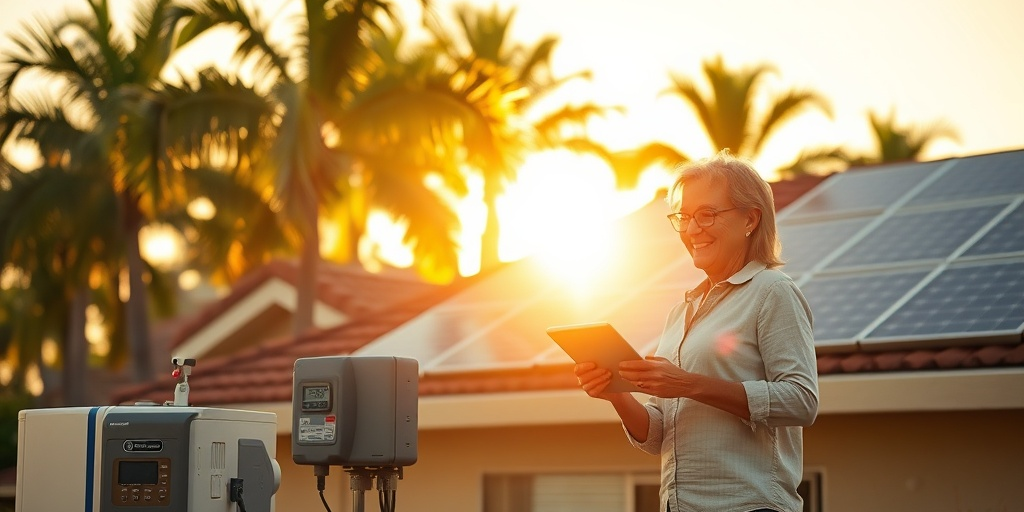
In an age where energy independence is gaining traction, the allure of solar power has never been stronger. Many Florida homeowners and property owners are now considering solar as a viable way to cut their electric bills and mitigate rising energy costs. However, as you delve deeper into this renewable energy frontier, certain myths surrounding solar panel lifespan can cloud your judgment. Did you know that the average lifespan of solar panels can stretch up to 25-30 years, with many manufacturers providing warranties that last just as long (SEIA.org)? This remarkable durability is often overshadowed by misconceptions, discouraging homeowners from making the leap into solar energy. That’s where our blog, titled Myth-Buster: The Truth About Solar Panel Lifespan Explained, comes into play.
In 2025, understanding the realities of solar panel longevity is critical as we face escalating contributions from climate change, an uncertain grid, and unpredictable energy markets. In fact, according to a comprehensive report from the Solar Energy Industries Association (SEIA.org), solar installations could grow exponentially in the coming years, significantly redefining how Floridians consider their energy strategies. Moreover, with increasing incentives and funding programs aimed at boosting solar adoption in Florida, there’s no better time to debunk these myths. In this article, we will explore the true lifespan of solar panels, common misconceptions, local implications, and everything else you need to know to make an informed decision.
Here’s a sneak peek at what you’ll discover:
- Deep Dive into Common Myths: Uncover what is true and what is not about solar panel longevity.
- A Step-by-Step Guide: Follow our actionable checklist for determining your solar needs.
- Expert Tips for Installation: Get insights from industry professionals on maximizing your solar investment.
- A Narrative of a Solar Journey: Walk through a detailed case study about a Florida homeowner’s solar experience.
- Your Action Plan: Equip yourself with essential next steps for navigating the solar landscape.
Debunking Common Misconceptions About Solar Panel Lifespan
When it comes to solar power, understanding the lifespan of solar panels is crucial for making financial and environmental decisions. The most prevalent idea circulating among skeptics is that solar panels fail prematurely, which could cause homeowners considerable monetary losses. Let’s take a closer look at the actual scenarios that play out in the real world.
Consider the case of Maria, a Florida homeowner who took the plunge into solar energy in 2021. Initially hesitant due to concerns about maintenance and durability, Maria changed her mind after conducting extensive research. She discovered that modern solar panels are built to last. Equipped with cutting-edge technology, the panels offer efficiency rates of up to 22% (SolarReviews.com) and are rated to operate effectively for 25-30 years. Over the years, Maria had noted that her energy bills dropped significantly, allowing her to save thousands, which she could now invest back into her home.
Here’s a checklist to guide you through understanding the true lifespan of solar panels:
- Research Panel Brands: Look for reliable manufacturers with crafted warranties of 20-25 years.
- Understand Component Lifespan: Familiarize yourself with the lifespan of inverters and batteries, as these can differ from panels.
- Climate Impact Awareness: Consider how Florida’s unique climate may impact your specific installation.
- Installation Quality: Ensure that you choose experienced professionals for your installation to avoid premature failures.
- Regular Maintenance: Perform minimal upkeep to ensure your system operates efficiently for its expected lifespan.
However, let’s confront some of these myths head-on. Here are a few widely believed fallacies about solar panel longevity, debunked:
- Myth #1: Solar Panels Have a Short Lifespan: Studies show that solar panels experience a very gradual decline in efficiency over 25-30 years, failing at rates of less than 0.5% per year (SolarReviews.com).
- Myth #2: All Panels Are the Same: The market is saturated with various models, but high-efficiency panels can perform better over extended periods compared to cheaper alternatives (Energy.gov).
- Myth #3: In Florida’s Weather, They Won’t Last: Solar panels are tested against extreme weather conditions and are built to endure harsh climates, including high heat and humidity.
- Myth #4: Warranty Doesn’t Matter: A solid warranty guarantees that manufacturers stand behind their products, providing peace of mind for homeowners.
- Myth #5: You Can’t Repair or Replace Parts: Inverter and battery replacements are common and don’t affect system longevity—ensuring your system can be upgradable.
With all that information at hand, it’s clear that the perceptions surrounding solar longevity don’t hold up under scrutiny. This emphasizes the critical need for open discussion around solar adoption among Florida residents and commercial property owners. The possibilities are bright for harnessing solar energy in 2025!
Understanding Solar Panel Performance in Florida
Now that we’ve dispelled some common myths, it’s essential to recognize the reality of solar panel performance in Florida specifically. The state is ideally positioned for solar energy, receiving an estimated average of 5.5 kWh of solar radiation per square meter per day, making it one of the most favorable regions for solar energy production in the United States (NREL.gov).
Here’s a quick list detailing factors affecting solar panel performance and longevity:
- Sun Exposure: Florida’s abundant sunshine boosts solar panel output. The optimal orientation for panels is south-facing, which maximizes exposure.
- Temperature: While solar panels are more efficient in cooler temperatures, today’s technology accounts for high heat, allowing consistent performance.
- Installation Quality: Ill-advised installations may lead to damage or performance decline, emphasizing the benefit of partnering with skilled professionals.
- Local Regulations: Understanding local codes, rebates, and solar incentives can assist homeowners in making informed choices.
- Maintenance Needs: Regular cleaning and inspections can thwart performance issues and extend the lifespan of your solar energy system.
As you work to understand the technical aspects of solar panels, you can transform misinformation into knowledge and solidify your decision regarding solar implementation. This is not merely about energy savings; it’s a chance for you to assert independence over your energy consumption and cultivate a sustainable future.
5 Expert Solar Installation Tips for 2025
When considering a solar energy investment, following the lead of seasoned professionals can prevent costly mistakes and ensure you achieve the best outcome. Below, we present five expert solar installation tips designed to forge a path towards successful implementation.
- Don’t Skimp on Panel Placement: Proper orientation—directly south—boosts efficiency and maximizes energy capture.
- Act Quickly on Incentives: Considering the evolution of government rebates and incentives for solar installation, acting swiftly can guarantee maximum savings.
- Choose Quality Components: Remember, cost saving today can lead to significant repair or replacement expenses later. Opt for reputable brands.
- Install Monitoring Technology: Utilizing performance monitoring tools helps track your system efficiency and can help identify issues before they escalate.
- Engage Professionals: Employ licensed, experienced solar service providers to ensure your installation meets local codes and regulations.
These actionable tips not only minimize risk but also enhance the value and durability of your solar energy system. While the initial investment may seem daunting, the long-term financial and environmental benefits often outweigh concerns.
A Real Florida Homeowner’s Solar Journey
To illustrate the impact of informed solar choices, let’s walk through the journey of Ben, another Florida resident who decided to transition to solar energy. Ben was originally skeptical. After considering options for his family’s energy bills, he found himself overwhelmed with opinions and misinformation. What eventually swung the pendulum towards solar for Ben was the realization that he could offset his usage costs and promote sustainability. Following is an overview of his journey.
Years of high electric bills led Ben to consult with a local solar advisor. There, he learned critical information:
- Solar panels depreciate gradually rather than all at once, preserving valuable investment over decades,
- Local incentives and loans significantly reduced the initial capital necessary for installation,
- His energy independence could result in extra savings, enabling him to invest in other family goals like education.
Once the installation process began, Ben’s fears quickly dissipated. A top-tier solar provider completed the setup seamlessly. Now, his newly-installed system not only boosts the value of his home but also facilitates potential returns from excess energy fed back into the grid.
Today, Ben enjoys peace of mind knowing his investment is working hard for his family. His monthly energy bill has dropped by as much as 30%, freeing up funds that can now go towards his children’s education. His story embodies what so many Floridians can achieve by embracing solar energy!
Next Steps for Florida Solar Buyers in 2025
Ready to embark on your solar journey? Here’s your straightforward action plan to navigate the complexities of adopting solar energy effectively:
Step 1: Audit Your Electric Bill
Document your monthly usage and expenses to determine your energy needs. A solid understanding of your current consumption will yield valuable insights during consultation.
Step 2: Research Local Incentives
Dive into research on available rebates and funding programs. Many new incentives have emerged and aligning your financing accordingly could save you significant upfront costs.
Step 3: Choose the Right Provider
Solicit quotes from recognized solar providers, ensuring they not only meet your budget but also uphold reputability and quality.
Step 4: Customize Your Solar System
Personalize your solar setup to meet your unique needs, as each installation can be fine-tuned to specific household or business requirements.
Step 5: Monitor Your System Post-Installation
Track your system performance regularly utilizing monitoring systems; remember to schedule routine maintenance to prolong system life.
By following this detailed roadmap, Florida homeowners can mitigate uncertainty and break free from conventional energy constraints. Want to dive deeper into solar energy? Visit floridaelectricandsolar.com for further insights.
Conclusion
The journey through our exploration of solar panel lifespan reveals clearly that ignorance can be the greatest hurdle to embracing sustainable energy solutions. Rather than succumbing to myths about reliability and operational longevity, Florida’s homeowners must arm themselves with facts and verifiable data. Adaptation of solar energy is no longer a question of ‘should we?’ it’s now an imperative ‘when will we make the leap?’ With rising energy costs and unpredictable grid reliance, the urgency to act has never been more palpable. Staying informed about the realities will not just save you money but enhance your quality of life.
The potential benefits of transitioning to solar energy cannot be overstated. With the rapid advancements in technology, numerous incentives, and compelling evidence from local case studies, the prospects are truly dazzling. Florida has the sun; all you need is the will to harness it.
Ready to start your solar journey in 2025? Connect with a certified expert at floridaelectricandsolar.com today.
Related Articles
More insights about Solar Panel

Florida Homeowners: Why Solar Panel Maintenance Is Essential

7 Essential Steps for Solar Panel Installation Success

Expert Insights: Key Factors Influencing Solar Panel Lifespan
Ready to Go Solar?
Have questions about solar energy? Our experts are here to help you make the switch to clean, renewable energy.