
Myth-Buster: Separating Fact from Fiction About Solar Panel Lifespan
Share:
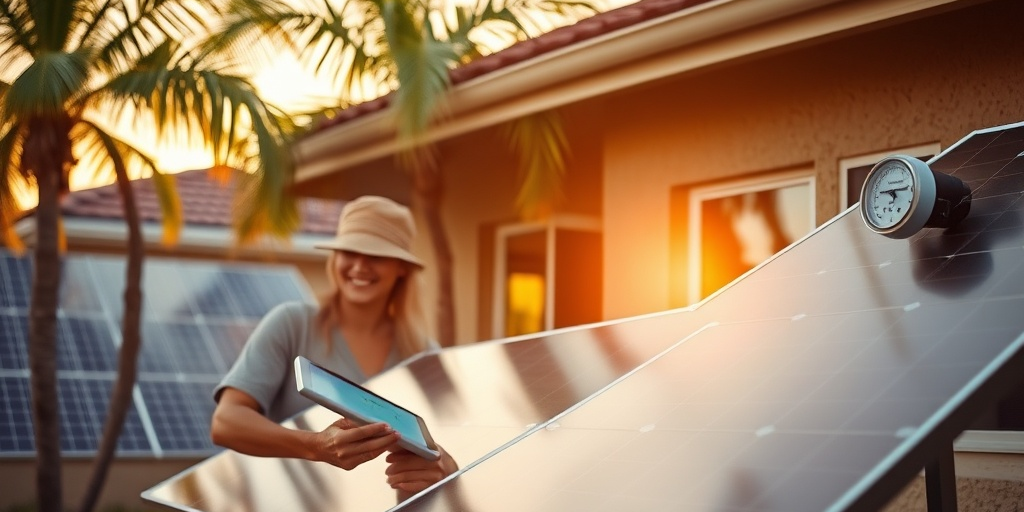
As a Florida homeowner, have you ever looked at your electric bill and felt a twinge of dissatisfaction? You’re not alone. In fact, did you know that, according to the U.S. Energy Information Administration, residential electric prices in Florida have steadily risen over the past decade, making homeowners increasingly interested in alternative energy solutions? With energy costs expected to continue climbing into 2025, the urgency for sustainable options like solar power has never been greater. But with this growing popularity of solar comes a cacophony of myths and misconceptions, particularly surrounding solar panel lifespan. This brings us to our topic for today, which is aptly titled, “Myth-Buster: Separating Fact from Fiction About Solar Panel Lifespan.” Don’t let these myths lead to costly decisions—discover the facts that will empower your solar journey ahead.
Research shows that the average lifespan of a solar panel ranges between 25 to 30 years, a fact that many homeowners may overlook (Energy.gov). However, various myths often cloud this truth, leading to confusion and hesitance in making this sustainable choice. As we approach 2025, Florida’s state policies are shifting favorably toward solar energy, encouraging homeowners to consider installations. Whether you are looking to enhance your property value or just cut those electric bills, understanding the real lifespan of solar panels is crucial to your decision-making in this evolving landscape.
This article lays out five sections to ensure you’re equipped with the knowledge you need:
- Section 1: A detailed case study that highlights a Florida homeowner’s experience with solar panels.
- Section 2: Checklists to navigate the myths and realities of solar panel longevity.
- Section 3: A myth-busting segment that debunks common misconceptions.
- Section 4: Local focus on Florida-specific data to ground your understanding.
- Section 5: A technical deep-dive into how solar systems vary and what that means for longevity.
By arming yourself with facts presented in this blog, you’ll be poised to make a confident, informed decision about going solar. Let’s dive into the first section and shed light on a real-life case study that illustrates the transformative power of solar technology.
Your Solar Journey: A Homeowner’s Case Study
Meet Tom, a retiree from Orlando, Florida, who enjoyed his golden years in the comfort of his home but faced the ever-increasing burden of rising energy costs. After years of contemplation and research, Tom finally decided to invest in solar panels in early 2023. His motivation? Like many Floridians, he wanted to reduce his electric bills, increase his home’s value, and contribute to a more sustainable future.
Tom started his journey by collaborating with a reputable solar company. His experience was not just about installation—it was about empowerment. The solar panels were projected to last between 25 to 30 years, significantly decreasing if he kept up with regular maintenance. Tom was informed that solar panels typically come with warranties extending from 25 years to as long as 30 years, something most homeowners are unaware of (SEIA.org).
But there’s more. During the installation, Tom learned about the different factors affecting the longevity of solar panels:
- Quality of the equipment: Higher quality panels, while more expensive, tend to last longer and perform better.
- Installation factors: Poor installation can compromise the lifespan of the panels.
- Environmental factors: Weather conditions in Florida—especially hurricanes and heavy sun exposure—can impact the durability of the setup.
After installation, Tom saw immediate results. His monthly electric bill dropped considerably—by nearly 60% during peak usage months! The expected lifespan of his panels gave him peace of mind knowing he wouldn’t have to worry about increasing costs any longer. By the time Tom reached his 80’s, he would have made his money back and then some, all while securing a cleaner environment for his grandchildren.
Tom’s story is not unique. It’s a beacon of what’s possible when you grasp the facts related to solar panel lifespan. This goes to show that knowledge empowers action, and action leads to meaningful outcomes. So before dismissing solar panel installation due to myths of a shorter lifespan, consider Tom’s experience—he’s a living testament to the substantial benefits of going solar.
Now, let’s engage in an essential checklist to ensure you’re not overwhelmed by the misinformation surrounding solar energy.
Myth-Busting Checklist: What You Really Need to Know
If you find yourself caught up in the swirling misconceptions about the lifespan of solar panels, you’re not alone. Many Florida homeowners hesitate to advance due to a fear of limited durability. It’s vital to clarify and dispel those doubts through an actionable checklist.
- Understand the Warranty: Most solar panels come with a warranty lasting 25 to 30 years. This means most manufacturers stand by their product for a significant duration, proving their commitment to quality.
- Regular Maintenance is Key: Like any home improvement, regular maintenance checks can help spot potential issues early and prolong the lifespan of your solar panels.
- Choose Quality Over Cost: Opting for cheaper panels may lead to higher replacement costs in the long run. Invest in premium products to optimize performance and longevity.
- Know Your Environment: Floridian weather can be harsh; consider investing in weather-resistant panels if your home is in an area prone to storms.
- Seek Local Expertise: Don’t hesitate to engage with Florida’s local solar experts. They can provide region-specific advice tailored to your needs.
Being informed is half the battle. When you are equipped with the right knowledge, you are more likely to navigate these choices with clarity. As you continue with us, you’ll find that debunking myths is possible and necessary for making the right investment.
Myth-Buster: Common Solar Panel Misconceptions
Let’s turn our attention to some of the pervasive myths surrounding solar panel lifespan. The following misconceptions often deter homeowners from investing in solar, primarily stemming from outdated information or misunderstandings:
- Myth #1: Solar panels need to be replaced every 5–10 years. In reality, solar panels last 25+ years with proper maintenance. This is a significant factor in getting the best return on investment.
- Myth #2: Solar panels don’t work in cloudy weather. While it’s true that solar effectiveness is diminished, they can still produce energy during cloudy days. Florida’s sunny disposition offers a strong advantage.
- Myth #3: Solar panels damage your roof. Quality installations done by professionals will actually enhance your roof’s integrity and lifespan as they are mounted securely to withstand weather conditions.
- Myth #4: You don’t save money on solar panels. With the available incentives and long-term savings on electric bills, most Floridians save thousands over the lifespan of their panels.
- Myth #5: All solar panels project the same longevity. Different panels have different lifespans depending on their make and materials—knowing which to choose is crucial.
Each myth has a basis in misunderstanding. Now that we’ve shattered these misconceptions, it’s clear that solar energy has evolved significantly and continues to provide a compelling solution for homeowners, particularly in Florida. With the right information, potential customers can feel more confident in their choices.
Next, let’s focus on the local landscape. Understanding how solar energy interacts with Florida’s specific conditions will help you grasp its viability even further.
Florida Focus: Local Data on Solar Lifespan and Benefits
When it comes to deciding on solar panel installation, local context is crucial. Florida boasts some of the top solar incentives and conditions in the country, thanks to its sunny climate. Here are several points that illustrate Florida’s solar landscape:
- Incentives: Florida offers a 26% federal tax credit for solar installations, which can significantly offset initial costs (DSIREUSA.org).
- Growing Market: The solar market in Florida is growing so rapidly that it has become the third-largest solar market in the nation. More homeowners are choosing solar each year, indicating a shift in perception.
- Climate Advantage: Florida enjoys 237 sunny days per year on average, enabling solar panels to operate at peak conditions most of the year, leading to optimal performance.
This regional perspective further cements the argument that sustainable energy methods, especially solar panels, are well-equipped for performance longevity in Florida. Therefore, when pondering the lifespan of solar panels, consider the robust support from local governments, financial incentives, and the advantageous Sunshine State climate.
Now, let’s dive into our technical deep-dive, where we’ll analyze how the components and installation of solar panels contribute to their longevity and overall efficiency.
Technical Deep-Dive: How Longevity Influences Efficiency
The durability of solar panels often hinges on the technology used and how it is integrated within your home’s energy system. Factors like panel type, installation, and local Environmental Energy Combine significantly affect longevity.
Here’s a breakdown of the various aspects influencing how your solar systems can optimize both lifespan and performance:
- Panel Type: There are various types of solar panels, including monocrystalline, polycrystalline, and thin-film. Monocrystalline panels offer the longest lifespan, typically lasting between 25–30 years, but these come at a higher price point. Understanding the nuances helps in making an educated choice.
- Inverter Quality: The inverter is crucial for converting the solar energy captured by the panels into usable electricity. A high-quality inverter can extend the operational lifespan of your panel setup significantly.
- Battery Storage: With energy storage systems, solar collectors can provide power during non-sunny hours, extending the overall utility of your investment, but research the longevity of batteries as well—often, they require replacement every 5–15 years.
Investing time in understanding these components allows you to maximize the return on your solar system’s lifespan and efficiency. Knowledge transforms what may initially appear as a challenging maze into a clearly marked pathway toward energy independence.
As we reach the final segment, let’s create a clear action plan for Florida solar buyers as 2025 approaches.
Next Steps for Florida Solar Buyers in 2025
Purchasing solar is a significant commitment, and having a solid action plan can help minimize stress and confusion along the way. Here’s a clear checklist designed specifically for you:
- Assess Your Property: Conduct an energy audit of your electric bill over the past year to identify potential savings and solar requirements.
- Research Solar Companies: Investigate local solar installers and read reviews on their customer service, installation process, and warranty provisions.
- Get Multiple Quotes: Reach out for several bids to compare pricing, equipment, and financing options. This will help you find what fits best for your situation.
- Understand Your Financing: Explore financing options like solar loans, leases, or power purchase agreements to see which one suits your financial goals better.
- Schedule Your Installation: Once you’ve selected a qualified installer, schedule an installation at a time that works for you, keeping in mind potential tax credits or incentives that may be expiring soon.
This actionable checklist empowers you to engage with the solar market confidently while navigating the complexities of renewable energy choices. And remember, you don’t have to do this alone. Trusted local companies like floridaelectricandsolar.com are available to guide you through each step of your solar journey.
Conclusion: The Bright Future of Your Solar Decision
As we wrap up this exploration into the myths and realities of solar panel lifespan, it’s essential to reflect on the journey we’ve taken together. From understanding the factual underpinnings of solar panel longevity to navigating the local landscape, it’s clear that knowledge empowers effective decision-making.
Tom’s experience shows us that investing in solar can effectively cut electric bills while contributing to a greener future for all. The urgency in 2025, marked by rising energy costs and new incentives, makes now the perfect moment to embrace this change.
Ultimately, embarking on the journey towards solar energy isn’t just about the panels; it’s about ownership over your energy, protection against rising costs, and a commitment to your community and environment. You hold the power, both economically and environmentally.
Ready to start your solar journey in 2025? Connect with a certified expert at floridaelectricandsolar.com today.
Related Articles
More insights about Solar Panel

Florida Homeowners: Why Solar Panel Maintenance Is Essential

7 Essential Steps for Solar Panel Installation Success

Expert Insights: Key Factors Influencing Solar Panel Lifespan
Ready to Go Solar?
Have questions about solar energy? Our experts are here to help you make the switch to clean, renewable energy.