
Myth-Buster: Solar Panel Lifespan Myths Uncovered for Homeowners
Share:
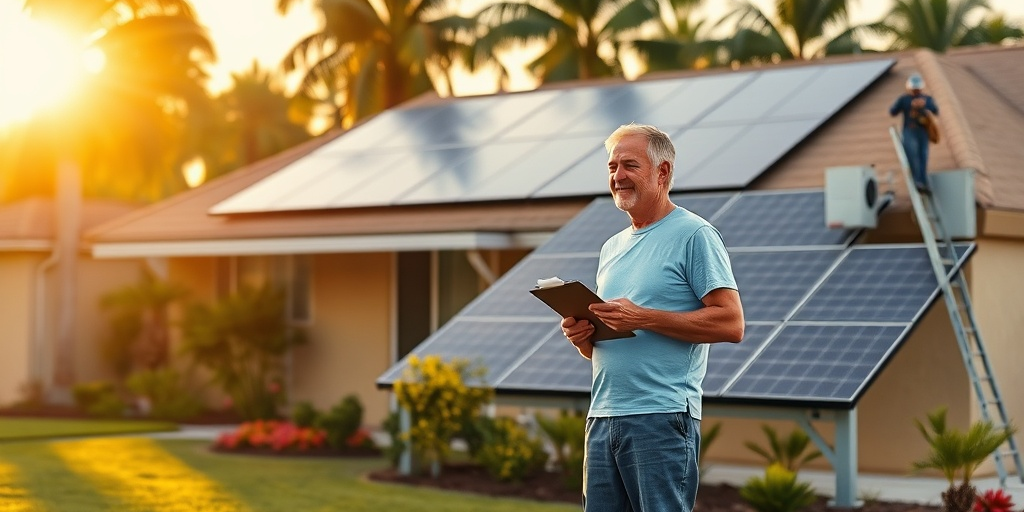
“Did you know that more than 80% of homeowners believe that solar panels only last about 20 years?” Surprising, isn’t it? The truth about solar panel lifespan can impact your decision-making significantly. In “Myth-Buster: Solar Panel Lifespan Myths Uncovered for Homeowners,” we will navigate through the myths surrounding solar panel longevity and reveal how understanding these truths can maximize your investment. In 2023, solar energy capacity in Florida reached nearly 5,500 megawatts, growing more rapidly than in any previous year, partly thanks to incentives and growing awareness (SEIA.org). However, with 2025 around the corner, rising energy costs and impending climate policy shifts exacerbate the urgency to leverage solar energy. Are you ready to uncover the realities behind these common misconceptions? In this article, we will explore five pivotal sections that will clarify the lifespan of solar panels, dispel harmful myths, guide you through best practices, and help you prepare for your solar journey.
Understanding Solar Panel Lifespan: Debunking Common Myths
Every homeowner looking into solar energy will encounter varying reports about solar panel lifespans, leading to confusion and skepticism. Too often, prevalent myths deter individuals from harnessing the benefits of solar power. Let’s visit Sarah, a Florida homeowner who was considering upgrading her energy system. Sarah had heard from friends that solar panels degrade quickly and are costly to maintain. Based on these beliefs, she was hesitant to invest in solar technology. After consulting with Florida Electric & Solar, Sarah learned the truth behind solar panel durability.
With the latest advances in technology, solar panels can now last anywhere from 25 to 30 years, if installed correctly and maintained properly. With long-term warranties typically spanning 25 years, many manufacturers substantiate that by the end of their warranty period, the panels should still produce an impressive 80% of their original capacity (SolarReviews.com). It’s vital to separate myths from facts and ensure that homeowners like Sarah have accurate data to make informed decisions.
5 Key Steps to Ensure Longevity of Your Solar Investment
When considering solar energy, understanding how to maintain your panels is as important as installing them. Follow these key steps to ensure your investment continues to deliver for decades:
- Step 1: Choose Quality Panels – Selecting panels from reputable manufacturers and doing thorough research is crucial. Invest in brands known for reliability and longevity.
- Step 2: Hire Professionals for Installation – While DIY may seem cost-effective, improper installation can result in performance issues. Hiring certified installers ensures optimal performance.
- Step 3: Regular Maintenance – Schedule assessments and cleaning to prolong efficiency. A clean panel can produce 25% more energy than a dirty one (Energy.gov).
- Step 4: Monitor Performance – Use software tools to track your energy production and pinpoint any unforeseen drops in output.
- Step 5: Be Aware of Warranty Details – Understand what your warranty covers to protect your investment adequately.
Florida Electric & Solar can provide ongoing support to help you maintain your solar panels and maximize their lifespan.
Myths vs. Facts: Demystifying Solar Panel Longevity
Several myths circulate about solar panels; let’s debunk the most common:
- Myth #1: Solar panels need to be replaced every 10 years.
Truth: Many panels last 25-30 years, with warranties supporting this longevity (SolarReviews.com). - Myth #2: All solar panels degrade at the same rate.
Truth: Quality and type of panels significantly influence degradation rates; investing in premium brands pays off in longevity. - Myth #3: High temperatures damage solar panels.
Truth: While efficiency may drop slightly in extreme heat, modern solar panels are designed to withstand high Florida temperatures, often performing better than expected (NREL.gov). - Myth #4: Solar energy doesn’t work on cloudy days.
Truth: Solar panels can generate energy even in indirect sunlight. Florida’s sunny climate means you’ll still benefit on overcast days. - Myth #5: Solar panels require a lot of maintenance.
Truth: Minimal maintenance is needed. Regular inspections and occasional cleaning upkeep performance.
By dismantling these myths, homeowners like Sarah can make confident decisions based on facts rather than fears.
Best Practices in Solar Energy Usage for Florida Homeowners
As we approach 2025, the landscape of solar energy in Florida will continue to evolve. To ensure you maximize savings and efficiency, follow these best practices:
- Consider Orientation and Placement: Solar panels should ideally face south for maximum exposure to sunlight throughout the day.
- Invest in Battery Storage: Storing energy for later use can be crucial during outages or high-demand periods. Backup systems enhance the overall value of solar investments.
- Understand Net Metering Policies: Familiarize yourself with local net metering policies to know how you can receive credits for excess energy your panels generate.
- Take Advantage of Incentives: Look for state and federal incentives available to Florida homeowners that can offset installation costs.
- Join Community Solar Programs: Consider joining local community solar initiatives to share the benefits of solar energy even if your home isn’t equipped for panels.
The more knowledge you have about these practices through resources like floridaelectricandsolar.com, the better prepared you will be for a sustainable solar journey.
A Case Study: The Solar Journey of a Florida Family
Meet the Garcia family, who live in a cozy home in Orlando. Concerned about rising electricity costs, they decided to explore solar energy. Early on, they discovered some alarming misconceptions—like believing that solar panels would require frequent replacements. After doing their research and consulting with Florida Electric & Solar, they learned that high-quality solar panels can last over 25 years while efficiently contributing to their home’s energy system.
Alongside their research, the Garcias implemented several key elements in their solar journey:
- They researched different solar panel brands, ultimately opting for panels reputed for their reliability.
- They ensured installation was performed by certified experts to avoid any issues down the road.
- Lastly, they scheduled regular maintenance checks to keep everything running smoothly.
Within just a few years, the Garcia family noticed a substantial reduction in their utility bills, validating their decision to go solar. They received nearly 90% of their energy needs from solar, a remarkable achievement in efficiency. Their story of transformation reflects the optimism and potential that solar energy holds in Florida—encouraging homeowners to pursue similar paths towards energy independence. As the industry strengthens and evolves, having accurate information can lead you down a prosperous solar road.
Next Steps for Florida Solar Buyers in 2025
Are you ready to harness the power of solar energy? Consider following these actionable steps to kickstart your solar journey:
- Step 1: Audit Your Electric Bill – Evaluating your current energy usage helps determine the best size for your solar system.
- Step 2: Research Solar Providers – Check for local solar companies with a solid reputation like Florida Electric & Solar.
- Step 3: Schedule a Consultation – Have experts assess your property to provide a personalized solar solution.
- Step 4: Review Quotes and Financing Options – Compare various proposals to understand ROI and financing that suits your budget.
- Step 5: Complete the Installation – After finalizing, work with your chosen installer to bring your solar solution to life.
By following these steps, you’ll be well on your way toward energy independence while contributing to Florida’s growing solar community. For tailored support, visit floridaelectricandsolar.com today!
In summary, understanding the lifespan of solar panels is pivotal, especially for Florida homeowners looking to save on energy bills and promote sustainability in 2025. Discerning fact from fiction when it comes to solar technology is essential for making informed decisions that lead to significant long-term benefits. The reassurance that solar panels bring, coupled with the right knowledge, gives you the power to own your energy while positively impacting the environment for years to come. Don’t let myths dictate your choices. Become equipped with truths and consult with experts to embark on your solar journey successfully.
Ready to start your solar journey in 2025? Connect with a certified expert at floridaelectricandsolar.com today.
Related Articles
More insights about Solar Panel

Florida Homeowners: Why Solar Panel Maintenance Is Essential

7 Essential Steps for Solar Panel Installation Success

Expert Insights: Key Factors Influencing Solar Panel Lifespan
Ready to Go Solar?
Have questions about solar energy? Our experts are here to help you make the switch to clean, renewable energy.