
Myth-Buster: The Truth About Solar Panel Lifespan Revealed
Share:
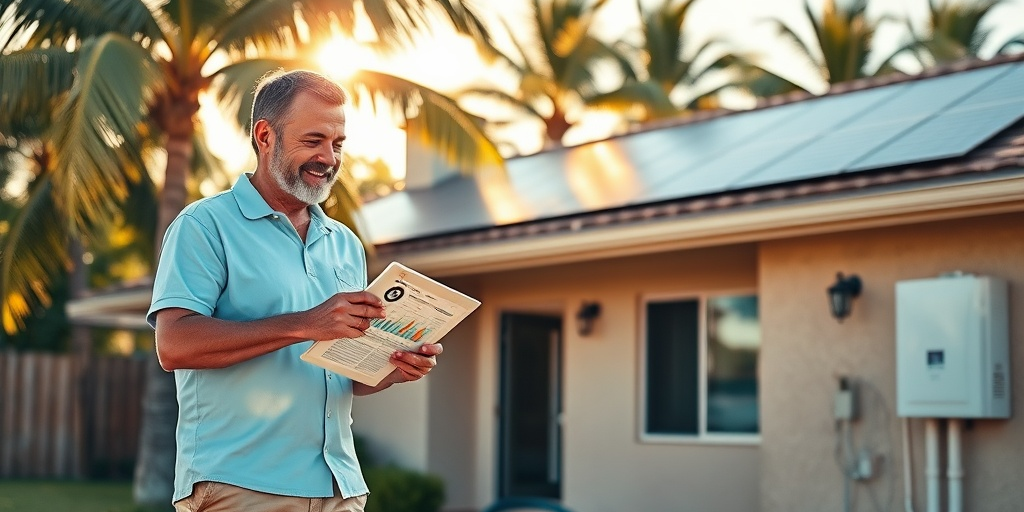
Have you ever looked up at the sun-drenched sky over Florida and wondered, “How long do solar panels really last?” You’re not alone. For many homeowners and commercial property owners in the Sunshine State, misconceptions about solar panel lifespan can cloud decision-making, leading to missed opportunities for savings and sustainability. In fact, studies show that many prospective solar adopters believe their panels will only last 10 to 15 years, when the reality is different and much more rewarding (SEIA.org). This misunderstanding not only affects individual decisions but has wider implications for Florida’s renewable energy goals as we head into 2025.
In this extensive blog post titled Myth-Buster: The Truth About Solar Panel Lifespan Revealed, we will dismantle these myths surrounding solar panel longevity. According to the National Renewable Energy Laboratory, the average lifespan of solar panels can exceed 25 years, making them a long-term, reliable investment (NREL.gov). As rising energy costs and new solar incentives heat up the market in 2025, understanding the real lifespan of solar panels and how to protect your investment is crucial.
In the following sections, we will cover five critical components that will arm you with the knowledge to make informed choices. We will explore a case study illustrating real-world impacts of solar panel lifespan, provide an actionable checklist for evaluating your solar options, dispel common myths that could undermine your trust in the technology, dive deep into the technical aspects of solar systems, and outline an actionable next steps plan for Florida solar buyers in 2025. Stay with us to unearth the facts that will encourage you to finally take the plunge into solar energy!
The Lifespan of Solar Panels: Understanding the Real Story
Imagine this: It’s 2025, and you’re sitting outside your Florida home, sipping on iced tea while the sun casts a warm glow on your newly installed solar panels. Why did you decide to go solar? Perhaps you heard from a friend that panels can be a fantastic way to cut electric bills and increase your home’s value, but you still had doubts about their longevity. According to a homeowner in Orlando, Sarah, “I always thought solar panels needed to be replaced within a decade, but learning about their actual lifespan changed everything for me.” This common misconception about solar panel lifespan isn’t just isolated. In fact, many people harbor the belief that solar panels are only a short-term solution rather than a reliable long-term investment.
- Step 1: Research the lifespan of solar panels. On average, they can last between 25 to 30 years!
- Step 2: Examine the warranties that come with your solar panels, which can often last up to 25 years.
- Step 3: Consult with local solar experts to better understand your solar potential in Florida.
- Step 4: Assess the performance of your panels over time; they typically degrade at a rate of only 0.5% to 1% per year.
- Step 5: Make a long-term financial plan that takes into account the savings over the lifespan of your solar panels.
Now, let’s dive deeper into the myths surrounding the lifespan of solar panels.
Myth-Buster: Dispelling Common Misconceptions
Throughout your journey into solar energy, you may have run into misconceptions that raise doubts. But let’s clear the air with some concrete facts.
- Myth #1: Solar panels need frequent replacement. Many believe that solar panels only last 10 to 15 years. In reality, most panels come with a warranty of 25 years and can last even longer (NREL.gov).
- Myth #2: Solar energy is only worth it in sunny states. Florida’s location makes it a prime candidate for solar energy, but the performance of solar panels can still be effective in less sunny locales.
- Myth #3: Only new technology is reliable. While newer technologies may offer improvements, many traditional solar panels have a proven track record, creating a reliable choice for homeowners.
It’s vital for Florida homeowners to recognize local factors as well; the sunshine state sees an average of 237 sunny days each year, making solar energy a fantastic option (Energy.gov). As we transition towards cleaner energy solutions, understanding these myths is pivotal in making an informed decision.
Getting Technical: A Deep Dive into Solar Technologies
As you consider making an investment in solar, it’s crucial to understand the technology and its components. Modern solar panel systems typically include solar panels, inverters, and, potentially, battery storage solutions. The design and durability of these components play a significant role in the overall lifespan and efficiency of the solar system.
- Solar Panels: Most residential solar panels are made from silicon-based materials, featuring a lifespan that often exceeds 25 years.
- Inverters: These devices convert sunlight into electricity for use in your home. While their life span can average around 10-15 years, many solar companies offer warranties for these components, ensuring they will be replaced if needed.
- Battery Storage: As more homeowners opt to use battery storage for solar energy, it’s essential to consider how this addition impacts lifespan. Batteries generally last around 5 to 15 years, depending on the technology used.
Investing in reliable materials is key to maintaining performance over the system’s lifespan. Always consult with local experts who can provide tailored recommendations for systems best suited for your property. The innovations in solar battery storage technology are another reason to be optimistic about the future of solar energy. Indeed, options like lithium-ion batteries have improved efficiency tremendously, representing a reliable choice alongside traditional solar panel systems (SolarReviews.com).
For more local insights and updates on Florida solar installations, visit floridaelectricandsolar.com.
5 Essential Installation Tips for Florida Homeowners in 2025
Installation is a critical part of the solar journey. In this section, we’ll cover some expert tips that can help you maximize the benefits of your solar system.
- Tip #1: Location is key. Make sure your panels are positioned in an area with minimal shade to maximize sunlight absorption.
- Tip #2: Invest in quality solar panels with solid warranties to ensure longevity. Solar panels with a 25-year warranty often reflect confidence in their durability.
- Tip #3: Partner with experienced local installers who fully understand Florida regulations and climate impacts. They can tailor the installation to your unique needs.
- Tip #4: Monitor your system’s performance regularly. Many modern systems come with software that tracks energy production, ensuring that your expectations align with reality.
- Tip #5: Consider future energy needs. If you plan to add electric vehicles or expand your home, consult with an expert about installing a larger system upfront.
By adopting these best practices, residents can ensure they’re making the most out of their investment while maximizing their solar energy benefits.
Your Action Plan: Steps for Florida Solar Buyers in 2025
Ready to make the switch to solar? Here are the essential next steps that will guide you through the process:
- Step 1: Audit Your Electric Bill. Understand your energy usage to determine what size system is right for you.
- Step 2: Gather Quotes from Multiple Solar Providers. Collect three to five estimates to compare costs and services effectively.
- Step 3: Investigate Local Incentives. Florida homeowners can benefit from various tax credits and rebates—be sure to take advantage!
- Step 4: Schedule a Solar Site Assessment. A professional can evaluate your property and recommend the best solution.
- Step 5: Make the Decision. After reviewing options, select a provider and finalize your installation date!
Once you’ve made the decision, consult with local experts to ensure you’re getting the best deal and the right system for your needs. For assistance, visit floridaelectricandsolar.com to connect with qualified solar professionals.
Conclusion: Your Bright Future with Solar Energy Awaits
As we wrap up this comprehensive guide on solar panel lifespan, it’s clear that choosing to go solar is one of the most impactful decisions you can make. The realities surrounding solar energy and its longevity are overwhelmingly favorable, as demonstrated through concrete data and insights shared throughout this article. By dispelling the myths surrounding how long solar panels last, homeowners and commercial property owners in Florida are better equipped to make a decision that could greatly impact their finances and benefit the environment.
Remember the urgency to act in 2025! With rising energy costs and new incentives available, there’s never been a better time to invest in solar energy. Doing so not only protects your family’s financial future but also contributes to a more sustainable world for generations to come. The sun is shining—will you harness its power?
Ready to start your solar journey in 2025? Connect with a certified expert at floridaelectricandsolar.com today.
Related Articles
More insights about Solar Panel

Florida Homeowners: Why Solar Panel Maintenance Is Essential

7 Essential Steps for Solar Panel Installation Success

Expert Insights: Key Factors Influencing Solar Panel Lifespan
Ready to Go Solar?
Have questions about solar energy? Our experts are here to help you make the switch to clean, renewable energy.