
Myth-Buster: The Truth About Solar Panel Lifespan
Share:
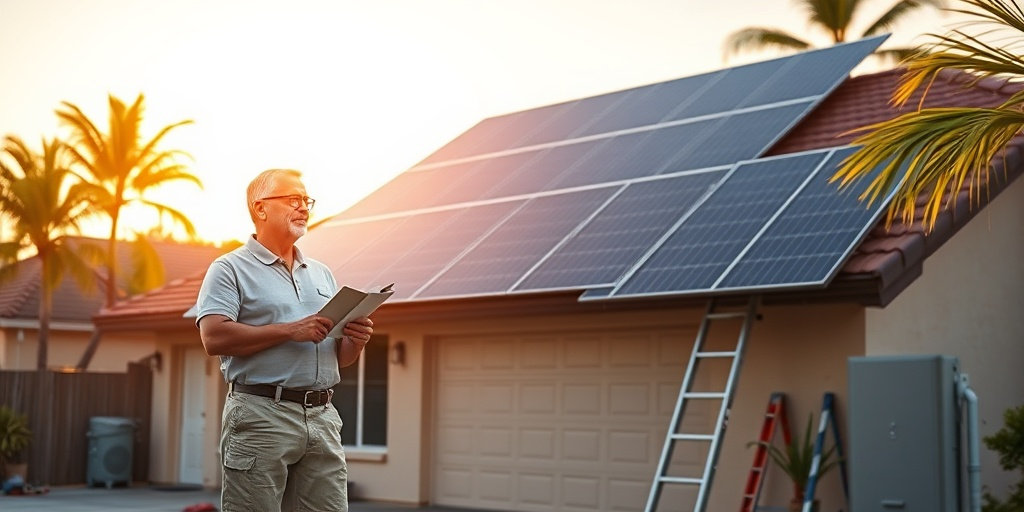
Imagine waking up to a sunny Florida morning, sunlight streaming through your windows and your electric meter spinning backwards. For many homeowners, this dream can become a reality with solar energy. Yet, skepticism looms in the minds of potential solar adopters, especially when the topic of solar panel lifespan arises. That’s why we’re diving deep into “Myth-Buster: The Truth About Solar Panel Lifespan,” aiming to clear the air and provide you with factual clarity regarding this essential investment.
Did you know that solar panels have an average lifespan of 25–30 years? Yet, misconceptions lead many to believe they will need replacing every few years, prompting hesitance toward making the switch (SolarReviews.com). In 2025, as energy prices are predicted to rise, securing your electricity bill through solar power has never been more urgent. Furthermore, new incentives and the stability of the grid may make this the optimal year to invest in solar for Florida homeowners (Energy.gov).
In this article, we’ll break down five sections to empower your solar journey: a compelling case study that illustrates real-world benefits; a detailed checklist of steps for homeowners considering solar; a myth-buster segment that will debunk prevalent misconceptions; insights into Florida-specific policies affecting your solar choices; and a technical deep dive into the components that affect solar panel longevity.
Understanding Solar Panel Lifespan: A Real-Life Case Study
Meet the Johnson family from Orlando, who decided to go solar in 2020. Like many Florida residents, they were facing increasing electric bills, which motivated their decision. The Johnsons installed a 10 kW solar panel system, investing $25,000 upfront. What they didn’t realize initially is how much of an impact their solar installation would have on their long-term financial health.
A year after installation, their electric bill dramatically dropped from $200 a month to about $30, thanks to the power they generated during the sunniest months. Their panels are projected to produce an estimated 1,200 kWh monthly, leading to substantial savings over the years. When asked about the lifespan of the solar panels, Mr. Johnson shared, “We’re not worried about it. With the warranty length and data from the manufacturer, these panels last longer than we’ll be in this house!”
It’s crucial to understand that while the average solar panel can last up to 30 years, proper installation and maintenance can play a pivotal role in extending their lifespan. Consider the checklist below to ensure you’re making an informed choice.
- Research Quality Panels: Not all solar panels are created equal. Look for reputable brands that offer warranties of 25 years or more.
- Check for Installation Expertise: Choose certified installers with strong reviews; a poorly installed panel may perform poorly or fail prematurely.
- Evaluate Adverse Conditions: Florida storms can be severe. Ensure your panels are rated for high winds and adverse weather conditions.
- Be Aware of Panel Degradation: Understand how efficiency will decrease over time and select panels with minimal degradation rates.
- Plan for Maintenance: While solar panels usually require little maintenance, periodic checks can ensure that they perform optimally.
By addressing these steps, you are empowering yourself to get the most out of your solar investment while keeping the lifespan of your panels at the forefront of your decision-making.
5 Common Myths About Solar Panel Lifespan Debunked
Myth 1: Solar Panels Must Be Replaced Every 5-10 Years. This is one of the biggest misconceptions. Most solar panels are built to last 25-30 years and come with extended warranties because manufacturers are confident in their durability (SEIA.org).
Myth 2: All Solar Panels Have the Same Lifespan. Not true! Solar panels vary in quality and construction materials. Research shows that high-quality monocrystalline panels often outlive their polycrystalline counterparts (EnergySage.com).
Myth 3: Solar Panels Lose Efficiency Too Quickly. While panels do experience slight efficiency loss over time—averaging about 0.5% per year—this is minor compared to the overall lifespan (NREL.gov). By the time a panel reaches 25 years of service, it will still produce around 80% of its original capacity.
Myth 4: The Installation Process Damages Panels. Many worry that improper installation will lead to early failure. Selecting a professional and certified installer will ensure your investment stays protected (SolarReviews.com).
Myth 5: Solar Batteries Require Frequent Replacement. While batteries can be pricey, many top-tier options can last over a decade. Advances in technology are making batteries increasingly efficient and durable (Energy.gov).
Dispelling these myths is vital for making a truly informed decision. Remember, solar energy is not just beneficial for your wallet—it’s an investment in a sustainable future.
Florida Solar Energy Regulations and How They Impact Lifespan
Did you know that Florida has some of the most favorable policies and incentives for solar energy in the United States? Understanding how these regulations affect your solar investment is crucial. Here are just a few elements you should be aware of:
- Net Metering: This allows homeowners with solar energy systems to receive credit for excess energy returned to the grid, maximizing return on investment.
- Property Tax Exemptions: In Florida, solar energy systems are exempt from property taxes, which means your system will not increase your property taxes (Florida Department of Revenue).
- Sales Tax Exemptions: Solar equipment purchases are exempt from sales tax, saving you money upfront when buying your solar energy system.
- Local Incentives: Many counties and cities in Florida offer additional incentives, rebates, and grants for installing solar systems, boosting affordability and accessibility.
These regulations not only enhance the financial viability of solar investments but also demonstrate Florida’s commitment to renewable energy and a sustainable future. Knowing this will ensure you make an informed decision, maximizing both your savings and your solar panel’s lifespan.
5 Expert Solar Installation Tips for 2025
As you consider widening your understanding of solar panel lifespan, it’s essential to keep these best practices in mind to ensure a successful installation:
- Choose Optimal Panel Placement: Don’t skimp on where you place your panels. Roofs with direct sunlight exposure maximize energy generation and durability.
- Invest in Quality Components: The best performance comes from top-shelf products. Go for panels and inverters from reputable brands.
- Keep Your System Clean: Dust and debris can impact energy production. Periodically cleaning your panels can increase their efficiency.
- Study Local Regulations: Each city and county in Florida may have different zoning requirements that affect installation.
- Utilize Monitoring Technologies: Invest in monitoring systems to track your solar panel health and performance.
Following these tips not only enhances the efficiency of your panels but can also contribute to their extended lifespan, keeping you happy with your investment.
Your Solar Journey: A Homeowner’s Tale
Let’s step back and explore a realistic example of a typical homeowner’s solar journey in Florida. Meet Sarah, who resides in Fort Lauderdale. After experiencing a sharp increase in her energy bill to over $300 during the summer of 2020, she explored solar energy options as a sustainable alternative.
With research in hand and motivated by encouragement from her neighbors, she decided to consult with professionals at Florida Electric & Solar. After a thorough analysis of her energy needs and the sun exposure in her area, Sarah settled on a 12 kW system, costing $36,000. With a 30% tax credit available, her upfront costs became more manageable.
As Sarah tracked her energy production and savings, she quickly became an advocate for solar energy. Key benefits she experienced include:
- Stable Energy Costs: Sarah no longer worries about fluctuations in her electric bills with the savings in renewable energy.
- Energy Independence: She gained more control over her energy consumption, a game-changer for her family.
- Boosting Property Value: Studies suggest homes with solar panels sell for 4.1% more on average (SolarEnergy.org), an enticing benefit for future property plans.
- Environmental Impact: Each year, she will offset nearly three tons of CO2 emissions, feeling proud of contributing to a greener Florida.
As Sarah’s story illustrates, this is how solar energy can transform your life—offering savings, stability, and sustainability.
Next Steps for Florida Solar Buyers in 2025
As you ponder your solar journey, consider the following checklist for a smooth transition:
- Step 1: Audit Your Electric Bill. Understand your current energy usage to determine the best system size for your needs.
- Step 2: Research Solar Options. Look at local installers and read reviews to find a company you can trust.
- Step 3: Schedule a Consultation. Work with a professional to evaluate how solar energy can meet your needs.
- Step 4: Explore Financing and Rebates. Make sure you’re capitalizing on any available tax incentives and rebates to maximize savings.
- Step 5: Monitor Your System. After installation, use monitoring tools to track performance and efficiency consistently.
By following these steps, you can reduce friction and make informed decisions throughout your solar investment journey.
As we’ve explored throughout this piece, understanding the lifespan of solar panels is vital for making an informed decision. You now have the tools to dismantle common myths, identify best practices, and recognize the long-term benefits of solar energy in Florida.
Ready to start your solar journey in 2025? Connect with a certified expert at floridaelectricandsolar.com today.
Related Articles
More insights about Solar Panel

Florida Homeowners: Why Solar Panel Maintenance Is Essential

7 Essential Steps for Solar Panel Installation Success

Expert Insights: Key Factors Influencing Solar Panel Lifespan
Ready to Go Solar?
Have questions about solar energy? Our experts are here to help you make the switch to clean, renewable energy.