
Myth-Buster: The Truth About Solar Panel Lifespan You Need to Know
Share:
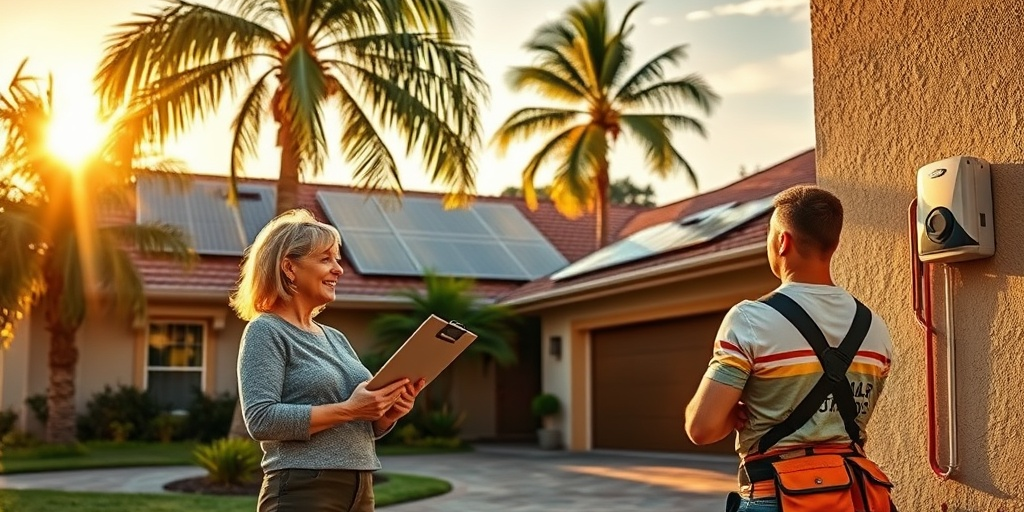
In a world where energy prices are soaring and climate change looms ever larger, many Florida homeowners find themselves turning to solar energy as a viable solution. Yet, despite the growing popularity of solar power, widespread misconceptions linger—one of the most prevalent being the life expectancy of solar panels. How long can you truly expect your solar investment to last? The answer might surprise you. Welcome to Myth-Buster: The Truth About Solar Panel Lifespan You Need to Know. According to the Solar Energy Industries Association, the average solar panel can last more than 25 years with proper care and maintenance (SEIA.org). Furthermore, it’s projected that Florida’s solar market will explode, expected to grow by over 13% annually from 2025 onward (SolarReviews.com). With rising energy costs and new solar incentives on the horizon, understanding the lifespan of your solar panels is more important than ever as we enter 2025. In this post, we will address five critical areas: the emotional journey of homeowners switching to solar, a checklist to ensure you maximize your system’s lifespan, a myth-busting exploration of common misconceptions, best practices for installation and maintenance, and an action plan for potential buyers.
Understanding Solar Panel Lifespan: A Deep Diven into the Facts
Consider the story of Sarah and John, a typical family residing in sunny Orlando, Florida. Faced with mounting electric bills, they decided to transition their home to solar power in early 2023. As they researched, they stumbled across claims that solar panels might only last 15 years. With trepidation, they hesitated—would they really spend their hard-earned savings on an investment that could depreciate so quickly?
But their doubts faded as they discovered the realities of solar panel technology and durability. Solar panels are created with longevity in mind; in fact, they are tested rigorously to boast an average lifespan of 25-30 years (NREL.gov). Realizing that warranties often cover solar panels for 25 years or more—some panels even guarantee performance, like 80% efficiency after 25 years—Sarah and John moved forward with their investment.
Sarah and John’s case is a quintessential example of how understanding the facts can create confidence. To ensure that your own solar panels reach their full lifespan, follow these actionable steps:
- Research Brands and Manufacturers: Not all solar panels are created equal. Investigate different brands and their warranties to ensure reliability.
- Locate Quality Installers: Choose certified solar panel installers familiar with the Florida regulations and components.
- Schedule Regular Maintenance: Just like any home system, solar panels benefit from periodic checks and cleaning.
- Monitor Energy Production: Leverage solar monitoring systems to ensure your panels are working optimally and efficiently.
- Stay Informed on Local Incentives: Florida is constantly evolving in terms of incentives for solar power. Stay updated to maximize savings.
As you learn the facts surrounding solar panel lifespans, it becomes evident that the argument extends beyond mere numbers—it’s entirely about investing in a sustainable, cost-saving future. Unfortunately, misconceptions can sometimes derail homeowners from making an informed decision. Let’s examine some of the most common myths regarding solar panel lifespan.
The Solar Lifespan Myth-Buster
In this section, we will debunk common beliefs that can mislead prospective solar owners and potentially cost you money.
- Myth #1: Solar Panels Only Last 10-15 Years.
This myth oversimplifies the reality of solar technology. With proper installation and maintenance, solar panels are designed to last 25-30 years or more. - Myth #2: After 20 Years, the Panels Are Worthless.
While the efficiency may decline marginally, most solar panels retain about 80% of their capacity even after 25 years (SolarReviews.com). - Myth #3: All Solar Panels Are Created Equal.
Different panels have different lifespans based on the technology used. Higher quality brands, such as those with rigorous testing, often last longer and offer better warranties. - Myth #4: Weather Negatively Affects Solar Panel Lifespan.
Solar panels are built to withstand harsh weather conditions, including heavy rain and wind. Many modern panels are tested for durability (NREL.gov). - Myth #5: You Don’t Need to Maintain Solar Panels.
Regular maintenance, including cleaning and inspections, can ensure optimal performance and longevity. Neglect can lead to diminished efficiency (SEIA.org).
With these truths in mind, Florida homeowners can navigate their solar journey with confidence. It is vital to make schedules for maintenance and to inform oneself about new technologies that can benefit your system. Next, let’s focus on the actionable best practices that ensure the maximization of your solar investment in 2025.
5 Expert Solar Installation Tips for 2025
Pursuing solar energy is not just about purchasing panels—it’s about understanding how to maintain and maximize the efficiency of your investment. Here are five expert tips to consider:
- Positioning Matters: Don’t skimp on panel placement. Your panels should be installed in a location that receives maximum sunlight throughout the day, avoiding shaded areas.
- Invest in Quality Installations: Work with certified professionals who understand the local Florida market and can ensure the panels are installed according to the best practices.
- Consider Battery Storage: Look into battery options to store excess energy produced during the day. This increases your energy independence and efficiency.
- Leverage Solar Incentives: Florida offers various state and federal incentives. For instance, the Federal Investment Tax Credit allows homeowners to deduct 26% of the total installation cost from their taxes (Energy.gov).
- Be Proactive with Inspections: Schedule regular inspections to identify potential issues early, ensuring your system runs efficiently throughout its lifespan.
Applying these best practices not only helps extend the life of your solar panels, but it also optimizes their performance and effectiveness in contributing towards reducing your electric bills.
The Homeowner’s Journey: A Narrative of Solar Transformation
Let’s take another look at Sarah and John, who are now one year into their solar journey. With their panels successfully installed, they’ve started to reap the benefits. Each month, they watch as their electric bills have drastically dropped, enabling them to use those savings for family vacations and other activities.
However, their journey isn’t just about financial success; it’s also informed by a desire to contribute to their community and the planet. They have become advocates for solar energy among their friends and family, sharing their story to help others understand the value of going solar.
Over the year, they’ve realized some critical insights:
- Educational Resources Matter: Continuous learning has allowed them to stay updated about industry advancements and neighborhood incentives.
- Community Adoption: Properties nearby that adopted solar have seen a noticeable increase in value—homes with solar installations in Florida often sell faster and at a premium (SolarReviews.com).
- Environmental Impact: Their contribution helps reduce greenhouse emissions, and Sarah proudly shares that going solar can offset the carbon footprint equivalent to planting thousands of trees over the panels’ lifespan (NREL.gov).
- Adjustment Period: Switching energy sources can take time, and understanding how to balance energy use during peak times made a significant difference for their household.
Sarah and John’s journey underscores the transformative power of solar energy, leading to both tangible savings and emotional fulfillment. With more Florida homeowners leaning toward solar solutions, the conversation is expanding, and the impact is profound.
Next Steps for Florida Solar Buyers in 2025
As you contemplate making the transition to solar energy in 2025, here’s a clear action plan to facilitate your journey:
- Audit Your Electric Bill: Review your current bills to determine your average monthly usage, which helps you estimate the required solar system size.
- Research and Compare Solar Options: Take the time to explore different solar panel manufacturers and installation options. Look for reviews and testimonials to ensure reliability.
- Calculate Financial Incentives: Investigate federal and state incentives that apply to your installation to maximize your financial benefit, like the Federal Tax Credit (Energy.gov).
- Consult a Local Expert: Schedule consultations with local solar companies, such as Florida Electric & Solar, to receive tailored recommendations.
- Plan for Maintenance: Consider how often you’ll schedule check-ups and maintenance to keep your solar system running efficiently.
Every step you take toward adopting solar energy in Florida not only benefits your household but also contributes to the greater good of the community and environment.
Conclusion
As we have explored throughout this journey with Myth-Buster: The Truth About Solar Panel Lifespan You Need to Know, understanding the realities of solar power can lead to informed decisions that benefit both your wallet and our planet. The growing solar landscape in Florida offers unparalleled opportunities for savings and sustainability. With rising energy costs, new incentives, and community support, 2025 is indeed the year to take the leap into solar energy.
Remember, whether you’re navigating myths about panel longevity or seeking expert advice, the right tools, resources, and guidance are crucial to maximizing your solar journey. Your choice to invest in solar power reflects a commitment not just to save on energy, but to secure a brighter, greener future for generations to come.
Ready to start your solar journey in 2025? Connect with a certified expert at floridaelectricandsolar.com today.
Related Articles
More insights about Solar Panel

Florida Homeowners: Why Solar Panel Maintenance Is Essential

7 Essential Steps for Solar Panel Installation Success

Expert Insights: Key Factors Influencing Solar Panel Lifespan
Ready to Go Solar?
Have questions about solar energy? Our experts are here to help you make the switch to clean, renewable energy.