
Myth-Buster: The Truth About Solar Scams That Homeowners Need to Know
Share:
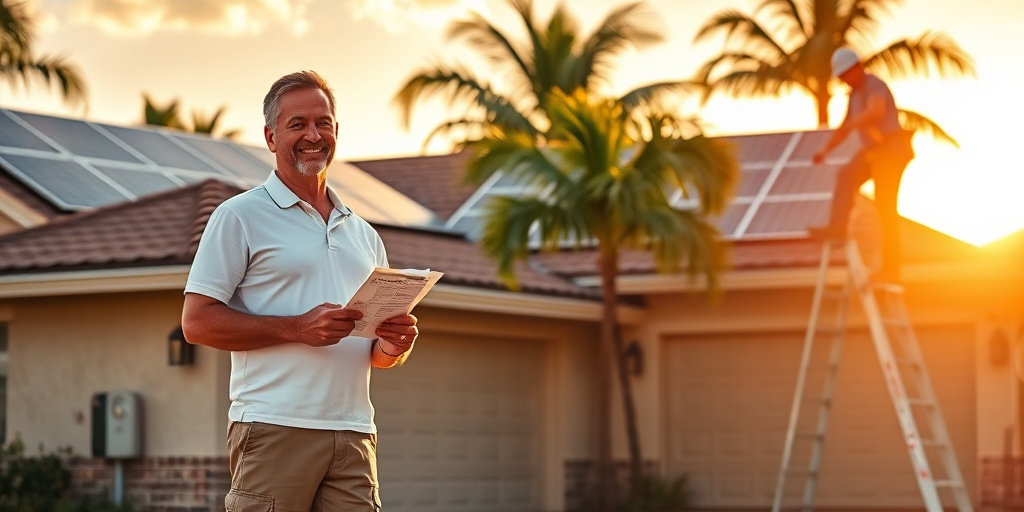
The sun blazes fiercely across Florida, delivering an abundant source of energy just waiting to be harnessed. Yet amidst this wealth of sunlight lies a shadowy reality that many homeowners fear—the threat of solar scams. In recent years, the solar market has flourished, with solar capacity in Florida increasing by over 60% between 2019 and 2022, according to the Solar Energy Industries Association (SEIA.org). However, as the number of solar companies grows, so does the potential for misinformation and deceptive practices that can undermine homeowners’ confidence in making the switch to solar. This brings us to our topic today: **Myth-Buster: The Truth About Solar Scams That Homeowners Need to Know**. It’s vital to understand what misconceptions are circulating, especially when considering the importance of renewable energy in 2025, as we face a projected 10% increase in electricity costs in Florida alone (Energy.gov).
With concepts of affordability being repeatedly challenged by misinformation, many homeowners hesitate to invest in solar technology, believing they can’t afford it or that it’s simply too risky. However, this couldn’t be farther from the truth. In this comprehensive guide, we will explore the myths, realities, and best practices of the solar industry, providing Floridians with clarity and actionable insights on how to make informed decisions about solar energy.
Join us as we break down this critical subject into five engaging sections:
1. **An In-Depth Exploration of the Myths Surrounding Solar Scams**
2. **A Step-by-Step Checklist for Evaluating Solar Companies**
3. **Five Common Myths About Solar Energy, Debunked**
4. **A Local Focus: Understanding Florida’s Unique Solar Landscape**
5. **A Comprehensive Action Plan for Prospective Solar Buyers in 2025**
Let’s banish misunderstandings and shine the light of truth on the solar industry, helping you turn your skepticism into a solid plan for savings and sustainability.
Unveiling the Myths Surrounding Solar Scams
Florida homeowners stand at a unique crossroads regarding energy production. Even as more of them seek to embrace renewable energy solutions, many remain fearful of the unknown and skeptical of the motives behind some companies in the industry. Let’s delve into some vivid case studies that illustrate the stakes involved and provide you with a clear checklist you can use when engaging with solar providers.
Case Study: The Rodriguez Family
Meet the Rodriguez family from Orlando, Florida. Eager to reduce their carbon footprint and save on their ever-increasing energy bills, they began researching solar panel installation. Unfortunately, they were overwhelmed by conflicting information about costs, performance, and, most alarmingly, the risk of scams. They reached out to several companies, only to receive ambiguous quotes and high-pressure selling tactics that left them feeling uneasy.
Fortunately, when they connected with Florida Electric & Solar, they received a transparent breakdown of various financing options, including zero-down payment plans and tax incentives that would maximize their savings. Through diligent research, they learned that homeowners can save an average of $1,500 annually on their utility bills with solar power (SolarReviews.com). The Rodriguez family is now proud owners of a solar system and advocates for renewable energy in their community, shattering previous misconceptions that stymied their decision-making process.
Checklist for Evaluating Solar Companies
- Step 1: Research the Company’s Credentials – Check for licenses, insurance, and affiliations with reputable industry organizations.
- Step 2: Ask for Customer References – Reach out to past customers to hear about their experiences and the performance of their systems.
- Step 3: Read Reviews – Websites like SolarReviews.com can provide valuable insights into customer satisfaction.
- Step 4: Compare Quotes – Obtain and compare multiple estimates to find the best deal and features.
- Step 5: Understand Financing – Investigate options like leases, power purchase agreements, and available state and federal incentives.
In addition, remember that some Florida utilities offer rebates for solar installations, making it even more feasible (DSIREUSA.org). Remaining informed and cautious can help you avoid falling victim to scams while ensuring you maximize your solar savings. Now, let’s dive into common myths that may be clouding your judgment regarding solar energy!
Common Myths About Solar Energy, Debunked
The solar industry often battles a series of misconceptions that can confuse potential buyers. It’s time to debunk these myths, clear the air, and empower you to make informed decisions regarding your energy future. Let’s tackle some prevalent beliefs head-on.
Myth #1: Solar Panels Are Too Expensive
A frequent concern is the high cost of solar panel installation, which many homeowners perceive as unattainable. However, prices have plummeted 36% since 2020, with further reductions anticipated as technology advances (Energy.gov). Many financing options allow you to install a system with minimal upfront costs, including payment plans that align with your budget.
Myth #2: Solar Energy Is Unreliable
Another misconception is that solar energy isn’t reliable, especially in a region like Florida. The truth is, Florida ranked second in the nation for solar power generation in 2022, boasting over 10,000 megawatts of installed capacity (SEIA.org). With net metering in effect, excess energy can be stored in the grid, allowing homeowners to utilize back-up power when needed.
Myth #3: Solar Panels Require Constant Maintenance
Many believe that solar panels require constant upkeep, leading to more expenses. While routine inspections are recommended, the reality is that modern solar systems are designed to be low maintenance, often needing only occasional cleaning and periodic checks, ensuring long-term savings.
Myth #4: You’ll Lose Money by Switching to Solar
The fear of losing financial stability when switching to solar often prevents Florida homeowners from making the change. In fact, homeowners can see their property values increase by up to 4.1% after going solar (Energy.gov). Additionally, federal tax incentives, like the solar investment tax credit, can help offset installation costs.
Myth #5: Solar Is Only for Rich Individuals
Many individuals contend that solar energy is an option solely for affluent homeowners. Yet studies show that a growing middle-class demographic is investing in solar solutions due to declining costs and attractive financing options. Accessible financing tools help all income brackets take part in the solar revolution.
These debunked myths reveal the empowering truth about solar energy, shedding light on your path forward. If you’re still feeling uncertain, exploring Florida’s unique energy landscape will provide further clarity.
Understanding Florida’s Unique Solar Landscape
Florida is no stranger to the solar revolution, yet its performance rarely gets the recognition it deserves. As a state blessed with abundant sunshine and progressive energy policies, Florida has rapidly gained traction in solar advancements that homeowners must grasp in order to make a wise investment.
Guiding Factors in Florida’s Solar Landscape:
- Strong Incentives: Florida offers several incentive programs, including the Property Tax Exemption that allows homeowners to enjoy tax-free savings on their solar systems (DSIREUSA.org). Additionally, numerous utility companies have implemented rebate programs to promote renewable energy—additional savings that should not be ignored.
- Net Metering Benefits: Net metering policies ensure homeowners can sell back excess energy generated during peak sun hours, further incentivizing solar adoption and enabling a reliable source of income (SolarReviews.com).
- Community Support: Florida boasts active solar cooperatives and support networks that can help homeowners navigate the complexities of solar installation and financing, creating a collaborative environment for embracing solar energy.
Understanding these variables lays the groundwork for a promising investment in solar energy. With potential savings and the environmental impact at the forefront, it’s time to consider the technical aspects that influence billing and solar systems.
Analyzing Policy, Billing, and System Technology
When diving deeper into the world of solar, one must understand how technology, policy, and billing interconnect. Properly evaluating these elements can allow homeowners to tailor their solar solutions effectively.
Technical Deep-Dive on Solar Technologies:
- Solar Panels: The efficiency of solar panels is crucial. Monocrystalline panels often provide the highest efficiency rates, delivering maximum energy conversion from sunlight. Understanding the different panel types can help homeowners choose technology that suits their energy needs.
- Inverters: This critical component converts the direct current (DC) produced by solar panels into alternating current (AC) that powers your home—or feeds back into the grid. Highly-efficient inverters can significantly impact your system’s performance.
- Battery Storage: In light of Florida’s weather variability, battery storage systems can ensure homeowners have electricity even during outages. The investment in battery technology is becoming increasingly reliable and accessible.
It’s crucial for homeowners to consult resources such as floridaelectricandsolar.com to help decipher the most suitable options available in the ever-evolving solar market. Make informed decisions based on current policies, guaranteed savings, and technology advancements, paving the way for a successful solar transition. Let’s wrap up with actionable steps for Florida solar buyers in 2025!
Next Steps for Florida Solar Buyers in 2025
The journey towards solar energy begins with understanding and action. With numerous options available, let’s create a simple plan to guide you through the process of transitioning to solar power confidently:
- Step 1: Conduct an Electric Bill Audit – Review your electricity usage over the past year to estimate how much solar power you will need to offset costs.
- Step 2: Research Local Incentives – Investigate available federal, state, and utility incentives that apply to your location, potentially reducing installation costs significantly.
- Step 3: Obtain Multiple Quotes – Examine proposals from various solar providers, ensuring they outline expected costs, installation timelines, and financing options.
- Step 4: Schedule an Energy Assessment – Work with chosen solar installers to evaluate your property and ensure your system is sized appropriately for your energy needs.
- Step 5: Plan for Installation – After selecting the right company, finalize your financing, and prepare for installation to begin the process of owning your energy.
Equipped with a solid plan, you can make informed decisions while confidently navigating the world of solar energy. To discover additional resources and support for your solar journey, visit floridaelectricandsolar.com for expert guidance and consultation tailored to your needs.
As we conclude our insightful exploration into solar energy for Florida homeowners, let’s recap the vital takeaways of your solar journey. We dispelled common myths surrounding solar scams, illustrated the potential benefits, and provided a clear action plan tailored for 2025. The decision to transition to a solar-powered lifestyle is not just about cutting costs; it’s a step toward sustainable living, contributing positively to future generations. With rising electricity costs and the demand for renewable energy solutions, there’s no better moment to embrace solar technology. Don’t let fear hold you back! Join the movement towards a sustainable future for your family, home, and Florida’s environment.
Ready to start your solar journey in 2025? Connect with a certified expert at floridaelectricandsolar.com today.
Related Articles
More insights about Solar Scams

Warning: Don’t Overlook These Solar Scams to Avoid

Don’t Miss This Critical Alert About Solar Scams

Don’t Ignore These Critical Solar Scams to Avoid
Ready to Go Solar?
Have questions about solar energy? Our experts are here to help you make the switch to clean, renewable energy.