
Myth-Buster: The Truth About Solar Panel Installation Costs
Share:
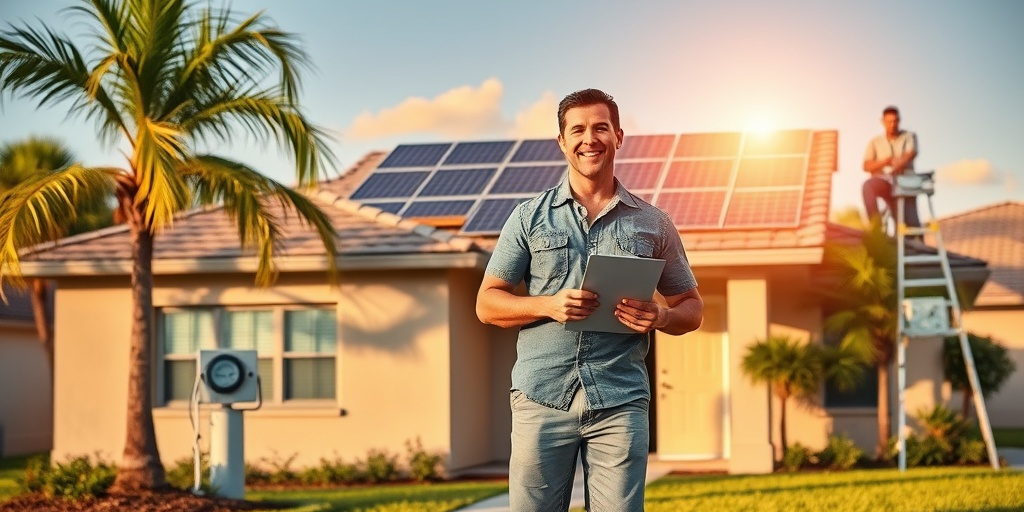
Did you know that as of 2023, solar panel installations have increased by over 40% in Florida alone? This staggering statistic comes at a time when the state is grappling with rising energy costs and a renewed push for sustainable energy solutions. In 2025, transitioning to solar energy isn’t just a choice; it’s becoming a necessity for many Florida homeowners and businesses. Yet, despite these incredible advancements, the most pervasive issue still remains: misunderstanding the solar panel installation costs. In our article titled Myth-Buster: The Truth About Solar Panel Installation Costs, we are peeling back the layers of misinformation that cause hesitation among potential solar energy customers. For instance, many still believe that the upfront costs of solar are insurmountable, despite data indicating that many Floridians save up to 70% on their energy bills after transitioning to solar (SolarReviews.com). Furthermore, the variety of incentives available makes 2025 the perfect year to consider solar energy for your home or business. In this comprehensive guide, we will explore five major sections to help you better understand the financial implications of solar panel installation: an in-depth analysis of common myths, a checklist for first-time buyers, best practices for installation, a narrative of a Florida homeowner’s journey with solar energy, and actionable steps to get started today. So, let’s embark on this solar journey, debunk common misconceptions, and pave the way for a brighter, greener future.
Unpacking the Real Costs of Solar Panel Installation
When exploring the cost of solar panel installation, it’s crucial to separate fact from fiction. Many potential buyers are discouraged by mythical beliefs surrounding solar costs, which can lead to missed opportunities to save money and invest in sustainable energy. Take, for instance, the remarkable journey of the Johnson family from Miami, Florida. Initially skeptical about the costs of solar energy, they realized that solar panels could substantially lower their monthly power bills.
The Johnsons began their solar journey by requiring a thorough understanding of potential expenses. In their research, they found a checklist that included essential factors to consider, such as system size, panel quality, installation services, and local incentives. This discovery opened their eyes to how switching to solar could work within their budget.
- Step 1: Assess your energy needs by reviewing past utility bills.
- Step 2: Research different solar panel options and their efficiencies.
- Step 3: Look into your local incentives that may reduce installation costs.
- Step 4: Get multiple quotes from local solar installers for comparison.
- Step 5: Calculate potential savings over 20–25 years, keeping in mind all costs involved.
Now, let’s shift gears and explore some common myths that plague potential solar buyers.
Myth-Buster: Debunking Solar Installation Misconceptions
The misconceptions around solar installations can feel overwhelming, especially in a state like Florida, which is inundated with solar energy options. Below are five prominent myths followed by the truth that every homeowner should know:
- Myth #1: Solar panels are too expensive for the average homeowner.
- While initial costs can seem high, incentives from the federal government can cover a significant fraction, making solar more affordable than ever before (SEIA.org).
- Myth #2: Solar panels don’t work well in cloudy weather.
- Florida’s sunny climate allows solar panels to function efficiently, even during overcast days, reducing electric bills by as much as 75% (Energy.gov).
- Myth #3: Solar panels require a large amount of maintenance.
- In reality, solar panels are designed to be low-maintenance, requiring only a periodic cleaning and check-up to ensure optimal performance.
- Myth #4: You cannot sell your home if you have solar panels.
- Not only can you sell your home with solar panels, but having them installed can significantly increase your property value.
- Myth #5: Solar installation will take months to complete.
- In most cases, a qualified installer can complete installation within 1-3 days, depending on the system type.
These myths can create unnecessary fears and resistance to solar investments. As we move through 2025, understanding the true cost and benefits becomes more critical than ever for Florida homeowners seeking energy independence. But let’s not stop here! Next, we dive deep into concrete financial aspects and best practices for effective solar installation.
5 Recommended Practices for Solar Installation Success
Successfully transitioning to solar energy requires more than just purchasing equipment; it demands careful consideration and strategic planning. Here are five essential tips for a seamless solar panel installation that can lead to significant savings:
- Choose the Right Installer: Don’t skimp on research. Look for reputable, local solar installation companies with verifiable customer testimonials. An experienced installer will provide a more durable system and enhance efficiency.
- Don’t Skimp on Panel Placement: Proper orientation and angle significantly affect efficiency. Maximum sun exposure should be the prime objective.
- Consider Additional Equipment: Investing in a solar battery may allow you to store energy for nighttime use, maximizing your savings.
- Understand Your Contract: Take your time reviewing contracts, warranties, and service agreements before signing anything. Transparency and understanding key terms are crucial.
- Plan for Future Needs: Consider your family’s future energy requirements. Will you be adding electric vehicles or expanding your home? Plan your solar setup accordingly.
Expert insights from the field highlight how these practices can lead to longer-lasting and more efficient solar solutions for Florida homeowners. For personalized guidance, remember to check out floridaelectricandsolar.com for consultations and expert installations in 2025! Up next, we’ll tell the story of an inspiring Florida homeowner who embraced solar energy.
The Solar Journey of a Florida Homeowner
Meet Linda, a single mother living in Orlando, Florida. After repeated spikes in her electricity bills, she began to consider alternative energy sources. In 2023, following a friend’s recommendation, she decided to explore solar options. Her journey led her through vital learning experiences that changed the trajectory of her financial future.
- Step 1: Gathering information: Linda researched various aspects of solar energy, including benefits, costs, and local providers.
- Step 2: Cost analysis: She carefully reviewed her past utility bills and consulted with local solar companies, noticing how many incentives were available just for Florida residents.
- Step 3: Installation: After settling on a trusted local installer, her solar panel system was installed within three days, much quicker than she anticipated.
- Step 4: Immediate benefits: Within a month of installation, Linda noticed her electricity bills dropped significantly, leading to a steady savings pattern she hadn’t anticipated before.
Linda’s story illustrates that going solar is not just about the financial aspect; it’s also about empowerment. The decision to invest in solar panels provided her with the means to control her energy destiny and save money for her children’s education. With this personal journey, many Floridians can take a cue and consider how solar power could change their lives too. Our next discussion will provide an actionable plan for those ready to make the switch.
Next Steps for Florida Solar Buyers in 2025
The best time to start your solar journey is now. If you’re ready to embrace solar power in 2025, follow these practical steps to ease the transition:
- Step 1: Audit Your Electric Bill:
- Step 2: Evaluate Your Property:
- Step 3: Research Incentives:
- Step 4: Choose a Trusted Installer:
- Step 5: Monitor and Maintain:
Begin by assessing your monthly electric bills for the past year to determine your average energy consumption. Knowing this number is essential for designing your solar system.
Consider whether your property is suitable for solar installation. Factors include roof angle, shading from trees, and available space for solar panels.
Take full advantage of local, state, and federal solar incentives. These can dramatically reduce your initial investment.
Look for a reputable and experienced solar provider. Check reviews and ask for references to ensure your investment is secure.
Once installed, monitor your system’s performance and maintain regular check-ups to ensure optimal functionality.
Florida homeowners now stand at a bright crossroads of energy potential amid increasing electricity costs. The importance of embracing solar energy has never been clearer. For more resources and guidance, visit floridaelectricandsolar.com.
In conclusion, understanding the true costs associated with solar panel installation and debunking common myths can empower homeowners to make informed decisions. By following the steps outlined in this guide and learning from the journeys of others, you too can take control of your energy future. Investing in solar power is not merely financial; it brings peace of mind, environmental sustainability, and a commitment to a brighter future for your family. Therefore, as you stand on the brink of opportunity, one choice remains: will you join the thousands of Florida homeowners making the switch to solar in 2025?
Ready to start your solar journey in 2025? Connect with a certified expert at floridaelectricandsolar.com today.
Related Articles
More insights about Solar Panel

Florida Homeowners: Why Solar Panel Maintenance Is Essential

7 Essential Steps for Solar Panel Installation Success

Expert Insights: Key Factors Influencing Solar Panel Lifespan
Ready to Go Solar?
Have questions about solar energy? Our experts are here to help you make the switch to clean, renewable energy.