
Myth-Buster: The Truth About Solar Panel Lifespan You Need to Know
Share:
“`html
Did you know that the average solar panel has a lifespan of about 25-30 years? This statistic might come as a shock, especially if you’ve heard the common myth that solar panels often fail within just 10 to 15 years. Welcome to “Myth-Buster: The Truth About Solar Panel Lifespan You Need to Know,” where we unravel the misconceptions surrounding solar energy and its long-term viability. In reality, modern solar technology is more resilient and efficient than ever before. According to a report from the National Renewable Energy Laboratory, panel efficiency ratings have steadily increased, with some high-performing models exceeding 22% efficiency in energy conversion (NREL.gov). As we move into 2025, with rising energy costs and new incentives for solar adoption in Florida, understanding the truth about solar panel longevity is paramount to protecting your investment. In this post, we will explore five key sections: the emotional journey of a Floridian homeowner transitioning to solar, a detailed checklist for solar buyers, common myths debunked, a focus on Florida’s solar landscape, and a technical deep-dive into solar technology and billing. Let’s illuminate the path towards a better understanding of solar panel lifespan!
Understanding Solar Panel Lifespan: A Deep Dive
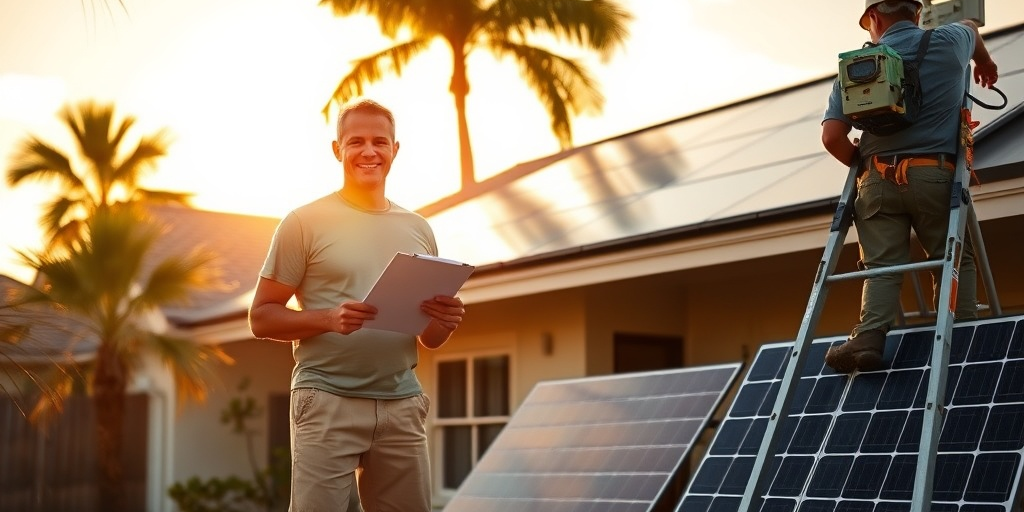
Imagine standing on your sun-drenched porch in Miami, looking over the sparkling tiles of your newly installed solar system, while contemplating the investment you just made in your family’s future. Meet Sarah, a Florida homeowner who recently decided to transition from traditional electricity sources to solar power. One of her major concerns was the lifespan of the solar panels. Like many, she had heard the myth that solar panels degrade quickly and have a relatively short operational life. However, within just a few weeks of research and professional consultations, Sarah learned the truth and made an informed decision.
As part of her research, she explored various brands and specifications of solar panels. To her surprise, Sarah discovered that credible manufacturers offer warranties ranging between 20 and 25 years, along with additional performance guarantees. These guarantees indicate that solar panel performance will degrade gradually over time, generally at a rate of just 0.5% to 1% per year (SEIA.org). By the end of the warranty period, the panels could still operate at around 80% of their initial efficiency, well into their third decade of life. This aspect not only safeguarded her investment but also offered peace of mind to her family.
- Research Solar Brands: Compare different companies and their panel warranties to find the best options available in Florida.
- Understand Technology: Familiarize yourself with different types of solar technologies—monocrystalline, polycrystalline, and thin-film—and their respective lifespan potentials.
- Consult an Expert: Engage solar energy professionals who can offer insights and clarify misconceptions.
- Assess Installation Quality: The lifespan of solar panels is also contingent on proper installation by certified professionals.
- Monitor Your Energy Production: Keep an eye on your system’s performance and address any issues swiftly to maintain longevity.
With a wealth of resources available, it’s simpler than ever to separate fact from fiction. In Florida, solar installations are becoming increasingly popular, and homeowners like Sarah are discovering the longevity of their systems firsthand. It’s important to debunk the myths about solar panel efficacy, especially when considering the long-term financial benefits and environmental impact they offer. For instance, many people believe that solar panels only work well in sunny climates. While it’s true that sunny weather optimizes their function, it’s important to note that even on cloudy days, solar panels can generate a substantial amount of energy, continuously reducing your utility bills and carbon footprint (Energy.gov).
Common Myths About Solar: Busted
Myth #1: Solar Panels Don’t Last Long
While many may believe that solar panels have a short lifespan of around 10-15 years, the reality is often much different. As indicated earlier, quality solar panels can last up to 30 years or more with minimal degradation in efficiency.
Myth #2: Solar Panels Are Unaffordable
In the past, upfront costs deterred homeowners from going solar. However, with federal incentives and financing options, solar power has become more affordable than ever. In fact, the average solar system payback period is between 5-8 years, depending on local energy costs (SolarReviews.com).
Myth #3: Solar Panels Require Frequent Maintenance
Many potential buyers shy away from solar due to the assumption that they are high-maintenance systems. In truth, solar panels require minimal upkeep. Regular cleaning and occasional inspections for optimal performance are typically sufficient.
Myth #4: Solar Panels Are Ineffective in Bad Weather
While solar panels are most efficient in sunny conditions, they can still generate power during cloudy and rainy days. The technology continues to advance, allowing for energy production even with lower light availability, thus debunking the myth that inclement weather negates their effectiveness.
Myth #5: All Solar Panels Are Made the Same
Differing brands and models have varying efficiency levels and warranties. Recognizing these differences before purchase is crucial to ensuring you get the best product for the longest possible lifespan.
5 Expert Solar Installation Tips for 2025
Embarking on your solar journey requires careful planning and execution. Here’s a collection of expert tips to ensure you set up your system for success in 2025:
- Choose Quality Over Cost: While it may be tempting to opt for cheaper panels, investing in quality can lead to better performance and longer lifespan. Look for solar panels with Extended Performance Certifications.
- Optimize Panel Placement: Proper positioning is crucial for maximizing energy production. Ensure your panels receive ample sunlight by considering any potential obstructions.
- Utilize Advanced Technology: Explore the latest trends in solar technology, such as energy storage solutions, to fully capitalize on solar energy and reduce dependency on the grid.
- Monitor Your System: Keep an active watch over your solar performance and invest in monitoring solutions that notify you of any system malfunctions.
- Stay Updated on Incentives: Familiarize yourself with state and federal incentives to maximize your investment and benefits. Programs and rebates are continuously evolving, and staying updated will ensure you take advantage of all offerings.
You can find more resources about the ever-evolving solar landscape at floridaelectricandsolar.com.
The Life of a Solar Homeowner: A Narrative Journey
Follow the journey of James, another Florida homeowner, who decided to go solar after recognizing the potential for reducing his electric bills. Initially hesitant, James did not understand the implications of solar panel lifespans and hesitated to install them. After a consultation with a local solar expert, he learned about the durability and longevity of modern solar systems.
Here are the four key lessons James absorbed during his decision-making process:
- Understand Lifespan vs. Warranty: Warranty coverage clarified for him that the panels wouldn’t just fail after a few years, substantially dispelling his fears.
- Calculate Long-Term Savings: James found out that over a 25-year period, he could significantly save on energy costs—money he could reinvest in other areas of his life.
- Consider the Environmental Impact: Learning about how solar energy reduces carbon footprints motivated James to become more environmentally conscious.
- Seek Community Insights: He connected with other solar users to understand their experiences, leading him to discover the viability of technology.
Heble’s immediate happiness came from his first electric bill post-installation: a substantial reduction he never expected. His fears faded as he realized that views on solar power need updating. This powerful journey can serve as a subtle reminder that education is key in overcoming the initial hesitations about solar implementation. As the U.S. sees solar capacity reach over 97 gigawatts in 2023, it’s clear that solar energy showcases undeniable potential for the future (SolarReviews.com).
Next Steps for Florida Solar Buyers in 2025
As you consider transitioning to solar energy, follow these actionable steps to simplify the process:
- Audit Your Electric Bill: Start by analyzing your monthly energy costs to understand how much you can save through solar energy.
- Research Financing Options: Look into available financing options, such as solar loans or leases, to ensure a manageable financial commitment.
- Consult a Local Expert: Engage a certified solar consultant to answer any lingering questions and inspect your property for installation suitability.
- Compare Vendor Quotes: Acquire proposals from multiple solar companies to make an informed choice about pricing and product offerings.
- Schedule Installation: After comprehensive research, schedule a professional installation to ensure optimal setup and compliance with local regulations.
These steps can help you navigate the journey to solar ownership smoothly. Make sure to explore more at floridaelectricandsolar.com for assistance throughout your solar journey.
In Conclusion
Exploring the lifespan of solar panels is crucial for Florida homeowners contemplating their energy options in 2025. By understanding the truths and debunking common myths, like those discussed in “Myth-Buster: The Truth About Solar Panel Lifespan You Need to Know,” you can make informed decisions regarding your energy future.
Through the enlightening journeys of homeowners like Sarah and James, we’ve seen the tangible benefits of investing in solar. Seeking accurate information leads to lasting energy independence, financial savings, and a cleaner environment for generations to come. In today’s energy landscape, investing in solar is not just a financial decision—it’s a critical step towards a sustainable future.
Ready to start your solar journey in 2025? Connect with a certified expert at floridaelectricandsolar.com today.
“`
Related Articles
More insights about Solar Panel

Florida Homeowners: Why Solar Panel Maintenance Is Essential

7 Essential Steps for Solar Panel Installation Success

Expert Insights: Key Factors Influencing Solar Panel Lifespan
Ready to Go Solar?
Have questions about solar energy? Our experts are here to help you make the switch to clean, renewable energy.