
Myth-Buster: The Truth About Solar Panel Lifespan You Didn’t Know
Share:
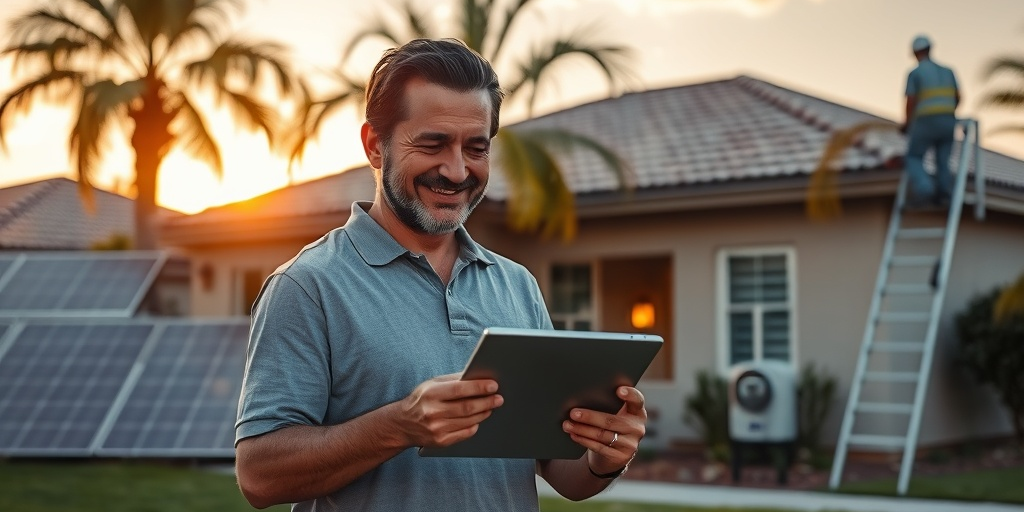
As Floridians, we are no strangers to sunshine, transforming the inexhaustible rays from above into clean, renewable energy. But amidst the allure of solar power, some common misconceptions lurk, especially when it comes to the longevity and performance of solar panels. Did you know that most solar panels are built to last over 25 years? This fact is crucial for homeowners contemplating the switch to solar energy. In fact, according to studies, when maintained properly, solar panels can continue to produce energy efficiently for decades beyond their expected life spans (SEIA.org). In our latest article titled Myth-Buster: The Truth About Solar Panel Lifespan You Didn’t Know, we’ll dive deep into why dispelling myths about solar panel lifespan is essential for maximizing your investment in solar power and achieving energy independence in 2025.
As energy prices continue to escalate, it’s becoming more urgent for Floridians to consider solar energy alternatives to combat rising costs while embracing environmental stewardship. Additionally, new incentives for solar energy are rolling out in 2025, making this the perfect moment to transition to solar. In this blog post, we’ll uncover the truth about solar panel lifespan, address widespread myths, share actionable advice, and equip you to make informed decisions. Here’s what you can expect in the upcoming sections:
- A myth-busting deep dive into Florida’s solar panel realities.
- A practical checklist that walks you through solar panel lifespan considerations.
- Common myths about solar panel lifespan debunked.
- Local insights focusing on Florida’s unique solar landscape.
- Technical expertise on solar panel technologies and maintenance.
Join us in debunking these solar myths, ensuring you are fully informed as you embark on your journey toward sustainable energy ownership.
Myth-Buster: The Surprising Lifespan of Solar Panels
The first thing to consider is that solar panels have a projected lifespan of at least 25 years, but can easily surpass this with proper care and installation. Take the case of the Borges family, residents of Tampa, Florida, who decided to install solar panels on their rooftop five years ago. They were skeptical initially, influenced by rumors that solar panels degrade quickly and become ineffective over time. However, three years in, they discovered that their system produced enough energy to cover their electricity bills nearly completely. Not only did they save substantially, but they also enhanced their home’s value.
- Understanding Warranty Claims: Most reputable solar panel manufacturers offer warranties that guarantee 80% energy production for up to 25 years (Energy.gov). This means many panels only lose about 0.5% efficiency per year at most, contrary to common myths that suggest rapid degradation.
- Highlighting Local Data: In Florida, average solar panel installations yield significant returns, with a notable average savings of $1,000 per year on electric bills after installation (SolarReviews.com). This savings can compound over the years, reflecting the material benefits of investing in solar energy.
- Real Impacts of Extreme Weather: While Florida is prone to hurricanes and unpredictable weather, modern solar panels are designed with durability in mind, able to withstand strong winds and heavy rain. Installing solar panels with appropriate mounting techniques and ensuring correct tilt can mitigate potential weather-related impacts.
In understanding how to maximize solar panel efficiency, there are crucial questions to ask: What maintenance will entail? How much difference does installation quality make? Let’s explore these essential points as we address some common myths about solar panel performance and longevity.
Your Essential Checklist for Solar Panel Longevity
To make informed decisions about solar panel longevity, consider the following checklist:
- Step 1: Research Trusted Manufacturers: Choose suppliers with a solid reputation and positive customer reviews. Their warranties should reflect the trust in their products, paving the path for a reliable installation.
- Step 2: Schedule Regular Maintenance: Just like your car, solar panels require periodic inspections and cleaning. Local Florida experts recommend a professional inspection at least once a year to ensure everything is functioning optimally.
- Step 3: Monitor Performance: Consider products that offer energy monitoring systems. These will help you track performance and find issues early, ensuring your system is up to par. An example of this is SolarEdge, with monitoring software that provides real-time updates and alerts.
- Step 4: Know Your Local Regulations: Familiarize yourself with the local solar regulations and incentives available in Florida. State laws may support your investment and provide tax benefits or rebates to offset installation costs.
- Step 5: Join Community Networks: Engage with local solar communities or forums. Sharing experiences and results can help you make informed choices and optimize your solar technology.
This checklist will help you remain proactive in maintaining your solar system’s efficiency and ensuring you are ready for the energy shifts expected in 2025. If you want deeper insights or personalized assistance, visit floridaelectricandsolar.com.
Debunking the Myths About Solar Technology
Let’s sort fact from fiction. Here are five common myths about solar panel lifespan:
- Myth #1: Solar Panels Only Last 10-15 Years: Contrary to popular belief, most solar panels are designed to last significantly longer, with many warranties extending to 25 years or more, often retaining 80% of their original efficiency even at the end of this period (SEIA.org).
- Myth #2: All Solar Panels Are the Same: In reality, panels vary widely in terms of efficiency, design, and warranty. Investing in high-efficiency panels might mean higher upfront costs, but they could yield greater long-term savings.
- Myth #3: Solar Panels Don’t Work in Hot Weather: While it’s true that extreme temperatures can reduce efficiency, Florida’s abundant sunlight means more energy production over the year, translating to effective energy capture.
- Myth #4: Dust and Dirt Harm Solar Panels: While dirt buildup can reduce efficiency, regular maintenance can mitigate this issue. They can actually improve efficiency during rain events when dust and debris are washed away.
- Myth #5: Solar Technology is Too Expensive: With the introduction of federal and state incentives, financing options and favorable payment plans, solar energy can be accessible for a wider range of homeowners seeking energy independence.
Understanding these myths will not only empower you to make informed decisions, but also encourage others who might be hesitant about investing in solar energy. Now, let’s shift gears and look at the local factors that make solar energy a compelling choice for Florida homeowners.
The Florida Solar Landscape: Unique Opportunities and Insights
Florida’s position as the “Sunshine State” offers unparalleled advantages for solar energy adoption. With an average of over 260 sunny days a year, the opportunities are ripe for harnessing solar power effectively. Here are essential insights into Florida’s solar energy landscape:
- State Incentives: Florida offers various incentives, including the state’s Solar Energy System Tax Exemption, which allows homeowners to benefit from zero sales tax on solar equipment. Additionally, the Federal Investment Tax Credit (ITC) is set to remain at 26% through 2025, helping cover installation costs (DSIREUSA.org).
- Local Solar Programs: Many local utilities offer rebates and net metering programs. For example, Florida Power & Light (FPL) provides incentives for residential solar installations that can significantly affect costs.
- Community Solar Initiatives: With a growing trend in community solar projects, homeowners can buy into shared solar pools. This is particularly useful in dense urban areas where space for individual systems may be at a premium.
- Innovations in Technology: Florida is a leader in adopting innovative technologies, including solar batteries for energy storage. Such advancements allow homeowners to save energy for nighttime use, maximizing solar returns.
Weighing these local opportunities and challenges ensures Florida residents are well-prepared to utilize the immense potential of solar energy effectively. In the final section, we’ll dive into the technical aspects of solar panels and how they can be enhanced for greater productivity.
Technical Deep-Dive into Solar Panel Technology
To maximize the returns on your solar investment, understanding the technicalities behind the solar panel systems is crucial. Here are core elements of solar technology:
- Solar Panels: Types and Efficiency: There are three main types of solar panels: monocrystalline, polycrystalline, and thin-film. While monocrystalline panels generally boast the highest efficiency (around 22-24%), polycrystalline panels are less expensive and still quite effective (15-20%) (Energy.gov).
- Inverters: These devices convert the direct current (DC) from solar panels into alternating current (AC) used by our appliances. Advanced inverter systems also optimize power output and perform vital monitoring functions.
- Energy Storage Systems: Battery systems store excess energy generated during sunny days for nighttime use, further increasing your independence from the grid. Understanding your energy storage needs is key to making informed decisions.
- Billing and Net Metering: With net metering, when your system produces excess energy, it is sent back to the grid, which can reduce your electric bill. It’s important to familiarize yourself with both how local utilities calculate credits and how this may affect your savings.
These technical components can significantly impact the overall functionality and efficiency of your solar installation. Make sure to consult local solar experts to create a tailored plan that meets your unique energy needs and landscape.
Next Steps for Florida Solar Buyers in 2025
As you consider transitioning to solar, take these actionable steps to ensure a smooth process:
- Step 1: Audit Your Electric Bill: Start by reviewing your electric bills from the past year. Understand your energy usage patterns, peak demand times, and monthly costs to better gauge your savings potential with solar.
- Step 2: Research Local Installers: Take time to research and compare local solar installers. Look for certified professionals with solid customer reviews and proven track records. Ask potential installers for references and portfolio examples of past work.
- Step 3: Schedule Assessments: Once you identify candidates, schedule assessments with them to evaluate your home’s suitability for solar. This will give you insight into the type of systems you can install and their projected benefits.
- Step 4: Assess Financing Options: Understanding the different financing options available is crucial. Some homeowners choose to purchase outright, while others opt for leases or power purchase agreements that make solar accessible with no upfront costs.
- Step 5: Confirm Installation Dates and Maintenance Plans: Once you settle on an installer and financing option, finalize your installation dates and inquire about ongoing maintenance packages to keep your system in optimal shape.
Taking these steps ensures you are well-prepared to embark on your solar journey. While the transition to solar energy can seem overwhelming, partnering with trusted experts can streamline the process. For tailored advice, visit floridaelectricandsolar.com for more information on how to get started today!
In conclusion, making the decision to install solar panels can drastically change your financial future and environmental impact. By understanding the true lifespan of solar panels, debunking prevalent myths, utilizing local opportunities, and navigating technical intricacies, you are poised for success. The urgency of switching to clean energy in 2025 is amplified by rising utility costs, climate concerns, and innovative technologies paving the way.
Don’t let misconceptions hold you back from embracing a brighter, solar-powered future. Every ray of sunshine can translate into savings and sustainability. With the right knowledge and support, you can transform your roof into a source of lifelong energy independence.
Ready to start your solar journey in 2025? Connect with a certified expert at floridaelectricandsolar.com today.
Related Articles
More insights about Solar Panel

Florida Homeowners: Why Solar Panel Maintenance Is Essential

7 Essential Steps for Solar Panel Installation Success

Expert Insights: Key Factors Influencing Solar Panel Lifespan
Ready to Go Solar?
Have questions about solar energy? Our experts are here to help you make the switch to clean, renewable energy.