
Myth-Buster: The Truth About Solar Scams You Should Know
Share:
As 2025 approaches, the landscape for solar energy in Florida is rapidly changing—potentially for the better. With rising electricity costs and increasingly unstable grids, the appeal of solar energy is stronger than ever. Did you know that more than 3 million solar panels are installed across the Sunshine State, with over 1 million Floridians taking advantage of the state’s solar programs? Despite the positive developments, confusion abounds due to misinformation, particularly regarding solar scams that can cost consumers dearly. This brings us to our crucial topic today: Myth-Buster: The Truth About Solar Scams You Should Know. Understanding the truth is more vital than ever as the industry evolves and federal incentives multiply. In 2025, solar energy promises not just savings, but a path towards energy independence for Florida homeowners. In this article, we aim to cut through the noise, debunk common myths regarding solar scams, and arm you with actionable insights. Let’s break down what you’re about to learn:
- An emotionally resonant case study that highlights real-world experiences.
- A practical checklist to help you navigate the solar landscape safely.
- Clear myth-busting that dismantles skepticism and misinformation.
- A local focus that integrates Florida-specific statistics and policies.
- A technical deep-dive that enhances your understanding of solar systems.
Understanding the Landscape: A Deep Dive into Solar Myths
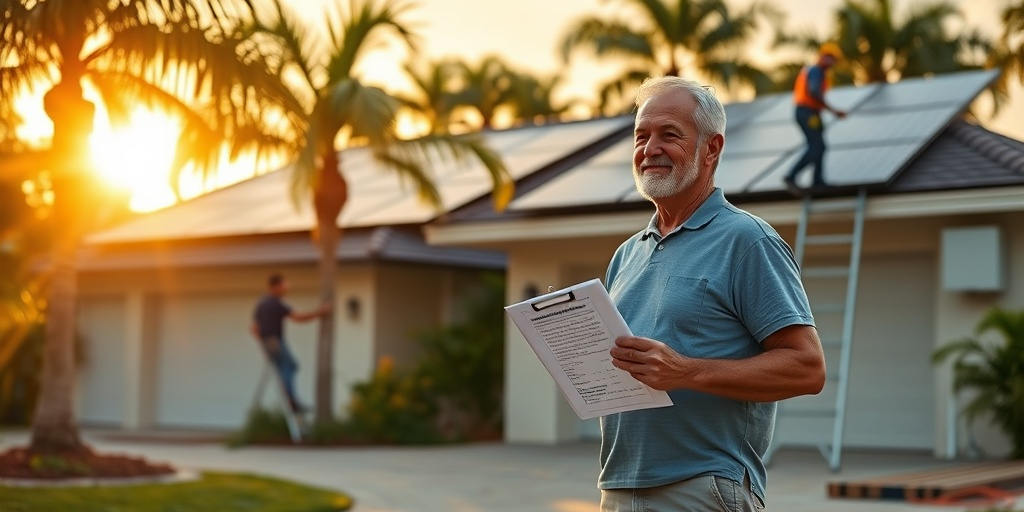
Imagine Bob, a Florida homeowner, who dreamt of slashing his electric bills and contributing to a greener planet. He decided to invest in solar energy, only to be inundated by a flood of misinformation, doubts, and the fear of being scammed. Unfortunately, Bob isn’t alone. Many prospective solar buyers find themselves in similar situations, unsure of whom to trust as dubious offers and flashy advertisements proliferate the market.
Step 1: Assess your solar options. It’s crucial to educate yourself on credible solar companies, and fortunately, the Southeast Energy Efficiency Alliance states that Florida has been ranked in the top 10 states for solar energy implementation, affirming that many trustworthy companies are running effective programs (SEEA.org).
Step 2: Verify the credentials of solar contractors. Checking for licenses and customer reviews can uncover red flags and provide peace of mind. In 2020, 22% of Floridians reported solar company offers that sounded too good to be true (SolarReviews.com).
Myth #1: All solar companies are experiencing scams. The truth is, while some unethical players exist, many legitimate companies are doing their best to serve communities. Before making any decisions, look into local programs and customer testimonials to benchmark your options. Florida has more than 1,500 solar installation companies, many of which adhere to strict licensing and training requirements.
Local Focus: In recent years, Florida has implemented policies that support solar growth, like the Property Assessed Clean Energy (PACE) program, which offers financing options that can benefit homeowners looking to install solar systems—without the fear of scams that some may have. Understanding these local programs is critical for making informed choices.
As homeowners continue to seek energy independence, it’s evident that educating yourself on the truth about solar scams is the first step in making sound decisions for your future.
The Truth Behind Solar Scams and Your Solar Investment
Even in an era of advanced energy solutions, myths and misconceptions can circulate like wildfire. Step 3: Learn to differentiate between myth and reality. Some common myths include “solar energy isn’t worth the investment,” or “once installed, maintenance costs are astronomical.” In fact, maintenance on solar panels is minimal, costing approximately $300 annually, which is dwarfed by the potential savings from reduced electricity bills.
- Myth #2: Solar panels do not work in cloudy weather. Truth? Modern solar panels can operate efficiently even in reduced sunlight. In climates like Florida’s, the efficiency rate hasn’t fallen below 75% on cloudy days, helping homeowners save across the board.
- Myth #3: Solar energy is too expensive. Contrary to this, prices for installations have dropped by approximately 70% in the past decade, making access more achievable for an average homeowner (Energy.gov).
- Myth #4: Leases are always the best financial option. In many cases, outright purchasing your system can yield higher long-term savings; although solar leases might appear attractive initially, they can lead to higher long-term costs.
It’s essential to recognize these myths and pursue factual resources to inform your decisions. Arming yourself with knowledge can safeguard against falling prey to deceptive schemes and lead to a more favorable investment in your home.
Five Essential Tips for Choosing a Reliable Solar Provider
As enticing as solar technology might seem, knowing how to select a reliable provider is equally important. Step 4: Be proactive. Defining your needs and gathering quotes are pivotal first steps. The installation process can vary, and comparing multiple estimates can reveal concerning discrepancies.
When selecting a solar company, consider the following:
- 1. Reviews Matter: Look for customer testimonials and reviews, which can provide invaluable insights into a provider’s reputation and reliability.
- 2. Compare Estimates: Always collect multiple quotes. An estimate that seems too good to be true often is, so a well-rounded comparison can narrow down your choices to credible companies.
- 3. Verify Certifications: Ensure the company holds necessary licenses and certifications to perform installations in Florida. A reputable business will also have clear information regarding warranties.
- 4. Ask About Financing Options: Curate your financial plan alongside your solar goals. Many companies offer financing solutions that fit various budgets, which can ease the burden of upfront costs.
- 5. Investigate Technical Details: Dive into the specifics of what systems are being offered—understanding the technology will empower you to make an informed choice.
By being diligent and researching, you can better navigate the solar landscape and position yourself ahead of potential scams.
Navigating Florida’s Solar Landscape: Real Experiences to Learn From
Consider Amanda, a recent solar customer who made the switch after weighing her options carefully. After collecting three quotes and meticulously looking over customer reviews, she chose a provider with substantial experience and positive feedback. The installation was efficiently handled, and she experienced immediate cost savings. Her story embodies the essence of successfully dodging scams and validates that careful planning pays dividends.
- Consider the following factors when choosing your provider:
- Evaluate customer feedback through platforms like Yelp and Google Reviews.
- Research online forums where homeowners share experiences and warnings about specific companies.
- Understand what warranties are being offered for added peace of mind following installation.
Amanda’s journey reflects the power of informed decision-making. In the past few years, Florida has made strides in promoting solar energy, leading to a steady increase in solar installations. In 2022 alone, Florida saw an increase of 46% in residential solar installations compared to 2021 (NREL.gov).
Your Action Plan for Embracing Solar in 2025
As you get ready to enhance your home’s energy infrastructure, Step 5: follow a concrete action plan that facilitates a smooth transition into solar power. The urgency is palpable as energy costs continue to rise in Florida—take control of your energy future.
- Step 1: Audit Your Electric Utility Bill. Examine your current energy consumption patterns to identify the potential savings solar energy can provide.
- Step 2: Research Local Solar Incentives. Familiarize yourself with available state and federal incentives. Florida has certain exemptions and credit programs designed to benefit solar users.
- Step 3: Explore Home Solar Ratings. Utilize resources like the Florida Solar Energy Center to identify companies with high performance ratings in solar installations.
- Step 4: Schedule an Initial Consultation with Prospective Providers. This is your chance to ask questions, discuss your needs, and gauge the transparency of a business.
- Step 5: Review Contracts Thoroughly before signing. Make sure you’re clear on payment terms, warranties, and post-installation support.
Setting yourself on this path positions you better for the impending renewable energy boom while circumventing potential pitfalls that can accompany solar investments in 2025. If you’re ready to start your journey, consider consulting a certified expert at floridaelectricandsolar.com for tailored guidance.
Conclusion: The Key to Solar Success is Knowledge
In summary, the decision to embrace solar energy can be both exhilarating and daunting, particularly with the proliferation of misinformation surrounding scams. Understanding the truth behind these myths is your first step toward leveraging Florida’s solar potential. The journey taken by those like Bob and Amanda epitomizes the transformation that comes from informed choices.
Remember, knowledge is power; the more informed you are, the less likely you are to be misled. The urgency of transitioning to renewable energy compels every homeowner and commercial property owner to take action now. The time is ripe to consider the significant impact that solar energy can have on your budget, your family’s well-being, and the environment.
Ready to start your solar journey in 2025? Connect with a certified expert at floridaelectricandsolar.com today.
Related Articles
More insights about Solar Scams

Warning: Don’t Overlook These Solar Scams to Avoid

Don’t Miss This Critical Alert About Solar Scams

Don’t Ignore These Critical Solar Scams to Avoid
Ready to Go Solar?
Have questions about solar energy? Our experts are here to help you make the switch to clean, renewable energy.