
Myth-Buster: The Truth About Solar Scams You Shouldn’t Ignore
Share:
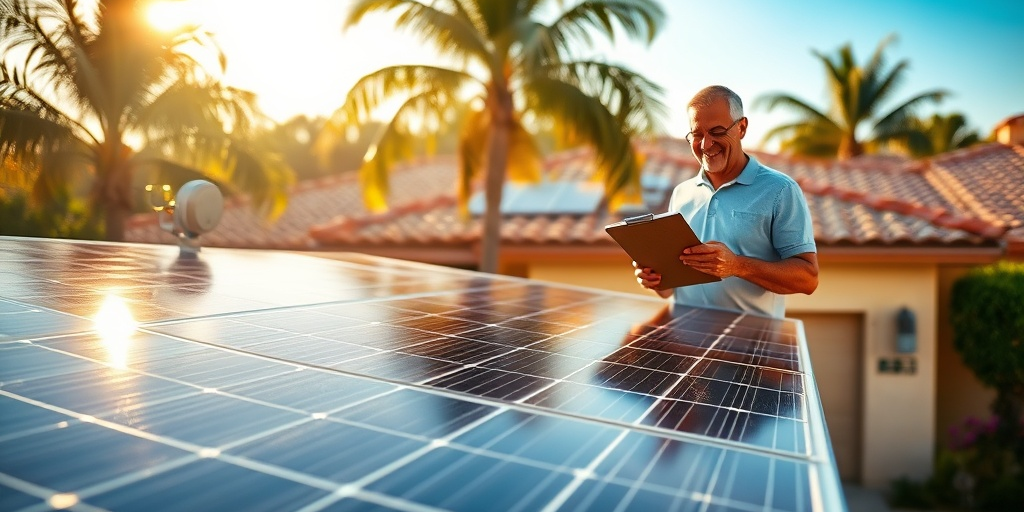
Many homeowners in Florida dream of cutting their electric bills while contributing to a sustainable future. However, amidst this growing enthusiasm for solar energy, there lurks a darker reality—solar scams. Did you know that a staggering 64% of customers would be more encouraged to invest in solar if they felt they could trust their providers? This statistic underscores the urgent necessity for educational resources that dispel the myths surrounding solar scams. In our article titled Myth-Buster: The Truth About Solar Scams You Shouldn’t Ignore, we will delve into the flaws and misleading claims often asserted by unscrupulous solar companies, ensuring Florida homeowners are well-informed and confident in their decision to go solar.
The financial stakes are higher than ever, with electricity prices expected to rise by 25% on average through 2025 (Energy.gov). Shocking as it may be, about 76% of solar customers report being contacted by companies making false claims about solar benefits. If you are considering converting your home or business to solar in 2025, this understanding will be vital to protect your hard-earned investment.
In the sections ahead, we will explore the following five crucial areas:
1. A case study that highlights the potential risks of falling prey to solar scams.
2. A practical checklist with actionable steps to safeguard your investment.
3. Common myths about solar scams, paired with substantial rebuttals supported by data.
4. A look at Florida-specific factors influencing solar adoption and scam incidence.
5. A detailed analysis of solar technologies and regulatory frameworks to demystify the solar landscape for homeowners seeking transparency.
Understanding the Risks: A Case Study in Florida
Meet Lisa and Tom, homeowners from Bradenton, Florida, excited to reduce their electricity bills with solar power. After attending a local solar expo, they were approached by a sales representative who made bold claims about guaranteed savings and endless incentives. Eager to take the plunge, they signed up for a solar installation package that promised them a solar roof by the end of the month. However, less than a week later, Lisa began to receive untrustworthy communication regarding “last-minute fees,” “miscalculations,” and eventually—the installation was delayed indefinitely.
Lisa and Tom’s story is not an isolated incident. They represent the thousands of Florida homeowners who find themselves ensnared by predatory solar companies. According to the Better Business Bureau, solar-related complaints have surged by 92% over just the last year, reflecting a troubling trend. Fortunately, Lisa and Tom were able to seek assistance from credible local resources, helping them escalate their complaints and eventually find a reputable solar provider who restored their faith in sustainable energy (SEIA.org).
To avoid such pitfalls, it’s essential to employ a checklist during your solar journey. Here are some actionable steps to ensure your partnership with a solar provider leads to concrete benefits rather than hidden dangers:
- Research Your Provider: Look for reviews, testimonials, and accreditations from organizations such as the Better Business Bureau.
- Examine the Fine Print: Read through contracts thoroughly, checking for any fees not disclosed upfront.
- Verify Savings Claims: Request documented evidence of savings and service history from previous customers.
- Get Multiple Quotes: Comparing at least three estimates can help you identify which is genuine and trustworthy.
- Seek Third-Party Validation: Contact independent advisories or use organizations like the Solar Energy Industries Association (SEIA) for advice.
By adhering to these steps, homeowners can not only safeguard their investments but also empower themselves with knowledge that is essential in recognizing a bona fide solar provider.
Debunking Common Myths Surrounding Solar Scams
Myth #1: All Solar Providers Are the Same
This misconception leaves homeowners vulnerable to scams. Not all solar companies offer the same quality, service, or reliability. It is vital to do your research and vet companies based on their reputation and service records.
Myth #2: Solar Technology Is Too Expensive
Many believe that upfront costs are unmanageable. In truth, 60% of Florida homeowners have opted for financing options, which allow them to enjoy solar power without the burden of large initial investments while also capitalizing on state and federal incentives (Energy.gov).
Myth #3: Solar Panels Require Constant Maintenance
A common belief is that solar systems need frequent servicing. Contrary to this, most systems have minimal maintenance requirements, focusing primarily on keeping the panels clean and free of debris.
Myth #4: Scammers Only Target New Homeowners
While newcomers are often targets, existing homeowners are frequently misled by aggressive marketing toward system upgrades or unnecessary add-ons. Be wary of pushy sales tactics; true professionals will provide a consultation and let you deliberate.
Myth #5: Once Installed, You’re Left on Your Own
Some assume that post-installation support is non-existent, but reputable companies will provide warranties and ongoing support for system monitoring, maintenance, and issue resolution, ensuring that you can enjoy peace of mind.
Debunking these myths permits Florida homeowners to approach solar with a sense of security rather than skepticism. The more you know, the less likely you are to fall victim to scams.
Florida-Specific Factors Influencing Solar Adoption
Florida boasts a unique landscape when it comes to solar adoption. Over 12% of homes in the state now utilize solar energy in some form. However, reports indicate that residents in certain demographics still experience misunderstanding and confusion regarding incentives, tariffs, and overall benefits, leaving opportunities for scammers to flourish.
- The Net Metering Policy: Florida’s net metering policy allows homeowners to receive credits for excess energy they generate, offering an attractive incentive to go solar. However, numerous misconceptions exist around this policy. Ensure you fully understand how it functions to maximize your savings.
- Incentives and Rebates: Many scammers offer “exclusive” discounts or rebates that are often misrepresented. Valid incentive programs are available through reputable organizations, such as the Florida Solar Energy Center. Educating oneself on these programs can help prevent falling for fraudulent schemes.
- Local Weather Conditions: Florida’s abundant sunshine is a boon for solar energy, yet many assume solar panels won’t perform in adverse weather. Modern solar technology is designed to withstand varying weather conditions, which means your investment is still secure from natural elements.
By understanding the intricacies of Florida’s solar framework, you can bolster your position as a knowledgeable consumer, making it more challenging for dishonest companies to operate unchallenged.
Getting Technical: Solar Technologies Unveiled
When considering solar energy, understanding the equipment being installed is critical. Solar panels essentially fall into two main categories: monocrystalline and polycrystalline. Monocrystalline panels are generally more efficient but come at a premium price. Polycrystalline panels, while less efficient, tend to be cheaper and can be suitable for larger areas.
As homeowners prepare to take the leap towards solar adoption, they should consider the following technological specifications:
- Inverters: An inverter transforms the energy captured by solar panels into usable electricity for your home. Consider whether the system uses string inverters or microinverters, as the latter can offer increased energy production and monitoring capabilities.
- Batteries: Storage technologies allow homeowners to store excess energy generated during the day for later use. This feature can be remarkably beneficial during peak times or in cases of grid outages.
- Monitoring Systems: Managing solar energy conversion requires efficient monitoring to ensure optimal performance. Smart monitoring systems provide real-time analytics about energy use and solar production, an essential tool for evaluating the effectiveness of your system.
Arming yourself with this knowledge helps not only in avoiding scams but also in selecting the right package suited for your unique needs.
Next Steps for Florida Solar Buyers in 2025
The journey to solar energy does not end with the decision to install. Follow these actionable steps to ensure that your experience is smooth, transparent, and financially rewarding:
- Audit Your Electric Bill: Understanding your energy consumption habits is essential before considering any solar options. Review your past bills to determine monthly use and costs.
- Investigate Incentives: Be informed about the federal and state incentives available to you. This knowledge can significantly lower the upfront costs associated with solar installation.
- Consult Multiple Providers: As previously mentioned, gathering estimates from several trusted providers will allow you to make informed comparisons regarding services offered and anticipated savings.
- Review Contracts Carefully: Ensure there are no hidden fees or unexpected clauses before signing on the dotted line. Thoroughly review warranties as well, gauging their reliability.
- Schedule Periodic Maintenance: Once your system is in place, schedule routine maintenances to ensure longevity and optimal performance.
The leaps taken to invest in solar technology can be overwhelming; however, the resources available can effectively guide Florida homeowners toward a secure and beneficial transition.
In conclusion, navigating your solar journey in Florida, especially when considering the prevalent scams, is an empowering task when approached with knowledge and diligence. By educating yourself on the technological, regulatory, and operational facets of solar energy, you can circumvent scammers that threaten the promise of solar adoption. Embracing solar energy is more than just an environmental choice—it’s an investment in your financial future that can yield substantial savings and contribute positively to our planet.
Ready to start your solar journey in 2025? Connect with a certified expert at floridaelectricandsolar.com today.
Related Articles
More insights about Solar Scams

Warning: Don’t Overlook These Solar Scams to Avoid

Don’t Miss This Critical Alert About Solar Scams

Don’t Ignore These Critical Solar Scams to Avoid
Ready to Go Solar?
Have questions about solar energy? Our experts are here to help you make the switch to clean, renewable energy.