
Myth-Buster: Uncovering The Truth About Solar Scams To Avoid
Share:
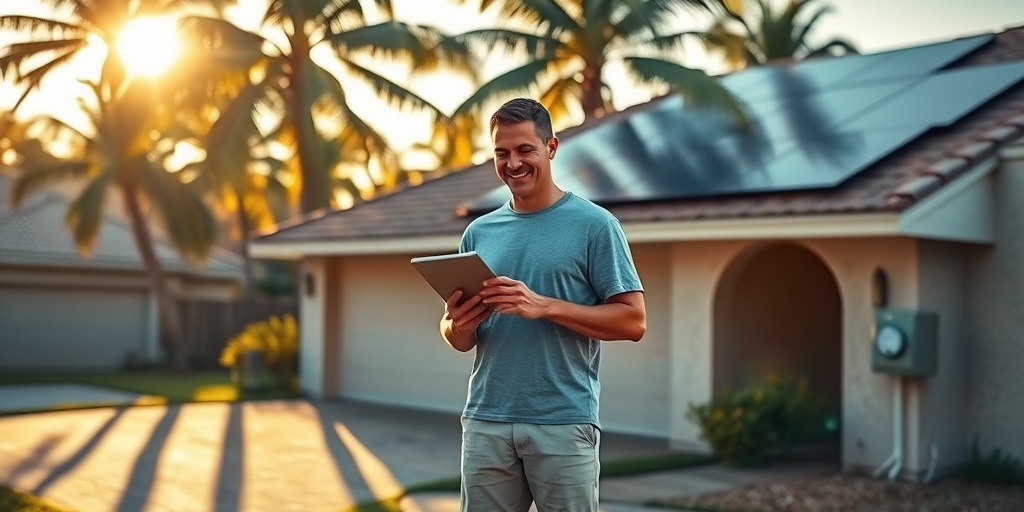
Solar energy has emerged as a transformative force in modern society, especially in sunny states like Florida. Yet, as the demand for solar power increases, so too has the prevalence of misinformation and deceitful practices targeting potential buyers. A staggering 29% of homeowners have reported experiencing some form of solar scam in recent years. In 2025, with projected substantial increases in energy costs and new solar incentives, it has never been more critical to educate oneself about the truth behind solar energy and the scams that can lead to financial losses. In this article titled “Myth-Buster: Uncovering The Truth About Solar Scams To Avoid”, we’ll unveil the common myths surrounding solar, share actionable steps to protect your investments, and help you become an empowered solar consumer. You’ll learn about real-life experiences, important checklists, facts that debunk widespread misconceptions, best practices for engaging with solar companies, and a clear action plan tailored for Florida homeowners.
Did you know that switching to solar energy can reduce your electricity bills by as much as 70%? Or that Florida ranked third in the U.S. for installed solar capacity, boasting about 4,300 MW as of 2023? These facts illustrate the advantages of solar power, yet they underscore the urgent need to navigate the landscape carefully in 2025. With numerous players in the solar market, understanding how to avoid scams and misinformation is paramount. Let’s dive into the first section and uncover some personal accounts that highlight the realities surrounding solar scams.
Shining a Light on Solar Scams: Real Stories and Solutions
Meet Sarah, a Florida homeowner who wanted to reduce her energy bills and do her part to protect the environment by installing solar panels. Initially enthusiastic, Sarah encountered a company that promised sensational savings and free installations but later learned that their deceptive marketing strategies masked hidden fees and inadequate products. After many frustrating months, she finally turned to reputable solar providers like Florida Electric & Solar.
To avoid falling into the same trap as Sarah, here are some essential steps you can take:
- Research Reputable Companies: Ensure you’re dealing with a company with strong reviews and proven performance. Check ratings and testimonials on platforms like SolarReviews.com.
- Understand Contracts: Read through contracts thoroughly and ask questions about anything that seems unclear. Pay attention to hidden fees and warranties.
- Seek Community Recommendations: Ask your neighbors or local homeowner associations about their solar experiences. Word-of-mouth can offer valuable insights.
- Verify Solar Incentives: Florida has robust solar incentives in 2025, but ensure the company you’re considering is transparent about these offers.
- Check Certifications: Ensure the company is certified by the North American Board of Certified Energy Practitioners (NABCEP) or other recognized institutions.
While there are many advantages to solar energy, several myths can deter potential buyers. Let’s tackle a few of the most common misconceptions surrounding solar energy and clarify the facts.
Myth #1: Solar Energy Is Too Expensive
Many homeowners believe solar panels are a luxury that simply won’t fit into their budgets. In reality, the cost of solar has dropped significantly over the last decade, decreasing by 82% (SEIA.org). With financing options, leasing programs, and the potential for hefty tax credits, many Floridians find solar installations are not only affordable but can also generate considerable savings in utility bills.
Myth #2: Solar Panels Require Constant Maintenance
Another prevalent belief is that solar panels require extensive maintenance, making them impractical for busy homeowners. However, solar panels are designed to be low-maintenance, needing only an occasional cleaning and system checkup. In Florida, rain helps keep panels clean, and manufacturers often provide warranties covering their products for 25 years or more (Energy.gov). This myth can discourage potential solar users unnecessarily.
Myth #3: Solar Systems Don’t Work During Blackouts
Many are under the impression that solar systems are completely nonfunctional when the grid goes down. While grid-tied systems do shut down during blackouts for safety reasons, installing a battery storage solution can keep your lights on when you need them most. With more homeowners considering resilience in energy supply, this is an important option to explore.
Myth #4: You Need a Perfect Roof
Another common misconception is that only homes with ideal roof conditions are suitable for solar. Florida homeowners can benefit from various installation techniques, including rooftop mounts, ground mounts, and solar canopies that don’t require perfect angles. Innovative technologies can adapt to various roof conditions, debunking the notion that you need a perfect roof to harness solar power.
Myth #5: Solar Energy Is Only for Eco-Conscious Homeowners
Finally, many believe that only environmentally-minded individuals can benefit from solar energy. On the contrary, economic benefits come with solar, such as property value increases and significantly reduced electricity costs. Florida homeowners can maximize savings while also contributing to a greener environment—a win-win situation.
By dispelling these common myths, we empower ourselves as informed consumers. Now, let’s focus on practical best practices for anyone looking to install solar energy systems in 2025.
5 Best Practices for Choosing a Solar Energy Installer
The decision to go solar is an important one; therefore, it’s crucial to choose the right installer. Here are five practical tips to guide you through the selection process:
- Research Multiple Companies: Don’t settle for the first company you find. Get at least three quotes from various providers to compare prices and offerings.
- Evaluate Experience: Ask about the company’s experience with similar installations. A provider who specializes in Florida’s unique climate and regulations will offer better service than a generic provider.
- Check Reviews and References: Look for customer testimonials, and don’t hesitate to request references from previous installations they’ve completed locally. Real experiences reveal trends in quality.
- Inquire About Warranties: Ensure that the parts and installation come with warranties. A robust warranty indicates the company’s confidence in their products and services.
- Understand Financing Options: Explore various financing options available for solar systems. Pay close attention to the terms and conditions of any loans or leasing agreements to ensure they are reasonable.
By adhering to these practices, Florida homeowners can enjoy a hassle-free solar installation experience while maximizing their benefits. Let’s delve deeper into how solar energy works and explore the latest industry information affecting your decisions.
The Evolution of Solar Energy: New Technologies Changing the Game
As we transition to a more sustainable future, advancements in solar technology significantly impact accessibility and efficiency. Here’s what Florida homeowners need to consider:
- Innovative Photovoltaic (PV) Cells: Recent developments have led to more efficient solar panels that can convert higher percentages of sunlight into energy.
- Battery Storage Solutions: Energy storage technologies like lithium-ion batteries enable homeowners to capture excess solar energy for use during peak hours or outages, making solar systems more reliable.
- Smart Inverters: These devices optimize the performance of solar installations by adjusting output based on real-time energy consumption and production, maximizing overall efficiency.
- Floating Solar Farms: Innovative floating solar installations are being piloted, especially for areas with limited land space, allowing for water bodies to be harnessed for energy production.
- Dynamic Pricing Models: Florida’s utilities are moving toward smart grid technology, further enhancing benefits and sustainably incentivizing solar users.
By adapting and embracing the latest technologies, Florida homeowners can enjoy remarkable savings while contributing to a cleaner environment for generations to come. Now, let’s outline an actionable plan for moving forward with your solar investment.
Next Steps for Florida Solar Buyers in 2025
Understanding the solar landscape can be overwhelming at first, but a straightforward action plan can simplify the process. Here’s how to get started:
- Audit Your Electric Bill: Understand your current electricity costs and how they are structured. This will inform how solar can help you save.
- Assess Your Home’s Solar Potential: Evaluate your roof’s orientation, shading, and space availability. This will help you determine the feasible solar system size.
- Gather Multiple Quotes: Contact several solar companies to get quotes and assess their offerings. This comparison will help you find the best value for your investment.
- Understand Incentives and Financing: Familiarize yourself with federal tax credits, state rebates, and local incentives that may apply to your installation.
- Make Your Decision: Choose a reputable solar provider with transparent pricing and solid customer reviews to guide you through the installation process.
With these steps, you are well-prepared to navigate the solar market and make informed decisions. In conclusion, joining the solar energy revolution in Florida is lucrative and essential for managing rising energy costs and ensuring a sustainable future.
Going solar has never been more relevant. The realities of potential scams and misinformation are daunting; however, it is essential not to let these challenges prevent you from harnessing solar energy’s full potential. By debunking myths, understanding best practices, and following a clear action plan, you can confidently make decisions that benefit your family and the environment.
Ready to start your solar journey in 2025? Connect with a certified expert at floridaelectricandsolar.com today.
Related Articles
More insights about Solar Scams

Warning: Don’t Overlook These Solar Scams to Avoid

Don’t Miss This Critical Alert About Solar Scams

Don’t Ignore These Critical Solar Scams to Avoid
Ready to Go Solar?
Have questions about solar energy? Our experts are here to help you make the switch to clean, renewable energy.