
Myth-Busters: Debunking 5 Solar Scams to Avoid
Share:
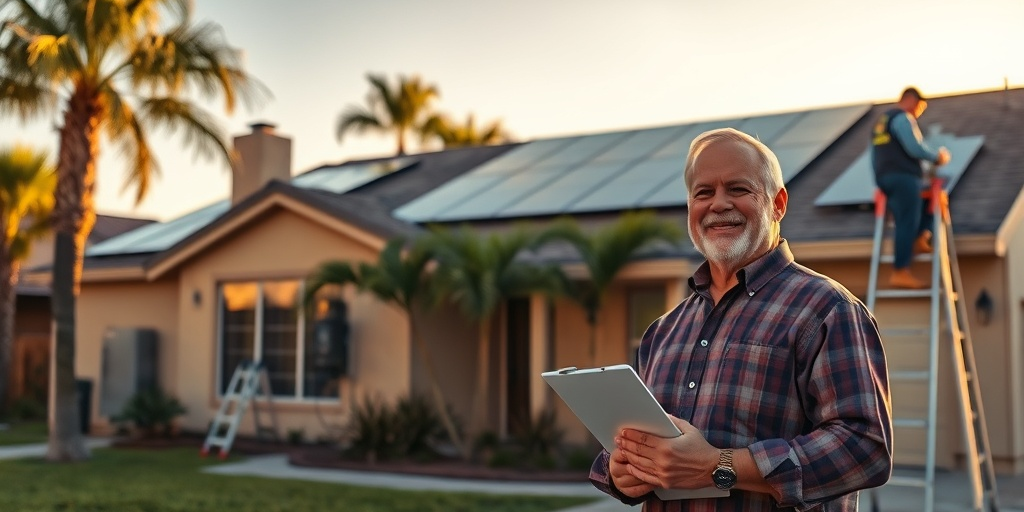
As we step into 2025, solar energy is rapidly becoming a vital component of the energy landscape for Florida homeowners and commercial property owners. Did you know that as of 2024, more than 20% of Florida’s electricity was fueled by solar power, positioning it as one of the leading states in the U.S. for solar installation? (SEIA.org). The journey towards adopting solar energy can often feel overwhelming, especially with so many myths and misunderstandings that can deter potential buyers. This is why we’ve crafted this guide titled “Myth-Busters: Debunking 5 Solar Scams to Avoid.” It’s essential for you to navigate through the noise and understand what you’re really getting when you consider going solar. In this blog, we’ll clarify common misconceptions and provide accurate information to help you make informed energy choices. In an era marked by rising energy costs and new solar incentives, being well-informed is more important than ever.
Understanding the solar landscape in 2025 sets the stage for a transformative year ahead. The number of homes equipped with solar energy systems in Florida is growing—celebrating over a million installations statewide (SolarReviews.com). Unfortunately, misinformation has led to a series of scams that prey on unsuspecting homeowners. These myths not only hinder your ability to harness the sun for energy but may potentially cost you a significant sum in upfront investments. Here, we’ll prioritize your understanding of the most prevalent scams—so you don’t fall into their trap. We’ll explore these five sections:
- Common Solar Scams and the Truth Behind Them
- A Step-by-Step Checklist to Avoid Solar Scams
- Debunking the Myths Surrounding Solar Energy
- What Florida Homeowners Need to Know Right Now
- Your Solar Action Plan for 2025
With that in mind, let’s dive into the first section and equip you with the knowledge to discern truth from myth.
1. Common Solar Scams and the Truth Behind Them
In a sunny state like Florida, it’s easy to see why many homeowners are considering solar power. However, the increase in interest has also attracted a surge of misleading claims and scams that can leave you vulnerable. One relatable case is that of Lisa, a homeowner from Orlando, who was excited to install solar panels on her roof. After receiving a flyer claiming her electricity bill would be reduced by 90%, Lisa took the plunge without doing her research and ended up with low-quality panels and a significant loan commitment. Fortunately, she discovered the truth before her contract became final, but many homeowners may not be so lucky.
To avoid situations like Lisa’s, here’s a checklist of findings from experts you should consider:
- Research the reputation of the company. Start by checking customer reviews on platforms like SolarReviews.com. Look for companies with positive feedback and verified credentials.
- Don’t rush into decisions. Authentic solar providers encourage you to take your time, while scams may pressure you to sign contracts quickly.
- Understand the technology you’re investing in. Panels should last for at least 25 years; understanding warranties and guarantees is crucial before making a purchase.
- Beware of unrealistic promises. If a solar company boasts about reducing your bill by an outrageous percentage, it’s a red flag. Reliable solar energy systems typically yield savings but not miracles.
- Be cautious of “free solar” offers. There’s usually a catch lurking behind these enticing offers; always read the fine print.
Here are some common myths regarding solar energy that many fall for, especially in Florida:
- Myth #1: Solar panels are unaffordable and cost-prohibitive.
- Myth #2: Solar panels won’t generate enough energy in cloudy weather.
- Myth #3: I can’t install solar because my HOA prohibits it.
These misconceptions can lead to poor decision-making, as many homeowners remain oblivious to the financial incentives and benefits that solar energy can provide. Take, for instance, that Florida homeowners can qualify for a federal tax credit of up to 30% of the total cost of installation, making the investment much more feasible (SEIA.org).
It’s crucial to take a closer look at the claims made by solar companies to avoid being misled. With the average savings from solar power reaching hundreds of dollars yearly, it is worth investing time in understanding this renewable energy source. Now, let’s move on to the savvy steps you can take to remain vigilant against these scams.
2. A Step-by-Step Checklist to Avoid Solar Scams
Protect your investments by following this expert-approved checklist for Florida homeowners looking to go solar. As solar technology advances, precautionary measures become more vital in ensuring you make a safe and informed choice. Here is a structured step-by-step guide:
- Step 1: Verify company credentials. Always begin by checking the credibility of the solar provider. Look for their licensing status and read reviews on platforms like SolarReviews.com. A good company will have a portfolio of successful installations.
- Step 2: Seek multiple quotes. Don’t settle for the first quote you receive. Request estimates from at least three reputable solar companies to compare offerings and financial structures.
- Step 3: Ask about warranties. Reliable solar panels should come with robust warranties. Ensure you understand the duration and coverage of the warranty before making your purchase.
- Step 4: Review financing options. Understand all financing methods available to you, including solar loans, leases, or Power Purchase Agreements (PPAs). Each option comes with different implications for your financial situation.
- Step 5: Get everything in writing. Reliable companies will provide detailed contracts outlining costs, terms of service, and expected performance. Never agree to verbal contracts or handshake deals.
To assist in making an informed decision, take the time to visit floridaelectricandsolar.com, where you can find more detailed resources about choosing reputable solar companies in Florida.
By implementing these steps, you will effectively shield yourself from scams that seek to capitalize on the enthusiasm surrounding solar power. Now let’s jump into the myth-busting segment, where we will expose and deconstruct common fallacies regarding solar energy that are designed to trick consumers.
3. Debunking the Myths Surrounding Solar Energy
The myths about solar energy can be vast and damaging to potential investors. Let’s break down five of the most common misconceptions that people often believe to be true.
- Myth #1: Solar panels are only effective in sunny regions. While it’s true that solar panels benefit from sunlight, they can generate electricity even on cloudy days. Statistics show that solar panels generate about 25% of their optimal output on cloudy days (Energy.gov).
- Myth #2: Solar power won’t work for my home because of my roof’s position. The orientation and pitch of your roof play roles, but as experts indicate, ground-mounted systems are also an option if your roof isn’t ideal for solar panel installation.
- Myth #3: I would be unable to sell my home if it has solar panels. In fact, homes with solar systems typically sell faster and at higher prices than those without; many homebuyers are willing to pay a premium for homes equipped with solar energy. (SolarReviews.com)
- Myth #4: Solar panels require too much maintenance. Solar panels are surprisingly low maintenance. Most require only basic cleaning once or twice a year and have no moving parts, making upkeep minimal.
- Myth #5: You can’t generate solar energy at night. While true that solar panels only produce energy during sunlight hours, energy storage solutions like batteries allow you to utilize solar power even after the sun sets. This is an innovation many homeowners in Florida are adopting.
As you navigate the world of solar installations, remember that misinformation can be just as detrimental as the scams themselves. Legitimate solar providers will provide clarity, demonstrating how each segment of their systems operates to maximize efficiency. The right provider will guide you through utilizing these benefits effectively for your long-term financial advantage.
Ultimately, the understanding of solar energy will empower you and other Florida homeowners to take control of your electricity bills and energy efficiency. Next, we will explore what every Florida homeowner must be aware of now that ties into state policies and initiatives fostering a thriving solar market.
4. What Florida Homeowners Need to Know Right Now
Florida is not just a sunny place; it’s a solar powerhouse ripe for harnessing renewable energy sources. The state government has implemented numerous incentives that significantly reduce the cost and promote solar investments. Let’s break down what you as a homeowner need to keep in mind as you consider making the leap into solar energy.
Here are four essential points to consider:
- State Tax Exemptions: Florida homeowners benefit from property tax exemptions for solar energy systems. This means that the added value of your solar installation will not increase your property tax obligations.
- Federal Investment Tax Credit: The 30% federal tax credit on solar energy installations allows residential systems to provide robust returns on investments (SEIA.org). This offer is set to taper off in the coming years, so acting sooner rather than later is crucial.
- Net Metering Policies: Florida allows for net metering, meaning you can receive credits on your electricity bill for any surplus power generated by your solar panels that is fed back into the grid.
- Local Rebates and Incentives: Some counties and municipalities in Florida have additional programs that support the adoption of solar energy. It’s essential to conduct research and take advantage of these local offerings.
With these insights, Florida homeowners stand at the forefront of renewable energy adaptation. However, the availability of incentives can vary, and understanding your energy consumption habits will help you assess the most efficient solar solution. One aspect to keep in mind is that while the upfront costs may seem daunting, the long-term savings and incentives work symbiotically to ensure the investment pays itself off in several years.
Next, let’s delve deeper into crafting a structured action plan that will guide you through each step of transitioning to solar energy in 2025.
5. Your Solar Action Plan for 2025
As a Florida homeowner, planning your solar journey for 2025 requires careful preparation. By creating a structured and actionable plan, you will ensure that you don’t miss any crucial steps on your path toward solar energy independence. Here’s a roadmap of next steps you should consider:
- Step 1: Audit Your Electric Bill. Review your utility bills from the past year to understand your average monthly consumption patterns and costs. This will help you size your system appropriately based on actual data.
- Step 2: Evaluate Your Property. Assess which parts of your property receive maximum sunlight exposure throughout the day and which areas may not be suitable for installation.
- Step 3: Research Local Providers. Identify and contact reputable solar installation companies, consult reviews, and gather quotes to compare options effectively.
- Step 4: Understand Financing Options. Investigate different financing plans such as leases, loans, or PPAs. Engage with your chosen provider to explore which option aligns best with your financial situation.
- Step 5: Keep Yourself Informed. Engage with local solar groups or online forums where you can gather information, ask questions, and share experiences with fellow solar advocates.
By systematically following your action plan, you’ll be poised to make informed decisions that optimize your investment. Solar power presents unique benefits, especially in a place like Florida, where the sun is abundant. Moreover, as technologies progress, solar energy becomes more efficient and accessible to everyone—especially on sites like floridaelectricandsolar.com, where additional resources are available to aid your solar journey.
As we conclude this extensive guide, let’s recap the key insights gathered through your solar education journey.
Conclusion
Through the exploration of the “Myth-Busters: Debunking 5 Solar Scams to Avoid,” it’s clear that understanding the intricacies of solar energy is crucial for Florida homeowners like you. From exposing common myths to outlining essential steps for making informed energy choices, the strides you can take today will help you secure financial freedom tomorrow. The myths have been debunked, scams put to rest, and knowledge shared, fostering clarity that will empower you to maximize your solar savings.
Moreover, the importance of acting promptly cannot be overstated; the tax credits and incentives available this year may be time-sensitive, changing how you view your electric bills moving forward. If you are ready to start your solar journey in 2025, whether reducing your dependence on utility power or maximizing savings potential, don’t hesitate to connect with a certified expert at floridaelectricandsolar.com today. Fortify your home’s energy future with solar—an investment that provides not only savings but also peace of mind for years to come.
Related Articles
More insights about Solar Scams

Warning: Don’t Overlook These Solar Scams to Avoid

Don’t Miss This Critical Alert About Solar Scams

Don’t Ignore These Critical Solar Scams to Avoid
Ready to Go Solar?
Have questions about solar energy? Our experts are here to help you make the switch to clean, renewable energy.