
Myth-Busting Common Misconceptions About Solar Panel Lifespan
Share:
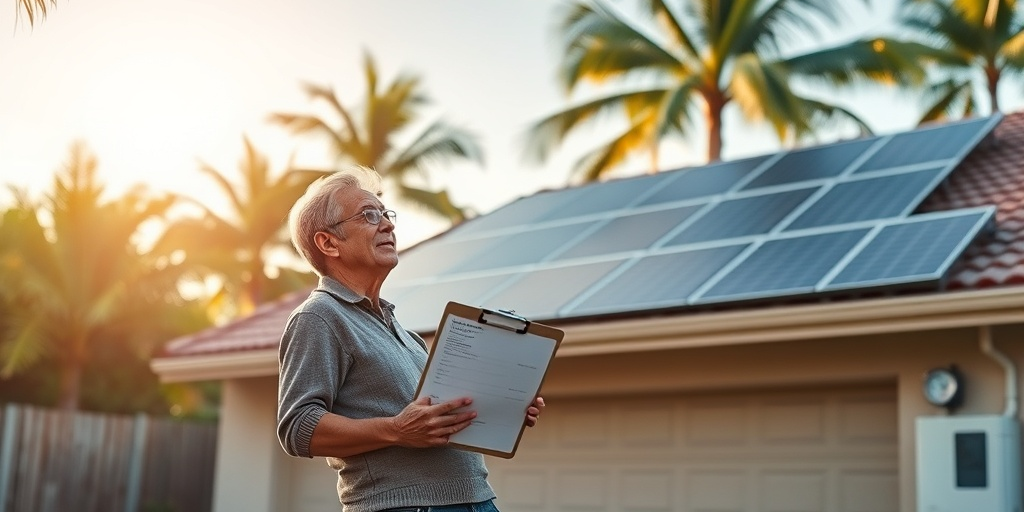
Have you ever heard that solar panels only last a few years? Or perhaps you’ve been told that they can’t withstand the blistering Florida sun? It’s time to put these misconceptions to rest. In fact, the truth about solar panel lifespan is far more optimistic. In “Myth-Busting Common Misconceptions About Solar Panel Lifespan,” we will explore the real facts versus fiction surrounding solar technology. Did you know 80% of homeowners believe solar panels are costly, when in reality, they can significantly reduce your energy bills? Additionally, studies show that solar panels generally have a lifespan of 25 to 30 years with proper maintenance (Energy.gov). The urgency for exploring solar solutions is escalating in 2025 due to rising energy costs and increased state incentives for installation. This article is designed to help you protect your solar investment and future savings by debunking five common myths about solar panel lifespan. We’ll begin with a compelling story about a Floridian homeowner who embraced solar power, followed by practical checklists, evidence-based rebuttals to misconceptions, technical insights, and next steps for going solar confidently.
Unveiling the Truth: Success Story of a Florida Homeowner
Meet Lisa, a retired schoolteacher living in Sarasota, Florida. Last year, she decided to invest in solar energy after learning about the energy savings and environmental benefits. Initially hesitant, she was bombarded with concerns about how long her solar panels would last. Would they withstand the harsh Florida weather? Would they become obsolete? Lisa sought answers, connecting with a reputable local solar company that could provide clarity.
During her initial consultation, she learned that, contrary to popular belief, solar panels are engineered for longevity. The average solar panel has a lifespan exceeding 25 years, with many manufacturers offering warranties up to 25 years as a testament to their durability (NREL.gov). This made Lisa feel more assured about her investment. The solar installation company explained thoroughly how modern panels can function optimally under Florida’s specific climate conditions, such as humidity and heavy rainfall. Through extensive research, Lisa also found that Florida is among the top five states in the U.S. for solar capacity, as the state continues to implement progressive policies aiming for increased solar energy adoption (SEIA.org).
Fast forward to today, and Lisa is enjoying significant energy savings on her electric bill while contributing to a sustainable future. Her panels have performed remarkably over the past year, shattering all the myths she once held regarding their lifespan. Lisa’s story is one among many, but it is imperative for all homeowners to understand how these misconceptions can prevent them from making informed decisions about their energy consumption and finances.
As we delve deeper, we will highlight key checklist steps that every homeowner should consider before going solar, debunk common myths with hard-hitting facts, provide a localized focus on Florida’s solar landscape, and finally, present a technical deep-dive into components of solar systems. Let’s get started!
Step-by-Step Checklist to Maximize Your Solar Investment
Buying solar should be an empowering experience, and understanding the key criteria can significantly influence your investment. Here’s a concise checklist to guide Florida homeowners toward making informed choices:
- Step 1: Assess Your Roof Condition — Ensure your roof is in good condition with enough surface area for solar installation. If necessary, consider repairing or replacing your roof before installation.
- Step 2: Research Financing Options — Explore available solar financing options like loans, leases, and Power Purchase Agreements (PPAs). Florida has programs that can assist homeowners financially, making the transition smoother.
- Step 3: Verify Installer Credentials — Select a reputable solar installer with accreditation from the North American Board of Certified Energy Practitioners (NABCEP) and positive reviews from previous clients.
- Step 4: Consider Battery Storage — Investing in a battery storage system can maximize your solar energy utilization, ensuring you harness the power even when the sun isn’t shining.
- Step 5: Learn About Incentives — Florida offers various incentives for homeowners going solar, including solar tax credits and rebates. Familiarize yourself with current policies to maximize benefits (DSIREUSA.org).
Equipped with this checklist, homeowners can confidently approach the solar market. However, even with the best preparation, myths persist. Let’s tackle the next set of common misconceptions about solar panel lifespan.
Myth-Busting the Misconceptions About Solar Lifespan
Solar panels often come with a collection of assumptions that can mislead potential buyers. Here are five persistent myths debunked:
- Myth #1: Solar Panels Only Last 10 Years — This is a common myth that underplays the robustness of solar technology. In reality, most modern solar panels last about 25 years, and many manufacturers back their products with warranties to affirm this longevity (Energy.gov).
- Myth #2: They Can’t Endure Harsh Weather — Many believe that hurricanes or heavy rains are detrimental to solar technology. On the contrary, solar panels are built to withstand high winds and extreme weather conditions, crucial for Florida residents living in storm-prone areas.
- Myth #3: Once Installed, They Require Constant Maintenance — While solar panels do require some maintenance, it’s minimal. Annual inspections and occasional cleaning are typically enough to keep them operating efficiently.
- Myth #4: Solar Technology Becomes Obsolete Quickly — Some skeptics claim solar technology has a short lifecycle regarding relevancy. However, advancements in solar technology continue to enhance efficiency, allowing solar panels to be effective for decades without major upgrades.
- Myth #5: Higher Price Equals Better Quality — While price may reflect some quality, it doesn’t guarantee it. Homeowners should look for certified installers and brands rather than automatically defaulting to higher-priced options.
The widespread spread of these myths can prevent homeowners from exploring solar options, ultimately affecting their energy independence and financial freedom. Now that we’ve dismantled these misunderstandings, let’s focus on Florida-specific data relevant for this region in terms of solar energy implementation.
Florida-Specific Solar Insights and Incentives
Florida is often dubbed the Sunshine State for good reason. With ample sunlight, the potential for solar energy is vast, yet many still hesitate to harness it due to prevalent myths. Here’s a closer look at the state’s unique solar landscape
- Strong Growth Rate: Florida ranks as the third-largest state for solar energy capacity in the U.S., with over 8,500 megawatts installed, allowing homeowners to benefit from extensive solar resources (SEIA.org).
- Favorable Policies: Recent legislation fosters solar energy adoption. The Solar Energy System Incentives Program provides financial assistance for solar installations.
- Net Metering Benefits: Florida laws support net metering policies, meaning homeowners receive credits on their energy bills for excess electricity generated and fed back into the grid.
- Community Solar Programs: Certain areas offer community solar options for those who are unable to install panels on their properties, giving more residents access to solar benefits.
These incentives not only reduce initial costs for solar installations but also encourage long-term sustainability. By understanding how Florida’s solar landscape operates, homeowners can better position themselves within this expanding market. With that in mind, let’s conduct a technical deep-dive into solar energy systems that go beyond mere panel performance.
Understanding the Technical Aspects of Solar Energy Systems
When considering solar, understanding the components of the systems can help homeowners make educated decisions. Here’s a breakdown of essential parts of a solar energy system:
- Solar Panels: The core of any solar system, photovoltaic (PV) panels convert sunlight into electricity. Typically made from silicon, these panels convert 15%-20% of the sun’s energy into power.
- Inverters: Convert the DC electricity from panels into AC electricity, which is usable in homes. Microinverters allow each panel to operate independently, optimizing performance even in partially shaded situations.
- Battery Storage: Batteries hold excess energy produced during sunny days for nighttime use, maximizing utility savings. Lithium-ion batteries are now the most popular choice, though larger systems might consider other options.
- Mounting Systems: These are essential for securing the panels to your roof or on the ground. Proper installation is key to ensuring longevity and performance.
- Monitoring Systems: These allow homeowners to track performance, energy savings, and system health via mobile apps or web portals, ensuring that investment remains fruitful.
Understanding how these components function together helps demystify the solar energy process and empowers homeowners to make informed decisions. As we move towards the final section, we’ll outline actionable steps for Florida homeowners eager to join the solar revolution in 2025.
Next Steps for Florida Solar Buyers in 2025
As 2025 approaches, making the move towards solar energy needs to be straightforward and accessible. Here’s a checklist to facilitate your transition:
- Step 1: Audit Your Electric Bill — Review your recent bills to understand usage patterns. Identifying peak months for consumption can help estimate potential savings with solar.
- Step 2: Engage a Certified Solar Consultant — Connect with an expert at floridaelectricandsolar.com to assess your home and determine the viability of a solar system tailored to your needs.
- Step 3: Explore Financial Incentives — Research and apply for relevant solar funding or if you will qualify for tax credits prior to installation.
- Step 4: Schedule Site Assessment and Installation — Once financing is sorted, schedule a site assessment. This will involve evaluating roof conditions and positioning options for solar installation.
- Step 5: Monitor System Performance — Post-installation, regularly check your system performance and savings. Engage with support if any issues arise to maintain optimal energy efficiency.
With these steps, Florida homeowners can take significant strides toward energy independence and financial savings through solar energy. The journey from exploring options to installation may seem daunting, but with proper guidance, the benefits will be monumental.
In recap, as we explored the truth behind solar panel longevity, we found that myths can cloud judgment and deter Floridian homeowners from embracing solar technology. Understanding proper maintenance, the durability of modern solar panels, and Florida’s attractive incentives can pave the way to a sustainable future. By embarking on this journey, you not only secure your energy independence but also contribute to a greener planet for future generations.
Ready to start your solar journey in 2025? Connect with a certified expert at floridaelectricandsolar.com today.
Related Articles
More insights about Solar Panel

Florida Homeowners: Why Solar Panel Maintenance Is Essential

7 Essential Steps for Solar Panel Installation Success

Expert Insights: Key Factors Influencing Solar Panel Lifespan
Ready to Go Solar?
Have questions about solar energy? Our experts are here to help you make the switch to clean, renewable energy.