
Myth-Busting Misconceptions About Solar Scams to Avoid
Share:
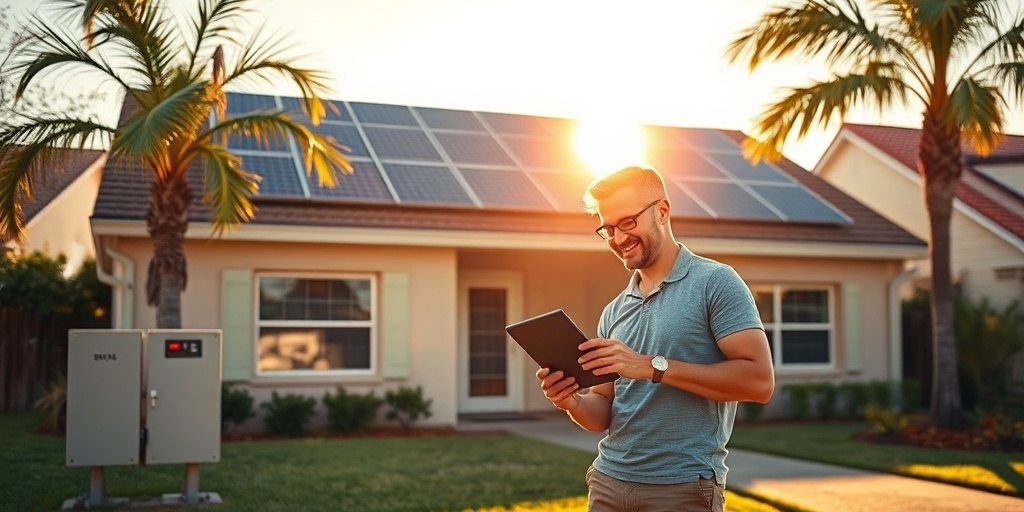
When considering solar energy, many potential adopters fall prey to a host of misleading myths and misconceptions, often stemming from a few unfortunate experiences. As evidenced by a report stating that nearly 70% of homeowners have concerns about solar scams, the landscape is fraught with fear and uncertainty (SolarReviews.com). In “Myth-Busting Misconceptions About Solar Scams to Avoid,” it’s our goal to illuminate the truth behind common solar myths, providing you the knowledge needed to make an informed decision about your solar investment. With the energy crisis escalating and Florida experiencing a surge in utility costs—recently hitting an all-time high of $0.14 per kWh (Energy.gov)—it’s imperative to navigate these waters carefully as we approach 2025, a year poised for major developments in solar incentives and technology. In this article, we will delve into five major sections that will arm you with the understanding to successfully transition to solar: a detailed case study of a typical Florida homeowner’s journey, a comprehensive checklist for evaluating solar companies, a myth-busting segment tackling common misconceptions, best practices unique to Florida’s landscape, and a strategic action plan for transitioning your property to solar energy.
Understanding the Reality: A Case Study of Solar Success
Meet John and Lisa Robinson, homeowners in Orlando who were skeptical about switching to solar energy. Initially, they had been misled by a few notorious myths, notably that solar panels don’t work in Florida due to extreme weather or that they are too expensive to maintain. After extensive research and due diligence, they learned to differentiate between fact and fiction in the solar industry.
Step 1: They began by attending local solar workshops to better understand the technology, policies, and financial implications of going solar. John discovered that Florida ranks among the top states for solar production, generating over 3,580 megawatt-hours of energy in 2022 alone (SEIA.org). He realized the sunshine in Florida actually served as a powerful renewable resource, eliminating the myth that panels stop working during hurricanes.
- Step 2: The couple created a checklist comparing local solar companies, leading them to research customer reviews and testimonials, confirming that reputable installers like Florida Electric & Solar had an impressive track record of happy customers.
- Step 3: They noted the numerous state incentives available, including the Florida Property Tax Exemption for renewable energy systems, which helped them visualize a feasible investment without the burden of excessive extra costs.
- Step 4: Furthermore, they learned about net metering laws in Florida, allowing them to receive credit on their bills for energy produced by their solar panels, pleasantly surprised that their return on investment (ROI) could be realized in just a few short years.
- Step 5: Finally, the Robinsons signed a contract with a qualified solar installer and implemented the system that suits their energy needs while providing financial advantages such as lower electricity bills.
Ultimately, after transitioning to solar power, John and Lisa found themselves saving approximately $1,800 annually on energy costs. Their journey reflects the truths hidden beneath misconceptions. It’s critical for homeowners seeking solar energy in Florida to evaluate credible information and trusted sources to avoid unnecessary pitfalls.
As you reflect on the Robinsons’ story, it’s essential to recognize some of the widespread beliefs plaguing potential solar customers. Let’s take a closer look at these myths that can cloud judgment and ultimately dissuade homeowners from reaping the benefits of solar energy.
Common Misconceptions: Myth-Busting Solar Scams
Many homeowners dismiss solar technology due to myths surrounding its cost, efficiency, and reliability. In this section, we’ll debunk five prevalent misconceptions, equipping you with the savvy needed to avoid falling victim to unsubstantiated claims.
- Myth #1: Solar is Too Expensive
Many people believe that investing in solar panels is prohibitively expensive. However, in reality, the cost of solar panel systems has decreased dramatically, with prices dropping by over 70% in the last decade (SEIA.org). Moreover, state incentives, such as the federal investment tax credit (ITC) offering up to 26% off the installation cost, make going solar more affordable than ever. - Myth #2: Solar Panels Don’t Work in Florida’s Climate
Contrary to this belief, Florida is often regarded as the Sunshine State for a reason. Solar panels are designed to work efficiently in various weather conditions, including high temperatures, and they can generate electricity even on cloudy days. Data suggests that Florida has over 264 sunny days a year, making it a prime location for solar energy (Energy.gov). - Myth #3: Solar Energy Isn’t Reliable
Some homeowners are concerned that solar energy isn’t dependable. However, modern systems include battery storage options which store more energy, ensuring power availability even during storms or power outages. According to the National Renewable Energy Laboratory, solar power contributes to a more resilient energy grid (NREL.gov). - Myth #4: Solar Panels Require Constant Maintenance
There’s a misconception that solar panels require extensive maintenance. On the contrary, most panels only require regular cleaning and an occasional inspection. In fact, many manufacturers provide comprehensive warranties lasting 25 years or more (SolarReviews.com). - Myth #5: Only Large Homes Can Afford Solar
Many are surprised to learn that solar power isn’t just for expansive residential properties. Smaller homes and even commercial buildings can harness solar energy through various financing options that allow for tailored systems over time. This inclusivity is further emphasized by statistics revealing that even 40% of Florida’s solar adopters belong to households with annual incomes below $75,000 (SEIA.org).
By confronting these misconceptions and embracing the truth, homeowners can confidently navigate the world of solar energy, sidestepping potential scams and ill-informed decisions. As we move forward, understanding sound practices for solar installations is critical, especially for those in Florida.
Best Practices: 5 Expert Solar Installation Tips for 2025
Installations should be approached with careful consideration to maximize benefits and minimize hassles. To that end, here are five crucial tips that potential solar customers should heed when proceeding with solar energy installations in Florida:
- 1. Research Local Companies
Examine various local solar providers by checking their licenses, certifications, and customer reviews. Make use of platforms like floridaelectricandsolar.com to find reputable installers with proven track records. Look for those offering transparent pricing and customer service support. - 2. Understand the Technology
Get familiar with different system components, including solar panels, inverters, and battery storage solutions. Knowing which technologies suit your needs will empower your decision-making process. - 3. Audit Your Energy Needs
Before installation, analyze your electricity bills and consumption patterns. This will allow you to identify the most appropriate size and type of system needed to meet your energy demands efficiently. - 4. Invest in Quality Components
While cheaper options might be enticing, consider investing in high-quality solar panels and inverters with solid warranties. This can significantly improve system durability and efficiency, ensuring longevity for your investment. - 5. Keep an Eye on Incentives
Stay informed about incentives available in Florida. These may include rebates, tax credits, and financing options—helping to lower the financial burden that may accompany solar installations.
Taking these practical steps will ensure every aspect of your solar energy journey is as smooth as possible. With the right knowledge, you can approach your solar transition confidently, ultimately leading to significant savings over time.
Exploring Solar Adoption Through a Homeowner’s Journey
Imagine Jane Thompson, a recently retired school teacher in Tarpon Springs. With energy bills consistently increasing and concerns about climate change looming large, Jane decided it was time to embrace solar energy. In her journey, Jane considered a range of factors that ultimately led her to adopt solar power and make significant changes to her daily life.
As she began her search, she stumbled upon the plethora of financial incentives available in Florida, including the federal solar tax credit and multiple state rebate programs, thus recognizing this was the right moment to invest. With expert guidance, Jane installed a solar panel system that suited both her home and budget, generating a projected savings of over $1,500 annually.
After a few months post-installation, the benefits were unmistakable. Her home’s energy bills plummeted, and the sense of contributing to a greener environment felt rewarding. Furthermore, she had shifted her reliance on fossil fuels to a renewable energy source, reducing her carbon footprint significantly.
By actively seeking to understand all the information available, Jane was able to dodge misinformation surrounding solar myths, resulting in a well-informed and satisfying decision. Her journey highlights key aspects that potential solar customers need to track:
- Know your local incentives and leverage them effectively.
- Choose a team of reputable professionals who prioritize transparency.
- Continuous education on solar technology allows for informed decisions.
- Evaluate energy consumption carefully for optimal system sizing.
To conclude Jane’s story, transitioning to solar energy can be transformative, not only for one’s finances but also for the planet. Preparing for your own journey could yield similarly rewarding experiences, resonating with the essence of Florida’s commitment to cleaner energy.
Next Steps for Florida Solar Buyers in 2025
By now, it’s clear that moving forward with a solar installation requires diligence, education, and ultimately, an actionable plan. Below is a straightforward checklist that outlines the essential steps you can take to begin your solar journey effectively.
- Step 1: Audit Your Electric Bill
Take a close look at your recent energy bills to assess historical usage. This will help you estimate the solar capacity required for your needs. - Step 2: Allocate a Budget
Determine a reasonable budget for your solar investment, accounting for rebates and incentives available within Florida that might minimize upfront costs. - Step 3: Research and Contact Local Solar Companies
Begin researching Florida-based solar installation firms. Prepare a list of questions focused on their credentials, warranties, and customer service history to shortlist the most promising candidates. - Step 4: Schedule Consultations and Quotes
Set up consultations with different solar companies to obtain quotes. Ensure each proposal is detailed and includes information about system capabilities and efficiency. - Step 5: Make an Informed Decision and Proceed with Installation
Once you have all the relevant information and options, choose the solar provider that best aligns with your needs for installation. Don’t rush this decision; it’s a crucial step in ensuring your solar investment pays off.
With all these methodical steps under your belt, embark on your solar adventure confidently. As you grasp the implications of solar production in Florida, the advantages become overwhelmingly clear; it is a pathway toward sustainable living and utility stability. For tailored recommendations and trustworthy resources to start your solar energy journey, visit floridaelectricandsolar.com.
In conclusion, the journey to embracing solar energy holds significant promise for homeowners across Florida. By dispelling myths, understanding the technological realities of solar, and effectively evaluating your options, you stand to save money while contributing to a more sustainable future. As demonstrated through the stories of those who have successfully adopted solar technology, empowering yourself with accurate information is vital. It’s often a common concern of initial skepticism that holds many back. Still, the rewards waiting on the other side—such as reduced energy bills and a greener planet—are too compelling to overlook.
Ready to start your solar journey in 2025? Connect with a certified expert at floridaelectricandsolar.com today.
Related Articles
More insights about Solar Scams

Warning: Don’t Overlook These Solar Scams to Avoid

Don’t Miss This Critical Alert About Solar Scams

Don’t Ignore These Critical Solar Scams to Avoid
Ready to Go Solar?
Have questions about solar energy? Our experts are here to help you make the switch to clean, renewable energy.