
Myth: You Can’t Achieve Energy Independence with Solar Panel Installation
Share:
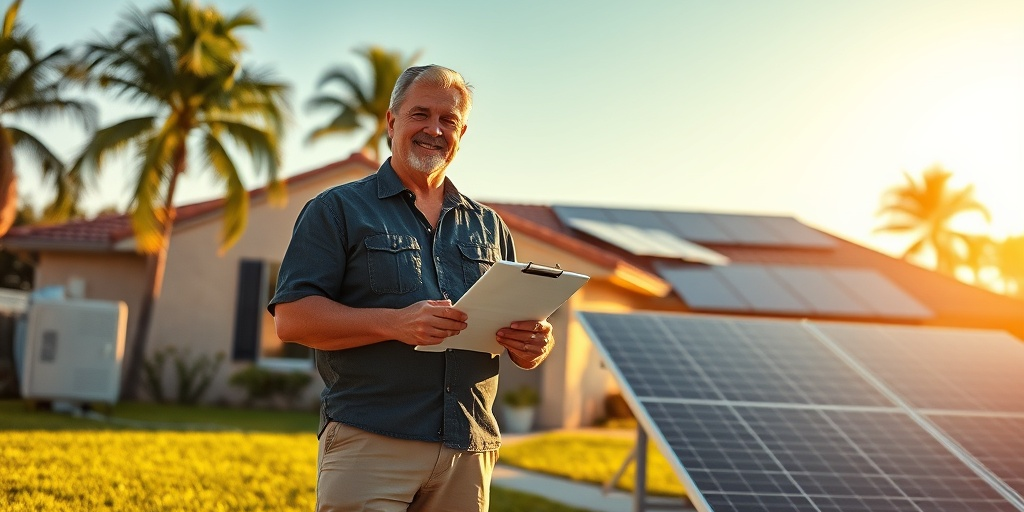
In the sunny state of Florida, where the sun blazes for about 237 days a year, the idea of achieving energy independence with solar power is more relevant than ever. Yet, many homeowners and businesses still cling to the myth: “You can’t achieve energy independence with solar panel installation.” This myth is not just a misconception; it’s a barrier preventing countless Floridians from experiencing the true benefits of solar energy. In fact, studies show that over 70% of Florida residents are unaware of the financial and environmental incentives available for solar adoption. The reality is, solar energy has the power to free you from spiraling electric bills and reliance on the grid, especially as energy costs in Florida are projected to rise by as much as 30% in the next five years (Energy.gov). As we step into 2025, with new solar incentives and an increasing push toward renewable energy, understanding the truth behind this myth is crucial for homeowners and commercial property owners alike. In this blog titled “Myth: You Can’t Achieve Energy Independence with Solar Panel Installation,” we will dispel this myth and equip you with knowledge and strategies that can empower your energy future.
Throughout this article, we will examine five critical aspects of energy independence through solar power:
1. A compelling case study that demonstrates real-life success,
2. A thorough checklist to help guide your solar journey,
3. A myth-busting section designed to challenge common misconceptions,
4. Florida-specific data that illustrates the opportunity landscape, and
5. A technical deep dive into how solar power systems work.
Armed with this information, you will be better prepared to embrace solar energy and enjoy the myriad benefits it offers.
Achieving Energy Independence: A Florida Case Study
Imagine you’re Angela, a homeowner in Tampa, Florida. Angela had been paying ever-increasing electric bills, often exceeding $300 each month for her modest four-bedroom home. Frustrated with a seemingly endless cycle of utility bills and fuel costs, she began exploring ways to become more energy efficient. A neighbor introduced her to the option of solar panel installations, suggesting that it could dramatically reduce her reliance on the local utility provider and help her achieve energy independence.
Intrigued, Angela reached out to Florida Electric & Solar, where a certified expert conducted a personalized energy audit. The data revealed Angela could save approximately $200 a month after installing solar panels and a battery storage system. The expert shared that Florida homeowners can receive up to 26% federal tax credits on solar installations scheduled through 2025 (SEIA.org), making it a financially prudent decision.
After factoring in local incentives, the cost of installation was quickly outweighed by the long-term savings. Skeptical yet hopeful, Angela made the leap, becoming part of a growing community of residents who defied the common misconception that solar panel installations are merely an expense.
In just 18 months since installation, Angela not only eliminated her electric bills but also gained substantial control over her energy use. On particularly sunny days, she produced more energy than she consumed, allowing her to sell excess energy back to the grid, turning her home into a mini energy producer—a phenomenon known as net metering. Angela’s journey shows how embracing solar can not only cut electric bills but also provide a pathway to energy independence.
- Action Step 1: Audit your home’s current energy usage using an expert assessment or software tools.
- Action Step 2: Research available federal, state, and local financial incentives tailored for Florida homeowners.
- Action Step 3: Talk to local solar installation companies about personalized solutions.
As Angela’s story demonstrates, the reality of solar energy is that it can lead to substantial savings and energy freedom for both homeowners and businesses. Ready to embark on your own journey to independence? But first, let’s debunk some of the myths surrounding solar panel installations.
Debunking Common Myths About Solar Energy
Despite the clear benefits, misconceptions about solar energy continue to propagate. Below, we tackle five pervasive myths that can deter potential solar adopters from making informed decisions.
Myth #1: Solar Panels Are Too Expensive
While the upfront costs of solar panel installations can initially seem daunting, the financial landscape has shifted significantly. With state and federal tax incentives, the average cost of residential solar installations has decreased by more than 70% over the past decade (Energy.gov). Additionally, financing options such as solar loans and leases allow homeowners to pay for their systems incrementally, making solar energy more accessible than ever.
Myth #2: Solar Panels Don’t Work in Cloudy Weather
This myth stems from a misunderstanding of how solar panels operate. While it’s true that solar production does decline on cloudy days, solar panels can still function effectively. In fact, they can harness diffuse sunlight, allowing for electricity generation even when the sky is overcast or raining. Florida’s abundant sunshine means that solar panels can remain effective, producing energy consistently throughout the year (NREL.gov).
Myth #3: You Need to Be Off the Grid to Benefit from Solar
Another common misconception is that solar energy is only for off-grid living. The truth is that solar power is highly beneficial for those connected to the grid, especially through net metering programs that allow homeowners to sell excess power back to their utility companies. This not only supports the homeowner financially but also contributes to a greener local energy supply.
Myth #4: Installing Solar Panels Will Decrease My Home Value
Many people worry that investing in solar panels will lower their home’s resale value; however, studies have shown that homes equipped with solar energy systems sell for about 4% more than similar homes without them (SolarReviews.com). Buyers are increasingly looking for homes with energy efficiency and sustainability features, making solar an attractive selling point.
Myth #5: Solar Panel Maintenance is a Hassle
In contrast to the belief that solar panel systems require immense upkeep, most systems are relatively low maintenance. Regular cleaning and occasional inspections are usually all that’s necessary to ensure optimal performance. Furthermore, many manufacturers provide warranties that cover maintenance for several years, further reducing concerns regarding upkeep.
With these myths dispelled, it’s clear that solar energy presents a wealth of opportunities for residents in Florida. Yet understanding how to leverage these opportunities is essential. Here are some best practices to consider.
5 Expert Solar Installation Tips for 2025
As you prepare to jump into the world of solar energy, adopting best practices for installation can ensure that your journey is smooth and beneficial. Here are five tips suggested by experts in the field:
1. Don’t Skimp on Solar Panel Placement
Optimal solar panel positioning is crucial to maximizing energy production. Make sure to assess your roof’s orientation and shading to find the best panels placement for the greatest sun exposure throughout the day and year.
2. Choose Quality Over Price
While it can be tempting to select the cheapest panels available, investing in high-quality products will yield better efficiency and longevity. Look for panels with reputable warranties and certifications.
3. Consider Storage Solutions
Pairing solar panels with battery storage systems can significantly enhance your energy independence. This allows you to store excess energy produced during daytime for later use, reducing your reliance on the grid.
4. Conduct Thorough Research
Before selecting an installation company, research customer reviews, credentials, and local expertise. Choosing an experienced company can ensure a smoother installation process and better post-installation support.
5. Check for Local Incentives and Regulations
Solar incentives vary by location, so familiarize yourself with available rebates, tax credits, and installation standards in Florida. Such knowledge can not only save you money but also enhance the efficiency of your solar adoption process.
For more information on financing options and local incentives, visit floridaelectricandsolar.com.
Your Solar Journey: A Homeowner’s Experience
Consider the journey of John, a business owner from Orlando. After years of running a simple but costly coffee shop, John sought to offset his energy expenses through renewable sources. He understood that the electricity bill for his café could directly impact his profits, and every dollar counts in a competitive market. With a keen interest in sustainability and energy savings, he decided to explore solar energy despite the myths clouding his mind.
After consulting with Florida Electric & Solar, John learned about various financing options available for commercial properties. He discovered that not only could he install solar panels with little to no upfront cost through a power purchase agreement (PPA), but he’d also be eligible for additional tax deductions for his business expenses and equipment installation (DSIREUSA.org).
- Cost Reduction: By generating electricity onsite, John reduced his business energy expenses by over 50% in the first year.
- Increased Foot Traffic: His commitment to green energy attracted eco-conscious customers, boosting sales and visibility.
- Long-Term Savings: With the energy produced from his solar installation, John’s investment paid off in less than three years.
In John’s experience, the commitment to solar power not only saved him money but enhanced customer engagement and positioned his café as an environmentally responsible business. It showcased how solar energy is invaluable for both homeowners and businesses, allowing individuals to take control of their financial future.
Next Steps for Florida Solar Buyers in 2025
Now that you’ve learned about the reality of solar energy independence, it’s time to take action. Here’s how you can start your solar journey:
Step 1: Audit Your Electric Bill
Begin by analyzing your electric bill to understand your typical usage. Track your costs over several months to identify peak usage periods and how much you’re currently spending.
Step 2: Research Local Installation Companies
Look for reputable solar installation companies in your area. Review online ratings and testimonials to ensure you are choosing an experienced provider that understands local regulations.
Step 3: Explore Financing Options
Investigate various financing methods such as solar loans, leases, or PPAs. Evaluate how each option fits your budget and energy needs.
Step 4: Identify Incentives
Look into tax credits, rebates, and local initiatives available for solar installations in Florida. These incentives can significantly reduce your overall costs and improve your return on investment.
Step 5: Go Solar!
Once you’ve completed your research and secured your financing, proceed with the installation process. Schedule a consultation with your chosen provider to design a system tailored to your energy needs and goals.
Feel confident in your journey toward energy independence and feel free to connect with a certified expert at floridaelectricandsolar.com for additional guidance.
In conclusion, the journey to energy independence through solar power is not only attainable but vital for Florida homeowners and commercial property owners. By debunking the myth that you can’t achieve energy independence with solar panel installation, we open the door to a sustainable future fueled by renewable energy. With the right planning, informed decision-making, and a commitment to change, you can take control of your energy future. Don’t let myths hold you back—embrace the solar revolution and secure a sustainable, energy-efficient home for your family or business. It’s time to take the leap toward a brighter, more independent energy future.
Ready to start your solar journey in 2025? Connect with a certified expert at floridaelectricandsolar.com today.
Related Articles
More insights about Solar Panel

Florida Homeowners: Why Solar Panel Maintenance Is Essential

7 Essential Steps for Solar Panel Installation Success

Expert Insights: Key Factors Influencing Solar Panel Lifespan
Ready to Go Solar?
Have questions about solar energy? Our experts are here to help you make the switch to clean, renewable energy.